
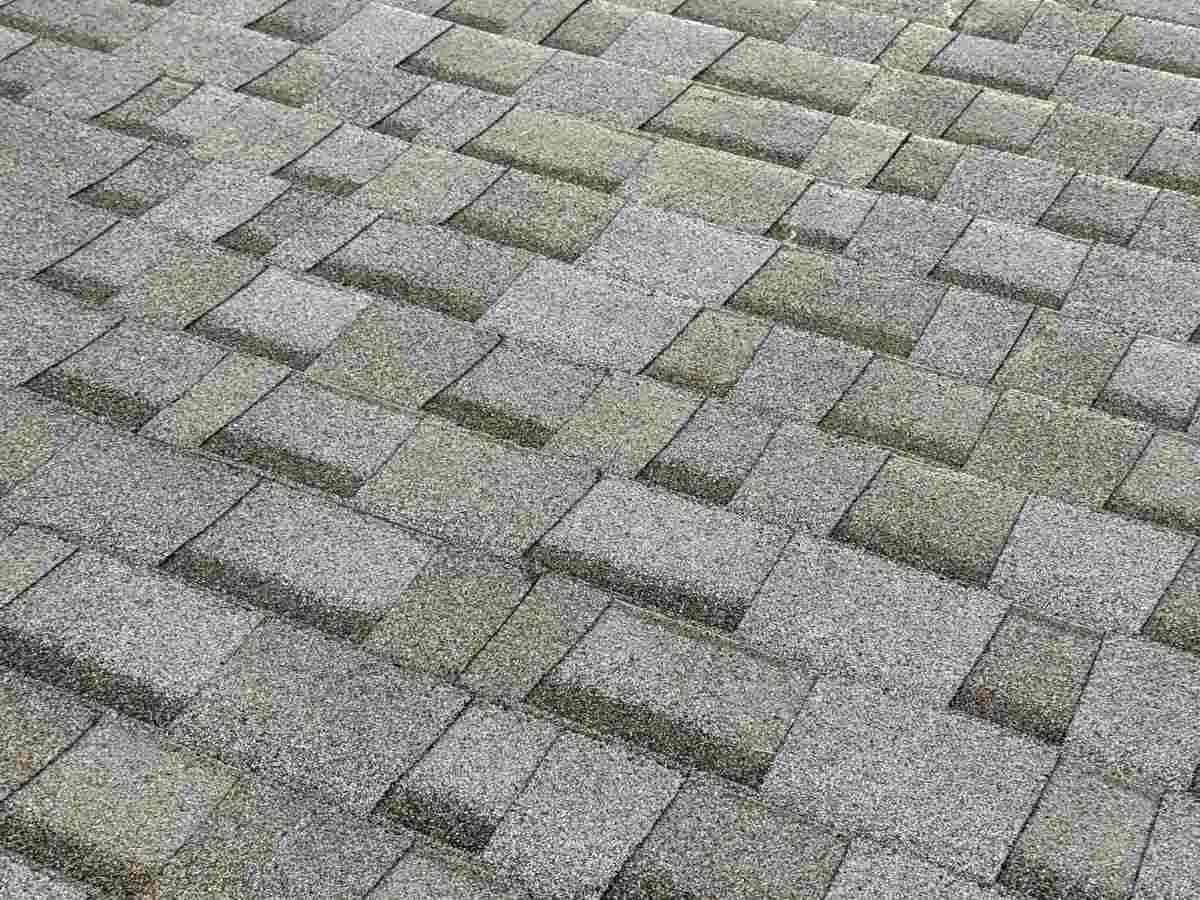
A roof inspection in Bell Gardens usually starts with one simple question about the roof. Maybe a stain showed up on a ceiling, or a sale is moving forward. We look at the roof, then explain what we found in plain words.
Our team works across the Los Angeles area, and Bell Gardens sits in Los Angeles County. Call (323) 508-2486 to talk about the roof and the access at your property. We ask a few questions first, so the visit fits the building and the people inside.
Common reasons for a Bell Gardens roof inspection
Owners ask before a purchase, when an insurer requests it, after a suspected leak, or during maintenance planning.
A sale is a common reason, since buyers and sellers both want the roof condition in writing. An insurer may also ask for an inspection before a policy moves ahead. Maintenance planning brings a third kind of call, often from a commercial property.
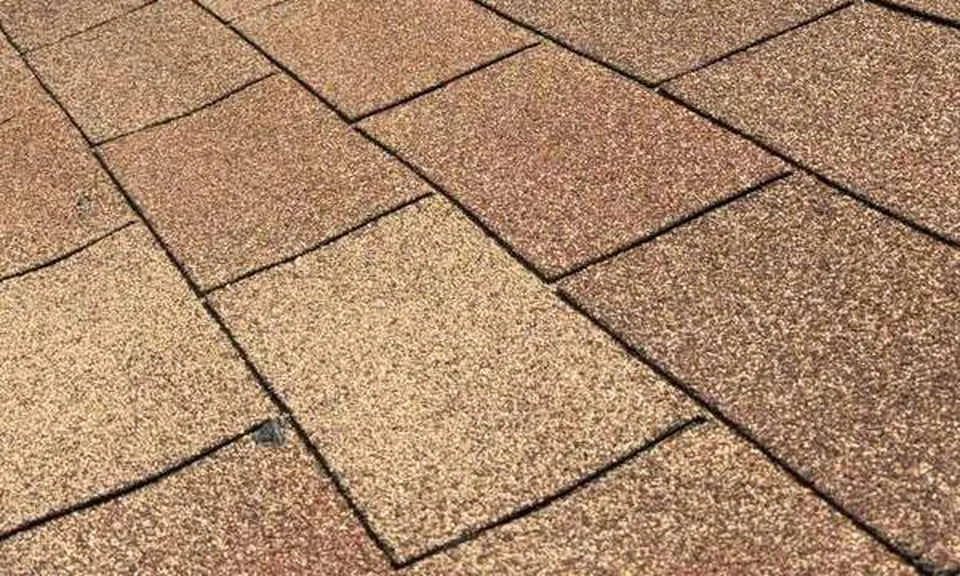
Some owners call without a clear problem, simply because the roof has gone unchecked for a while. A walk-through can catch worn flashing or lifted shingles before water finds a way inside the building. Early attention to a worn area often prevents a larger repair later.
When a building holds several units under one roof, an inspection touches more than one household. The roof is shared, so a single finding can affect several homes at once. We plan the visit so the people inside know what to expect that day.
Tile roofs raise a different question, and it usually concerns the underlayment beneath the tile. Owners want to know whether that hidden layer still does its job. We can look at it during the visit and explain what we see.
Access on an occupied property
Access shapes the visit, so we ask about entry, tenants, parking, and the safest way onto the roof.
Most inspections happen while people live or work inside the building. We ask who will be home, and which entrances we can use that day. A quick call ahead of time prevents most surprises on site.
Most of the work happens outside, so we rarely need to enter every unit. People inside will hear footsteps on the roof and a ladder against the wall. Knowing that in advance keeps the day calmer for residents and staff.
A few details tell us how to plan the visit and where to set up.
For a house or a small multi-unit property, our residential roof inspection page covers the visit in detail. Steep slopes and wet surfaces can limit safe footing on any roof. We say so plainly when part of a roof cannot be walked.
- Gate access, side yards and any areas that stay locked
- Parking near the building, plus room to set a ladder safely
- Interior access, if a stain or drip needs a look from inside
- Tenant notice, when the owner does not live at the property
- Attic or crawl space access, where the layout allows it
Inspection options for homes and commercial buildings
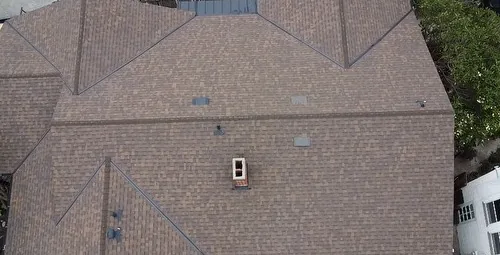
We inspect homes, multi-unit buildings and commercial roofs, from a single leak check to a full condition review.
A leak check starts with the problem you can see, then works back toward the source. Water often travels from a flashing joint or a valley before it shows up inside. Our roof leak inspection service explains how we follow that path.
Commercial roofs bring other questions, often tied to maintenance planning across a whole property. Our commercial roof inspection page explains how we handle larger and low-slope roofs. Managers often want written findings they can keep on file.
Buyers and sellers usually need something in writing before a sale closes. A maintenance check is different, because nothing is wrong yet and the goal is planning. Once you describe the situation, we shape the roof visit around that purpose.
A condition review covers the roof surface and the transitions where different materials meet. We note what is worn, what is damaged, and what still has service left in it. That picture helps you weigh a repair now against a longer plan for the property.
| Situation | What usually fits |
|---|---|
| Home purchase or sale | Residential inspection with written findings |
| Suspected leak | Leak investigation that traces the water path |
| Commercial maintenance planning | Commercial inspection with a condition review |
| Insurer asked for an inspection | Condition inspection only, with no claim handling |
| Questions about tile | Inspection focused on the tile and the underlayment |
Bell Gardens city limits and local permits
Bell Gardens is an incorporated city in Los Angeles County, and it has its own building and safety office.
That matters because permit steps are set by the city where the property sits. We work within the rules that apply at the address, not somewhere nearby. For a roof in Bell Gardens, that means the city building and safety office.
If you need findings you can hand to someone else, our roof inspection reports page explains that option. Some owners simply want the findings written down for their own records. Others only need us to walk the roof and talk it through.
ZIP 90201 and the city line
We serve addresses in ZIP 90201 that sit inside the Bell Gardens city limits.
A ZIP area and a city boundary do not always line up on a map. So the part of ZIP 90201 that falls inside the city is what counts here. Send us the address if you want that confirmed before you book a visit.
Permits and the city building office
City permits cover construction, alteration, repair and improvement of buildings and structures, which can include roofing work.
The Bell Gardens building and safety office is where those requirements come from. We help owners with the permit paperwork the city asks for on roofing work. The city makes the final call on permits, so approval and scheduling are not ours to promise.
What we can do is explain clearly what the inspection found on your roof. That makes the next step easier to plan, whether it is a repair or a permit.
What you get, and how to book
We go over what we found, then explain whether an estimate or a written report fits your situation.
After the visit, we describe the roof condition in plain language instead of trade jargon. You will hear what looks sound, what needs watching, and what needs work. Questions are welcome while we are still at the property.
A free estimate covers pricing on roofing work you might hire us to handle. We charge for a thorough inspection and for a written report of the condition. We make that clear before anything gets scheduled, so there are no surprises.
Tell us early if you want written findings, because that shapes how we plan the visit. If a conversation at the property is enough, tell us that instead and we will keep it simple.
Repair or replacement can follow an inspection when the roof turns out to need it. Our license is CSLB #1112525, and the state board keeps that record open to the public. Call (323) 508-2486 or use our contact page to set a time.
Bell Gardens is one of the cities we cover in Los Angeles County. You will find the other cities we inspect on our service areas page.
- Send the address and describe the roof concern in your own words.
- Tell us about access, tenants and the days that work for you.
- We inspect the roof and go over the findings with you.
- You decide whether you need an estimate, a written report, or repair work.
Bell Gardens roof inspection questions
Does an insurer-required roof inspection mean you handle my insurance claim?
No, those are two different things. We inspect the roof and report the condition we see. You and your insurer handle the claim itself, and we take no part in that.
Can you check the underlayment under my tile roof?
Underlayment sits beneath the tile, so much of it stays hidden from view. Tiles can be lifted when underlayment is replaced, and sound tiles are often reused. We tell you what we could and could not see.
Who should be at the property during the inspection?
Someone who can open gates and locked areas should be there. An owner or property manager helps, because questions come up while we work. A tenant only needs enough notice to expect us.
Do you look at flashing and roof decking?
Yes, both are part of the review. Water often gets in at walls, chimneys and valleys, and flashing seals those transitions. Decking sits under the covering, so we check it where access allows.