
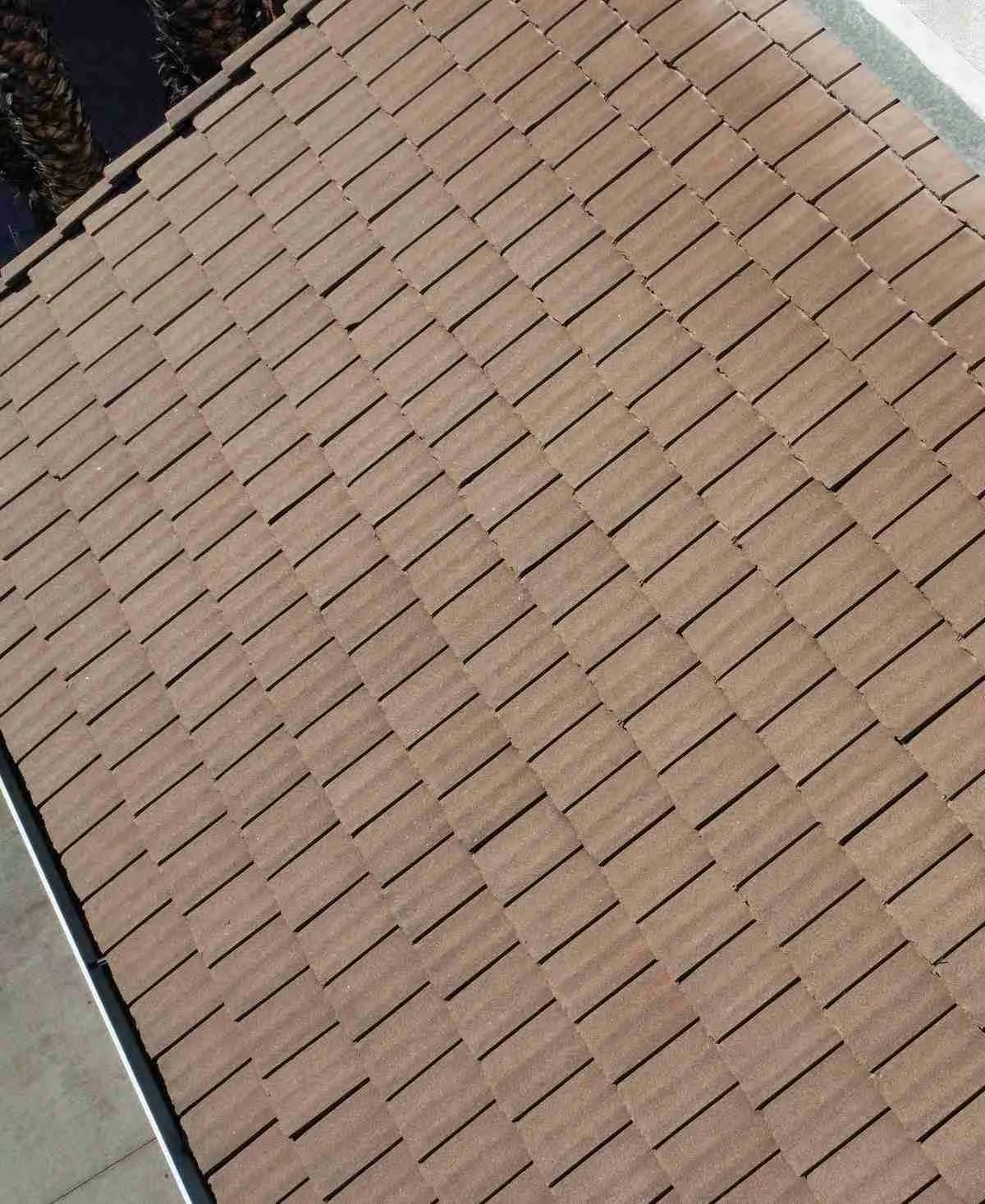
A cedar roof is covered with wood shakes or shingles, and every piece weathers at its own pace. Sunlight, wind, and rain change how the wood looks and how well it sheds water. This page describes what a cedar roof shows on the surface and what the wood hides below.
We are LA Roof Inspectors, and we inspect roofs on homes and commercial buildings across Los Angeles. Here we stay with plain facts about wood roofing and what a closer look can add.
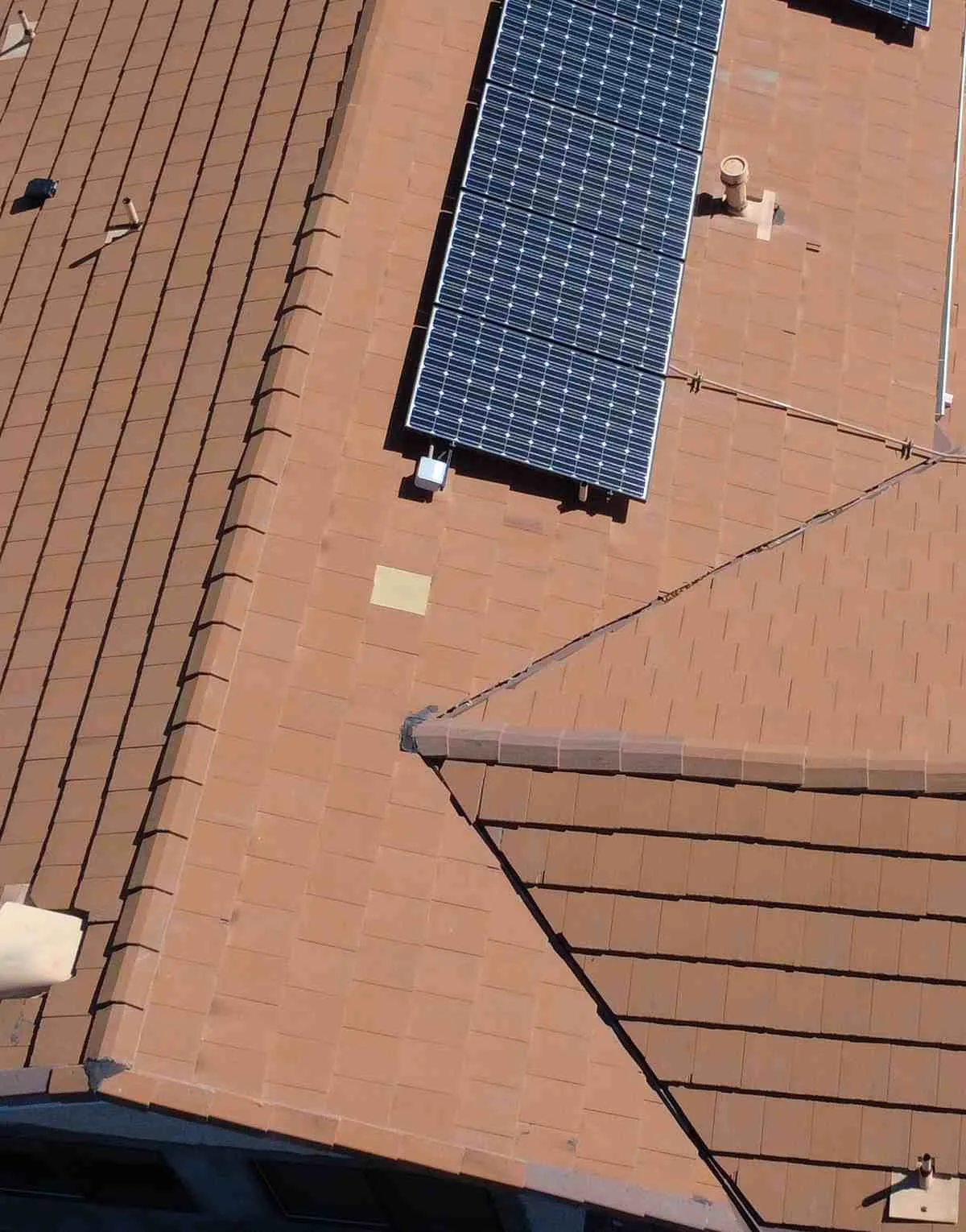
Cedar roofing context
A cedar roof is made of many small wood pieces, and no two wear the same way.
Shakes are split from wood, so the surface looks thick, rough, and uneven across the roof. Shingles are sawn instead, so they lie flatter and form a more even pattern on the roof. Both are laid in overlapping rows, with small gaps that let the wood dry between rains.
Wood soaks up water during storms and then dries out slowly in the sun. Over the years, that movement can cup, curl, or split single shakes and shingles. Shaded slopes hold damp air, which gives moss a steady place to settle and spread across the roof.
Wood roofs around Los Angeles
Wood roofs show up across the Westside, and their wear varies from house to house.
Older wood roofs appear on residential blocks across the Westside, one property at a time. Some of these roofs sit in West Los Angeles, within the 90025 postal area. Others stand in Palms, an area covered by the 90034 postal code.
Mar Vista and the surrounding 90066 area complete this part of the city. We mean the portions of these areas that sit inside the Los Angeles city limits. A postal code can cross a neighborhood boundary, so the street address always guides us.
Visible condition concepts
Most cedar roof clues appear in the wood itself, the fasteners, and the metal flashing.
A close look begins with the open field of the roof, inspected row by row. Cupped or curled pieces stand up at the edges, where wind can lift them during storms. Split or thinning wood allows water to reach the layers underneath the cedar covering.
Metal flashing seals the roof at wall transitions, chimneys, and the valleys between roof slopes. These joints move with the building, and they often show wear before the open field does. Underlayment and decking sit below the wood, so both remain hidden during a surface review.
A view from the ground can flag some of these problems, but never all of them. You can read more about the roof inspections we handle across Los Angeles on our main page.
- Cupping, curling, or splitting in single pieces
- Gaps, thin spots, or missing shakes and shingles
- Moss or packed debris in shaded areas
- Loose or rusted nails along the fastener line
- Worn metal at walls, chimneys, and valleys

Limits of remote assessment
Photographs and map views leave out the roof details that often matter the most.
A photograph is a natural first look at what a cedar roof needs next. A picture can show color, moss, and maybe a broken piece near the edge. It cannot show how the wood is fastened or what condition the underlayment is in.
Aerial and street images age quickly, and they rarely capture small gaps between pieces. Shade, glare, and tree cover can hide entire sections of a wood roof from above. A close look at the roof plane fills in the detail that distant images usually miss.
That is why we begin with the roof itself, rather than a photograph on a screen. You can reach our team to ask what a closer look at your cedar roof covers.
Questions about an existing cedar roof
If you own a cedar roof and have questions, an inspection answers more than a photograph.
Owners ask about wood roofs for many reasons, and most of those reasons are practical. A sale is coming, a stain appears on a ceiling, or a building needs a maintenance plan. Each of those situations starts with the same step: seeing the roof up close.
Roofing work in the city also runs through permits, and we help owners with that step. The city's building department, LADBS, posts current rules and permit forms on its website.
Our California contractor license is CSLB #1112525. Call (323) 508-2486 with questions about the cedar roof on your own property.
Common questions
Is a free estimate the same as a detailed inspection?
No, an estimate and a detailed inspection are different services with different purposes. A free estimate covers the price of roofing work you are already planning. A detailed inspection and a written report are separate from that estimate.
Why would an insurer ask for a roof inspection?
An insurer may ask to have the roof looked at. The request concerns the current condition of the roof covering itself. An inspection of this kind is not the same as insurance claim handling.
What happens after an inspection?
You learn what we observed on the roof and where its overall condition stands. Repair or replacement can follow later, when the roof actually needs that work. The inspection comes first, so any plan matches the condition of your roof.