

Most roof trouble starts small, with a stain on a ceiling or a single lifted shingle. A roof inspection in Cudahy gives you a clear read on the condition of the roof above you. We examine the surface and the hidden details, then explain what we found in plain language.
Houses, apartment buildings and small commercial properties in Cudahy each age in their own way. We shape the visit around the building in front of us and the question that prompted your call. Owners call us before a sale, when an insurer asks, after a leak shows up, or to plan upkeep.
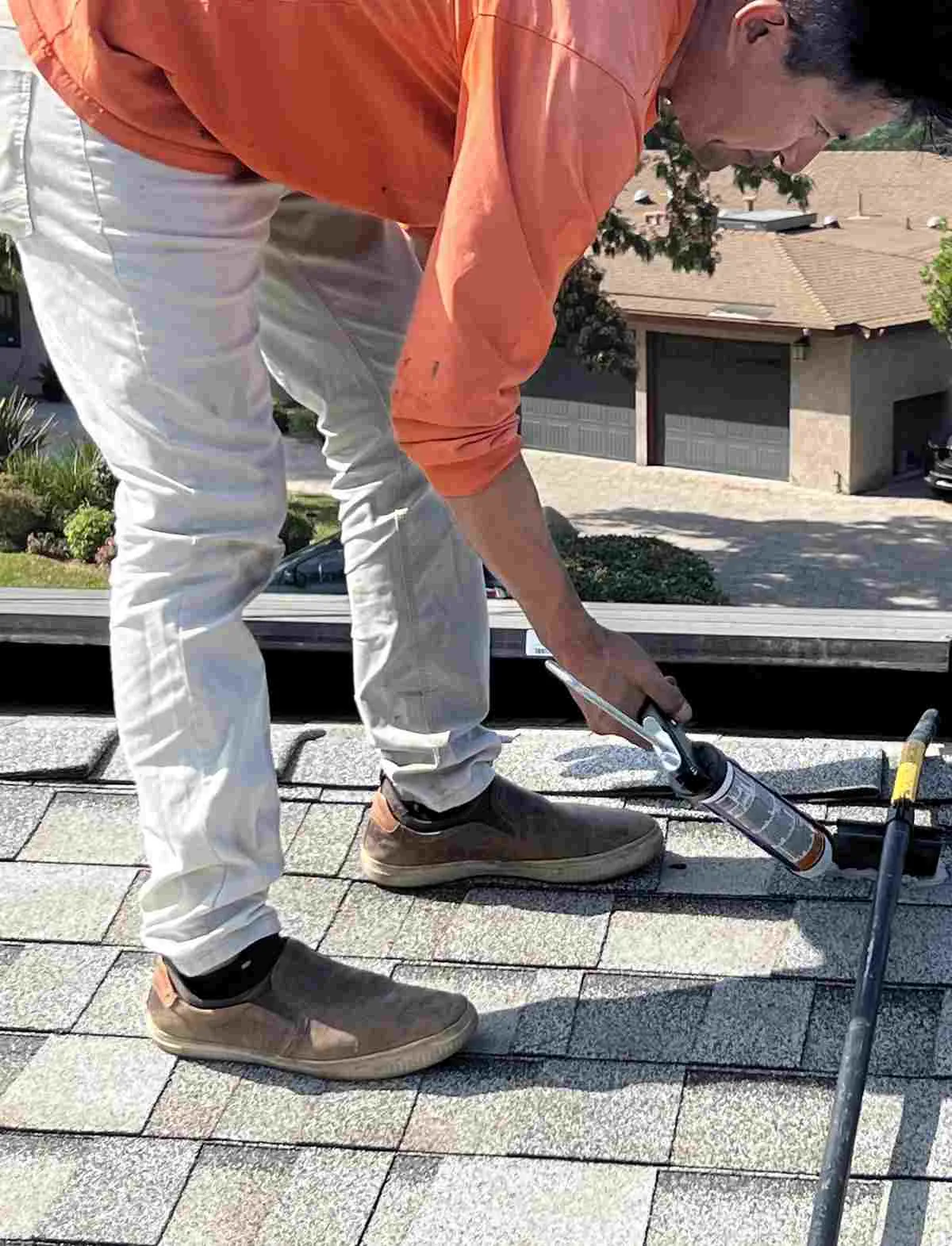
Why owners in Cudahy book a roof inspection
Owners book an inspection to learn the real condition of a roof before small problems spread.
A roof inspection is a planned look at the covering and at the parts you cannot see from below. We check the surface and the details that keep water outside the building. The purpose is to learn the real condition before minor wear turns into damage.
Owners ask for this at very different moments in the life of a building. A sale may be coming, an insurer may want a look, or a ceiling stain may have appeared. Property managers also plan upkeep on a schedule and want a current picture of each roof.
A visit covers the parts of a roof system that most often decide how well it performs.
Each part tells a piece of the story, and together they explain what the roof is doing. An inspection also gives you a baseline for later, when something changes and you need a comparison.
- Where a roof meets a wall, chimney or valley, flashing keeps water out of those joints.
- The covering itself may be asphalt shingle, tile or another roofing material.
- Underlayment lies beneath tile or shingle and quietly does much of the work.
- Decking, also called sheathing, is the layer that supports the covering above it.
Maintenance questions we hear first
We begin by asking what you have noticed, how old the roof is, and where water appears inside.
A useful inspection starts with your answers rather than ours. We ask what you have seen, when you first noticed it, and where it shows up inside the building. Small details, like a stain that darkens after rain, help us aim the visit.
The age of the covering matters as well, because an older roof raises questions about the layers beneath. Tile roofs bring this up often, so we ask about any past work on the underlayment. Answers there shape how we read what the surface is showing.
Bring up anything that seems minor, because small clues often matter more than they look. A cracked vent boot, a sagging gutter or a fresh drip after rain all help narrow the search.
Patch repairs from earlier years are worth mentioning too. A patch that held for one season can hide the place where water truly enters. Tell us where it is, and we will look at that area with extra care.
For a house, a duplex or a small apartment building, a residential roof inspection covers this ground. We shape the visit around the roof you actually have and the questions you brought to us.
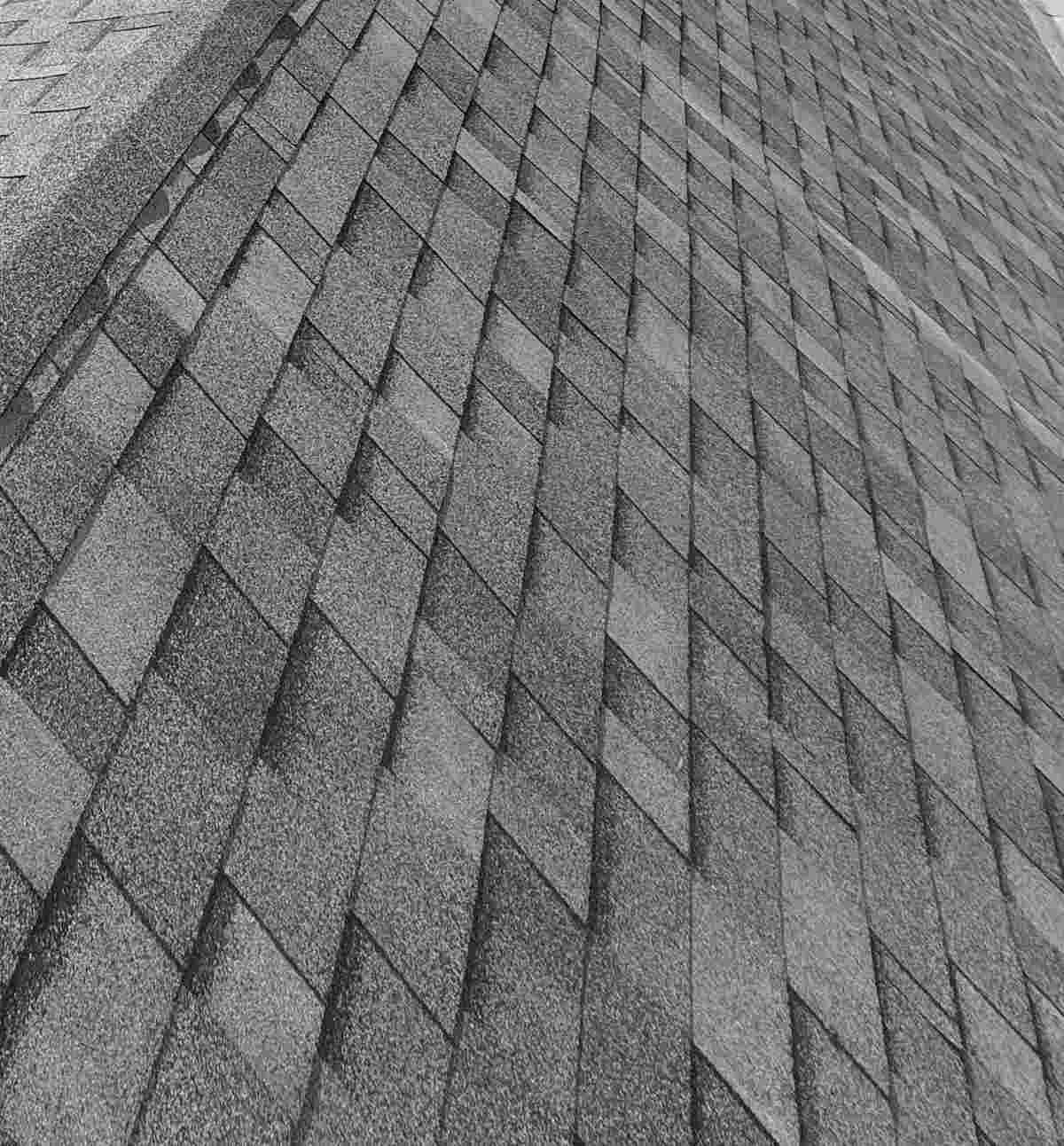
Inspection options for homes and commercial buildings
We offer residential and commercial inspections, leak investigations, and visits tied to a sale or insurer request.
Buildings differ from one another, and the inspection should match the property you actually own. A pitched shingle roof and a low-slope commercial roof raise very different questions. We plan the visit with that difference in mind.
For a store, a warehouse or a managed property, a commercial roof inspection fits the need. Managers usually want findings they can plan around, not only a spoken summary before we leave.
When water is already coming inside, finding the source matters more than a general survey. We call that a roof leak inspection, and it traces the water back to where it enters. We check flashing, valleys and the covering around the wet area.
Some owners book on a schedule instead of waiting for trouble to announce itself. A regular check keeps a maintenance plan tied to what the roof is actually doing. Other owners hold both homes and commercial space, and we handle each on its own terms.
Cudahy local context
Cudahy is its own city in Los Angeles County, with its own building authority and overlapping postal areas.
Cudahy is its own city within Los Angeles County, not a part of a larger one. That distinction matters for roof work, because the city runs its own building process. We keep it in mind whenever a project needs a permit.
Knowing which city is in charge also saves time for everyone involved in a project. A question sent to the wrong office can slow a simple roof job down.
Wherever the property sits, we record what we find in the same consistent way. You can read more about our roof inspection reports before you decide to book.
ZIP areas that reach into Cudahy
Cudahy addresses fall mostly within 90201, while parts of 90255 and 90280 also touch the city.
Most addresses inside Cudahy sit within the 90201 postal area. The 90255 and 90280 areas also overlap the boundary, but only in part.
A ZIP code is a postal area, not a city boundary, and the two rarely line up. Only the portion inside the Cudahy line belongs to this city, and the rest sits with neighbors.
So we confirm the address itself rather than relying on the ZIP code alone. That keeps the permit question and the city contact pointed in the right direction.
Permits and the city's authority
The City of Cudahy handles building permits for roof work inside its city limits.
Roof work inside the city goes through Cudahy's own Building and Safety office. The city publishes its current process online, and requirements can change over time.
We help owners obtain the roofing permits a project requires from that office. Approval and timing rest entirely with the city, so we never speak for that side of the process.
Before any work begins, we check the current requirement against the property itself. That step is simply part of planning a roof job properly.
Findings, documentation and booking
We explain what we found, put it in writing when you need that, and keep quotes separate from inspections.
At the end of the visit, we go over the findings with you directly. You hear the condition of the roof, the spots that need attention, and the items that can wait.
A free estimate is not the same thing as an inspection. An estimate is a quote for work that we would perform. A detailed inspection and a written report are a separate service with their own scope.
If you need the findings in writing, tell us when you book the visit. That way the appointment is set up for documentation from the very start.
If the roof needs repair or replacement, that work can follow the assessment. The inspection still comes first, so any plan matches the roof you actually have.
We cover Cudahy along with many nearby cities, and our service areas page lists where we work. Call (323) 508-2486 to book, or send a note through our contact page. We work under CSLB #1112525, which anyone can verify with the state licensing board.
Roof inspection questions in Cudahy
My insurer asked for a roof inspection. Does that mean you handle the claim?
An insurer-required inspection is not the same as claim handling. We look at the roof and describe its condition, in writing when you need that. Anything involving the claim itself stays between you and your insurer.
Can existing tiles be reused when the underlayment is replaced?
In many cases yes, because tiles can be lifted, set aside, and put back afterward. We check whether each tile is still sound before it returns to the roof. Broken or brittle pieces are set aside instead of reused.
Can you inspect a roof before I buy a property in Cudahy?
Yes, buyer and seller requests are a common reason to book an inspection. We look at the roof and describe the condition we find on that day. What you decide to do with that information is entirely up to you.