
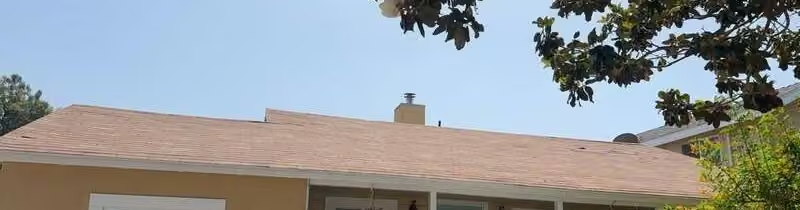
A roof inspection answers one plain question about a Culver City home or building. What shape is the roof in right now, and what should the owner plan for next? Our team looks at the whole roof and then explains the findings in plain words.
Owners call us before a purchase, when an insurer asks for a look, or when a leak turns up. Others are planning upkeep on a commercial building and want a record of the roof. Some owners just want to know how the underlayment beneath their tile is holding up.
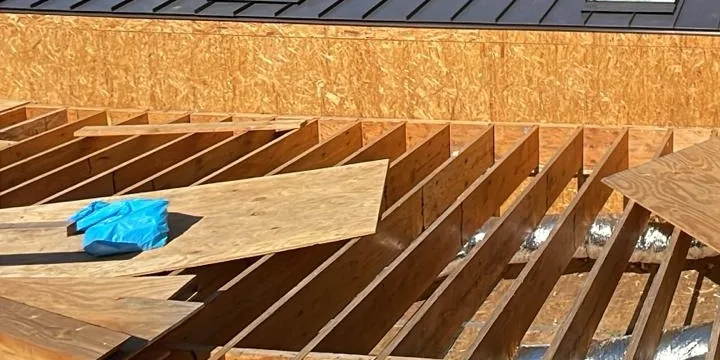
Why Culver City owners book a roof inspection
Common reasons include a sale, an insurer request, a suspected leak, or planned upkeep.
Buying a home brings a short list of roof questions that deserve real, specific answers. How old is the covering, where does water run off, and has anything been patched before? A buyer usually wants those questions settled before the sale closes, not weeks afterward.
Sellers often ask for the same reasons, only much earlier in the selling process. A roof concern that surfaces late can delay a sale, so a written record keeps the discussion factual.
An insurer may also ask an owner to arrange an inspection, and that request concerns roof condition only.
Commercial owners often book for a different reason than homeowners do. Regular inspections catch small roof problems before they turn into expensive building problems. A small opening in the roof costs far less to fix than the damage it lets inside.
There is no single right time to book, so most owners choose when a decision depends on the roof.
What we ask before an inspection
A few intake questions set the scope: property type, known problems, and what the findings must support.
A useful inspection starts with a few questions over the phone. Is this a house, a small apartment building, or a commercial property? Is there a known leak, or is this a general check of the roof?
We also ask what the findings need to support once we are done. A buyer, a seller, and an insurer each want a different level of detail. Knowing that purpose early shapes how we write the results up.
Then we ask about the covering itself and about any roofing work done before. Tile, shingle, and low-slope roofs each age and weather in their own way. Old patches often point us straight toward the section that needs closer attention.
Roof access matters too, so we ask about gates, dogs, and locked side yards. If you have older roof reports or drawings, we would like to see them first.
That intake stays short and practical. It tells us whether a standard residential roof inspection fits, or whether the roof needs a wider scope.
We work under CSLB #1112525. None of the intake commits an owner to anything beyond the visit itself.
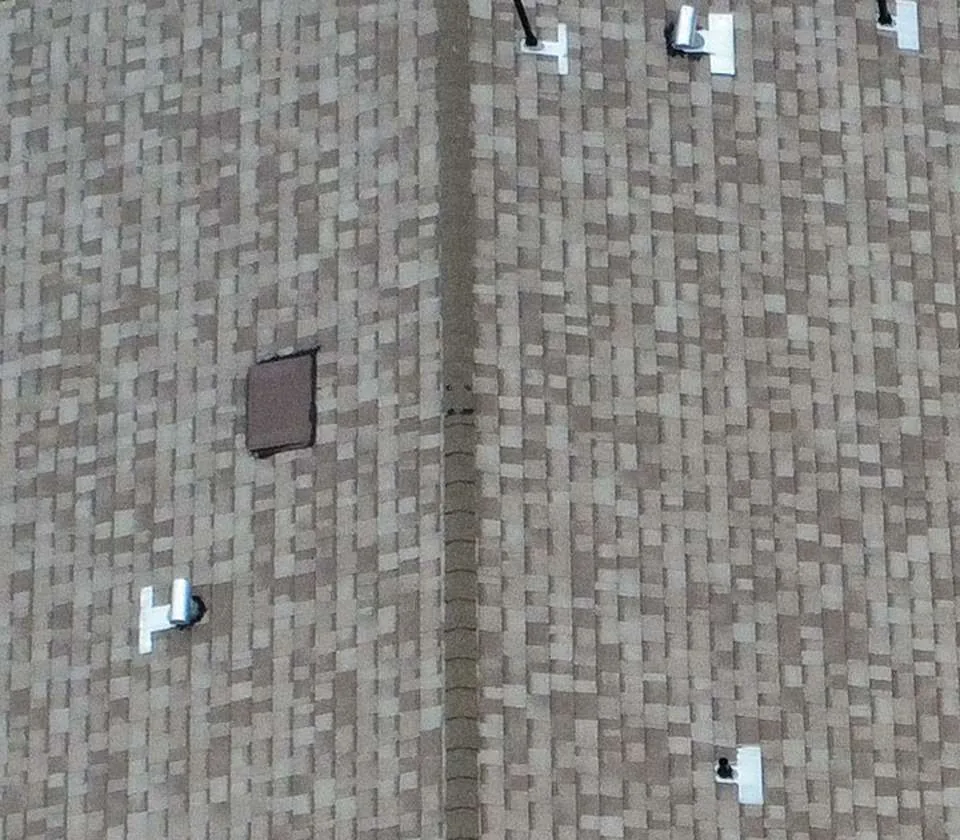
Inspection options for homes and commercial buildings
A pre-sale check, a leak search, and a maintenance survey each look different on the roof.
Not every roof visit takes the same shape once we are up on the roof. A pre-sale check, a leak search, and a maintenance survey ask different questions.
Buyers and sellers usually want the whole roof covered rather than one spot. A leak call runs the other way, because one spot is the reason for the visit.
When water is already coming inside, the search narrows to one area in a hurry. A roof leak inspection works backward from the stain toward the place water gets in.
We check flashing closely, because roof-to-wall joints, chimneys, and valleys all depend on it for a seal. Water can travel a surprising distance through the structure before it ever shows on a ceiling.
Commercial buildings call for their own approach on the roof. A commercial roof inspection usually supports a maintenance plan instead of a single repair. The goal is a clear record of the roof as it stands today.
Tile roofs raise a question we hear often from owners. Underlayment lies below the tile, out of sight from the ground and from indoors.
Some roofs have never had a close look from anyone. A first inspection sets a baseline that later visits can be measured against.
Roof inspection coverage across Culver City
We cover the whole city, and we confirm the address, ZIP, and jurisdiction before the visit.
Culver City is an incorporated city inside Los Angeles County with its own government. It has a planning and development department, and city rules apply to roof work here.
We help owners with the roofing permits a project calls for. Rules and steps change over time, so each job should be checked against the current city process.
Getting the jurisdiction right also keeps the paperwork clean from the start. The address on file has to match the city that actually governs the property.
Neighborhoods across the city
Every named Culver City neighborhood falls inside our inspection coverage.
Our inspection coverage follows the city limits, so every named neighborhood is included. Downtown, Clarkdale, Jefferson, and Washington Culver all carry 90232 addresses inside the city.
Lucerne/Higuera, McManus, and Park East sit under that same ZIP code. Blair Hills turns up under both 90230 and 90232, depending on the address.
Fox Hills, Sunkist Park, Park West, Studio Village, and Blanco/Culver Crest go with 90230. Culver/West and McLaughlin carry 90066 addresses that fall within the city limits.
We book the same way in each of these neighborhoods across the city. The name just helps us confirm the address and the ZIP before anyone drives out.
How the ZIP codes line up
90066, 90230, and 90232 each cross the city line, so only the inside portion counts.
Three ZIP codes reach Culver City addresses: 90066, 90230, and 90232. Each one is a postal area that crosses the city boundary.
Only the portion inside that boundary counts, so an address in any of the three can sit outside the city.
City lines and postal lines do not always match up on the map. So we check the address instead of assuming from the ZIP alone.
We settle that question before the inspection visit, not after the report is written. A roof inspection report should name the right city from its very first page.
Findings, reports and booking
You get a walkthrough of the findings, and a written report is a separate paid service.
Once the walk is finished, we go over the whole roof with you point by point. You hear the overall condition, the concerns, and the parts that still look sound.
We keep the summary in plain language wherever we can. Roofing terms belong in a report, but they should never hide the main point.
A free estimate and a detailed inspection are two different offers with different purposes. An estimate prices work we could carry out, while a detailed inspection and written report are paid services.
A written report matters most when someone else has to read and rely on it later. A buyer, a seller, or a building manager needs more than a verbal summary.
Culver City is one part of a much larger Los Angeles service area. The service areas page names other cities in that wider area.
To book, call (323) 508-2486 or send a request through our contact page. Tell us the address, the property type, and what prompted the call.
Culver City roof inspection questions
What does a roof inspection include?
We check the roof covering first, then the layers that sit underneath it. Decking, also called sheathing, is the solid surface directly beneath the covering. Underlayment lies between that decking and the tile or shingle above it.
Can existing tiles be reused when the underlayment is replaced?
Often they can be reused, because tiles get lifted so the underlayment below them can be replaced. Tiles that are still in sound shape then go back onto the roof.
Does an insurer-required inspection mean you handle my claim?
No, we inspect the roof and document the condition that we find on the property. Handling an insurance claim is a separate process and is not part of our work.
What happens if the inspection turns up a problem?
We explain what we found and lay out the choices in front of you. Repair or replacement can follow an assessment when an owner wants that. An inspection on its own does not commit you to any work.