
A flat roof hides its problems well, so small issues can sit unnoticed for many months. We inspect flat and low-slope roofs across Los Angeles and explain every finding in plain language. The work covers the roof surface, the drains and the details around every opening and edge.
Owners usually call before a sale, during maintenance planning or when a ceiling stain appears. A flat roof inspection should answer the actual question you have about your building. Tell us the reason for your visit, and we will shape the inspection around that concern.
Flat-roof condition questions
Most flat-roof calls begin with one question: is this roof sound, and what does it need now?
Owners reach out for clear reasons, and those reasons shape how we approach the roof. A sale is moving forward, an insurer asks for an inspection, or a tenant reports a drip. An insurer-required inspection is only an inspection, and it is not insurance claim handling.
Flat and low-slope roofs sit over additions, garages, duplexes and whole apartment buildings, not only commercial property. For a store, plant or larger property, a commercial roof inspection may fit the building better.
Property managers often plan ahead, since a regular look at a low-slope roof catches small problems early. Buyers and sellers ask for the same kind of visit while a property moves through escrow.
We take flat-roof calls from across the city, including West Los Angeles and the surrounding 90025 area. Palms sits just south of there and covers much of the 90034 mail area. Mar Vista includes a large part of 90066, though roof systems still differ from block to block.
Drainage and surface observations
Drainage drives most flat-roof problems, so we begin with the drains and the path the water takes.
Water should leave a flat roof through drains, scuppers or a steady slope toward the edge. We look for low spots, standing water and the dirt rings that remain after the surface dries. What we note is a roof observation, not a code ruling about your building or its drainage.
Debris at a drain, a crushed board or a sagging span all change how water moves. We track where water sits longest, whether that is near a wall, a curb or a large vent. Those marks and dirt rings show the places where water lingers instead of draining away.
Roof access and the layout overhead matter too, since trees, parapet walls and rooftop units trap debris. We note anything that shades the surface or keeps a drain from doing its job.
Standing water is not automatically a failure, and a dry roof is not automatically sound. We compare what we see with the way the roof is built and how it drains.
Signs inside the building matter as well, especially when the roof surface looks reasonably intact. If drips or stains appear below, a focused roof leak inspection starts with those interior clues.
Seams, edges and penetrations
Flat roofs usually give trouble at their joints, so seams, edges and openings get close attention.
Few leaks begin in the middle of an open roofing field, so the transitions get our attention. We check seals, the seams between sheets and the metal running along each edge.
Vents, pipes, skylight curbs and equipment mounts all break through the surface of a flat roof. Each penetration needs a tight seal, so we note anything worn, loose or already patched. Decking or sheathing sits under the covering, so damage at the surface deserves a second look.
Edge metal, coping and the tie-in at a parapet take the most weather over the years. We look for open laps, loose fasteners and gaps where wind can push water underneath.
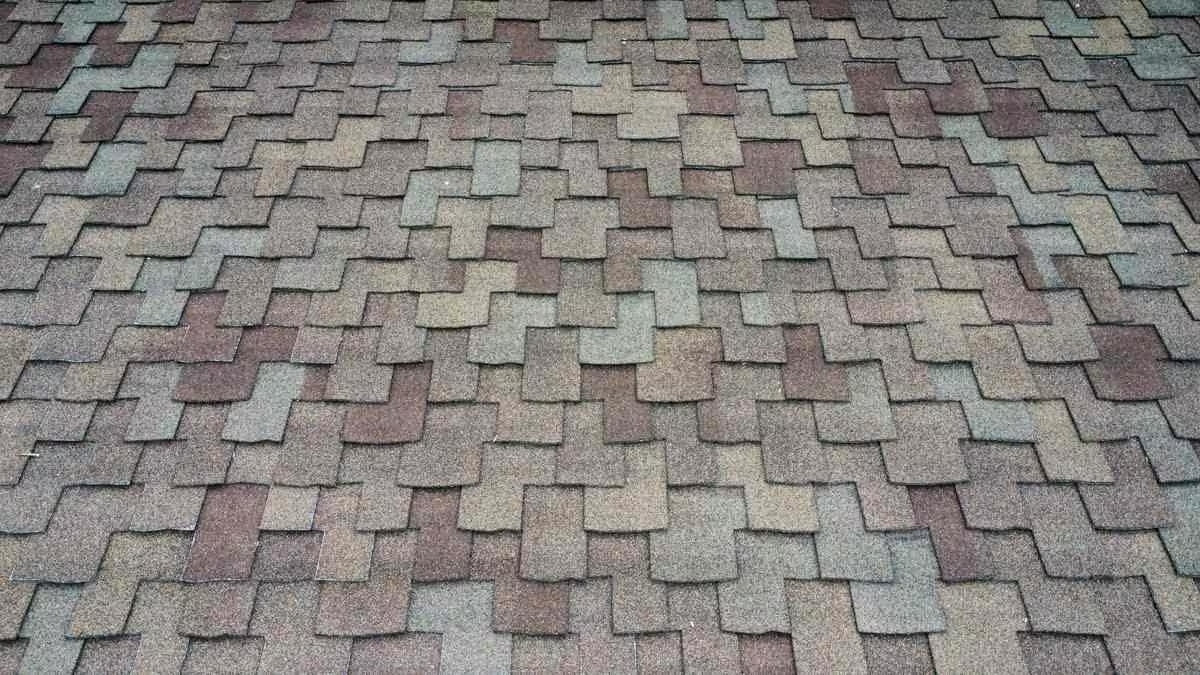
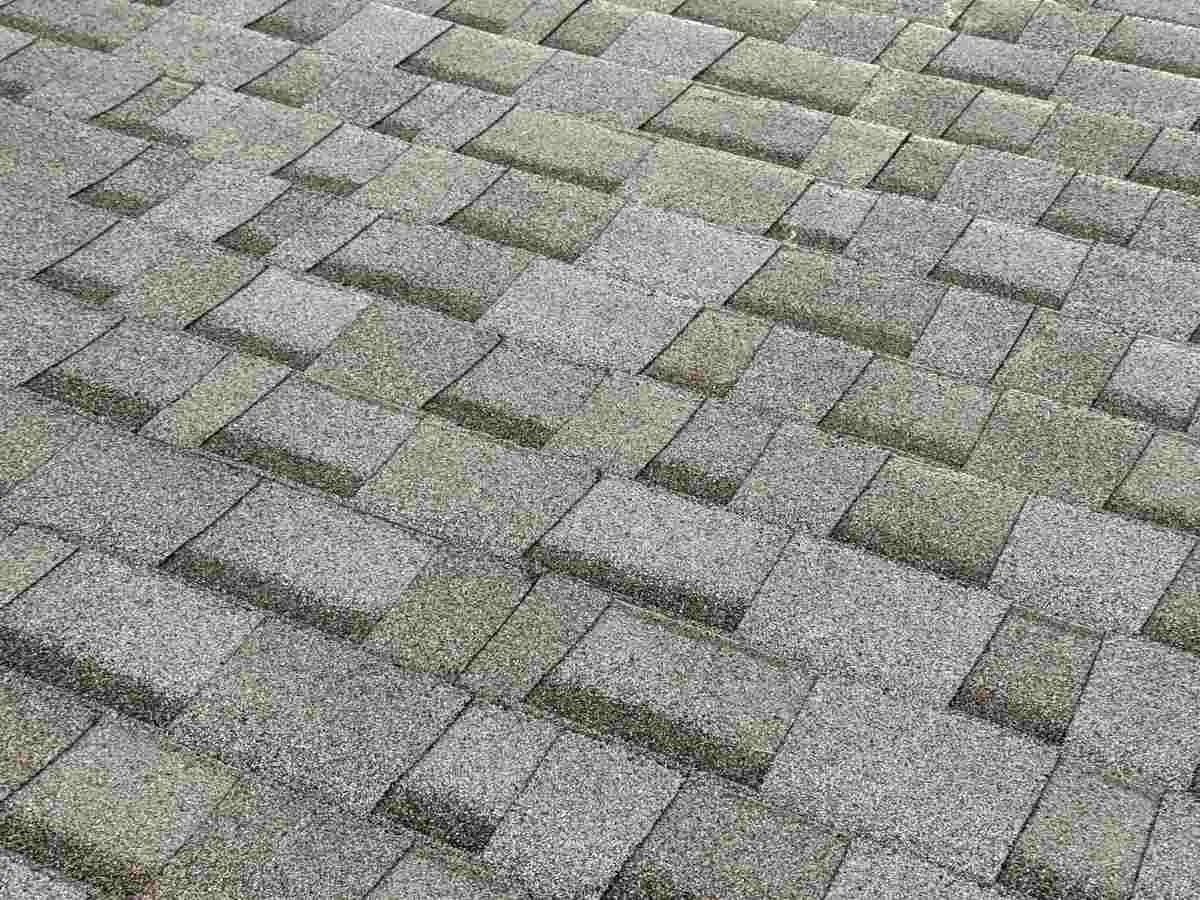
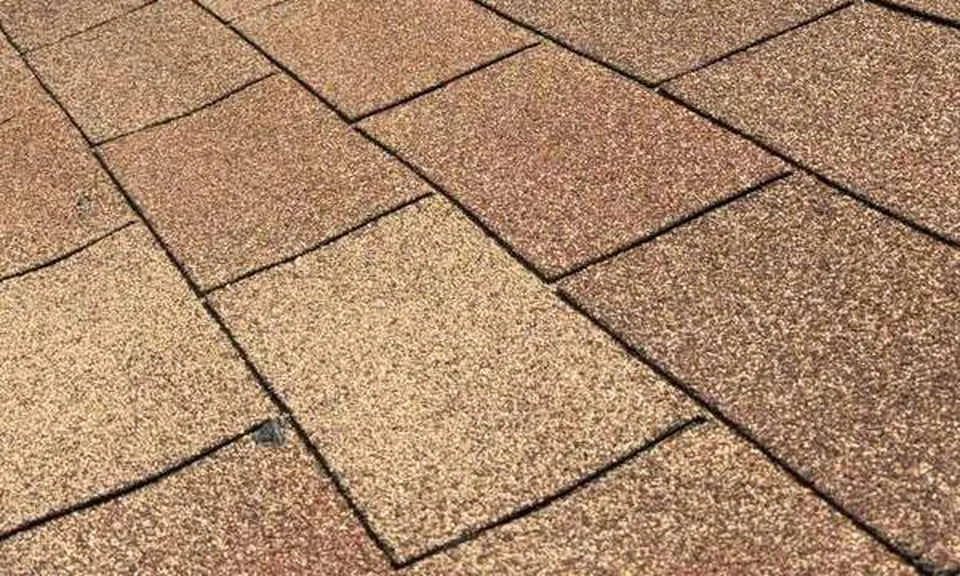
Some homes combine a flat section with a sloped, tiled area on the same building. Underlayment lies beneath tile or shingle, and tiles can be lifted for underlayment work and reused where suitable. We look closely where the two roof types meet, because that transition collects water and debris.
Materials vary, and the assembly on your building guides what we examine on the roof. If your roof uses a single-ply membrane, our TPO roof inspection page covers that material in detail.
Findings and follow-on options
After the visit, we walk through what we saw and lay out your practical options.
You decide what happens next, and the right choice depends on the roof in front of us. Some roofs need simple upkeep, while others need close work at a single trouble spot. Repair or replacement can follow an assessment where needed, but neither outcome is a given.
A free estimate is not the same thing as a detailed inspection or a written report. Ask for what you need when you call, and we will explain how each one works. Our written roof inspection reports page explains what a report covers and when owners request one.
Questions about paperwork often come up well before anyone sets a ladder against the building. Tell us what the report needs to cover, and we will plan the visit around it.
When work follows, we help owners apply for roofing permits through the Los Angeles Department of Building and Safety. Approval and timing rest with the department, so we cannot promise either one.
We hold CSLB #1112525, and that record stays public if you want to look it up. Call (323) 508-2486 or use our contact page to arrange a flat roof inspection in Los Angeles.
- Routine upkeep, such as clearing drains and watching known low spots.
- A closer look at one area when the source of a leak stays unclear.
- A repair scope aimed at the specific spots that need attention.
- A written report when a sale calls for one.