
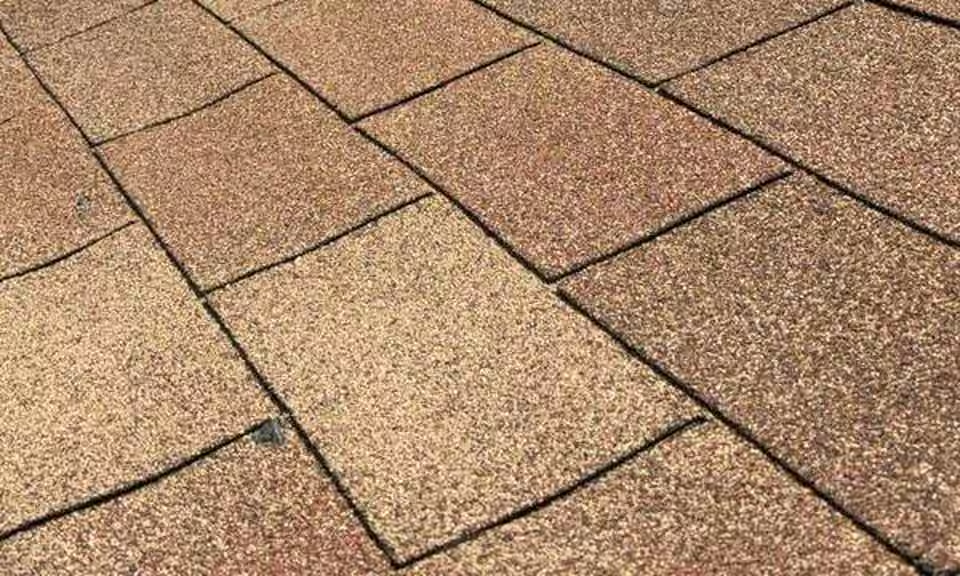
A roof rarely fails all at once, and most of the damage builds up over several seasons. Owners usually call us because one small thing has started to bother them about the roof. It may be a ceiling stain, a loose tile, or a roof that simply looks worn.
We are LA Roof Inspectors, and we check residential and commercial roofs across the Los Angeles market. Our work starts with what your roof is doing today, so you can decide what comes next.
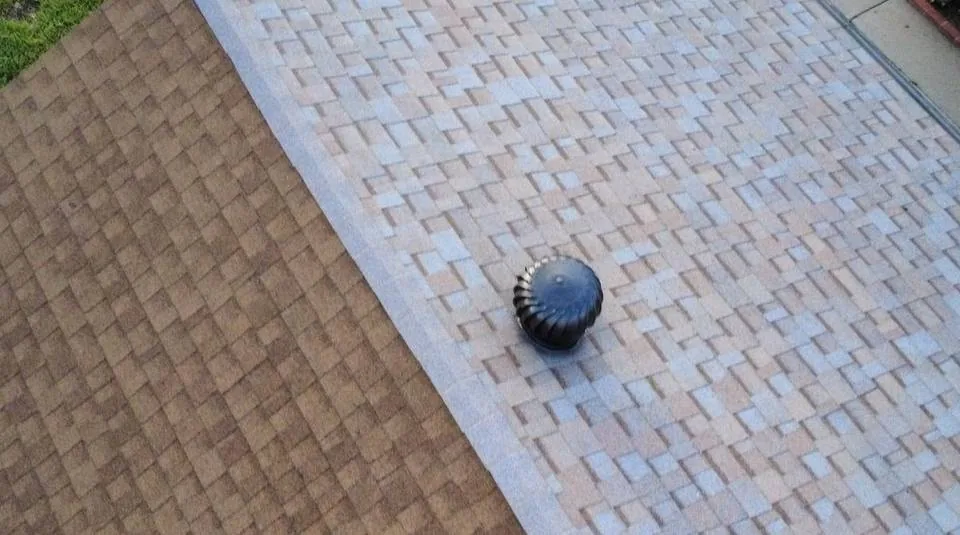
Why owners book a roof inspection in Hawthorne
Most requests start with a specific worry, such as a leak, a sale, or a repair you are weighing.
Every roof wears down over time, and much of that change happens out of sight beneath the covering. Owners in Hawthorne often notice one small sign, then wonder what else is going on up there. A roof inspection turns that guess into a clear picture of the roof you actually have.
People call us for a few common reasons, and a pending home sale is one of them. A buyer may want the roof checked first, or an insurer may require an inspection beforehand.
That last case needs one note, because an insurer-required inspection is not the same as claim handling. We look at the roof and describe the condition we find there in plain, practical terms.
Other calls come from managers who plan building maintenance across the year and want current notes. Some owners suspect a leak they cannot trace, and tile owners often ask about the underlayment.
None of this depends on a roof looking bad from the street or from the driveway. The point is to know what you have before you spend money on repairs or replacement.
Roof age and what we can see today
Age gives us a useful starting point, but the visible condition of the roof tells us more.
One of our first questions is simple: how old is the covering, and who has worked on it? Age alone decides nothing, though it does shape what we expect to find on the roof.
Two roofs of the same age can be in very different shape when we get up there. Sun, water and past repair work all leave marks, so we treat age as context only.
We also ask what has happened inside, since old leaks and ceiling stains narrow our search. Patched spots matter too, so tell us early if a sale or a repair is driving this.
For houses, duplexes and small apartment buildings, this work fits a standard home roof inspection visit. We go through the findings in plain terms, so you can weigh a repair against a larger project.
What we ask before the visit
A few answers up front help us plan the visit and focus on the areas that matter.
We ask how old the covering is, when that is known, and what work has followed it. We also ask where you have seen stains, drips or damp spots inside the building itself.
It helps to know what is driving the request, because the right depth follows from that. A sale, a permit question or a yearly maintenance plan each calls for a different level of detail.
Inspection options for homes and commercial roofs
We inspect homes and commercial buildings, and the right option depends on your reason for calling us.
Not every roof question needs the same visit, and the scope should match the concern you have. Some owners want a broad look at the whole roof, while others need a single problem traced.
Homes usually call for a review of the whole roof and how the covering has aged so far. Commercial roofs more often fit into a maintenance plan that runs across a full budget year. Both begin the same way, with a careful look at the roof exactly as it stands today.
Commercial buildings
Commercial roofs are often reviewed on a set schedule, so that small problems do not grow unnoticed.
Managers usually need clear notes they can act on and share with the building owner later on. A commercial roof inspection fits that need, whether you hold a single building or several properties.
We describe the condition we see and point out where the greater risk seems to sit. These roofs often carry vents, drains and other equipment, and each spot deserves a close look.
When you think there is a leak
A leak search follows the water backward, from the stain toward its most likely point of entry.
Water rarely enters the building where it finally shows up on a ceiling or an interior wall. A stain in one room can begin well away from that spot, higher up the roof slope. Our roof leak inspection work is built around finding that starting point on the roof itself.
If we find real damage, repair or replacement can follow once you decide how to proceed. The inspection stays the first step, and every decision that follows it remains your own call.
Permits and local rules in Hawthorne
Hawthorne is a separate incorporated city, so roofing permits here come from its own local offices.
Hawthorne is an incorporated city with its own municipal authority over local building and roofing permit matters. Offices and rules in the City of Los Angeles do not govern roofing work inside this city.
Roofing work here may need a permit from the authority having jurisdiction over the property involved. In this city that is the Hawthorne building and safety department, and we help owners with those permits.
We do not promise approval or any timing, since that decision belongs to the city itself. Our part is a clear, honest account of the roof and the condition we actually observed there.
We hold CSLB #1112525, and the state license lookup will confirm it. Owners are welcome to check that record before any visit is scheduled at their own property.
Hawthorne is one of the many cities that we cover across the wider Los Angeles market. You can review the rest of our service areas if you own other property in the region.
Findings, written reports and booking
You get plain-language findings, and a written report is a separate service that you can request.
After the visit we tell you what we saw on the roof and what it means for you. Some owners need only that conversation, while others want all those findings set down in writing.
A written roof inspection report sets out the condition we observed in a clear, organized form. It is a paid service rather than a free quote, so ask for it when you book.
A free estimate is a different offer, because it simply prices work you already want done. A detailed inspection is the work of examining the roof and explaining what we found there.
To book a visit, call us at (323) 508-2486 and tell us what is going on. You can also reach us through our contact page and send the details to us in writing.
Share the street address, how old the roof is when that is known, and what brings you to us. That is usually enough for us to set up the right kind of visit for your property.
Common roof inspection questions
What does a roof inspection include?
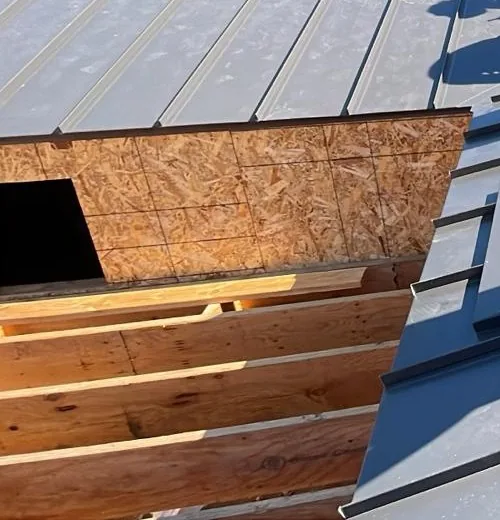
We look at the roof covering and at the flashing that seals roof-to-wall, chimney and valley transitions. Where access allows, we also check the decking or sheathing that sits beneath the roof covering. On a tile roof we also raise the question of the underlayment lying beneath the tile.
Is a roof inspection the same as a free estimate?
No, and the right choice depends on whether you already know the work you want done. Ask for an estimate in that case, and ask for an inspection when the question remains open.
Can you inspect a roof before I buy a property?
Yes, and buyers and sellers both ask for this while a property sale is moving along. We report the roof exactly as we find it, so that you can plan your next step.
Can my existing tiles be reused if the underlayment is replaced?
Often they can, since existing tiles are lifted so the underlayment beneath them can be replaced. Sound tiles then go back in place wherever they remain suitable for reuse on the roof.
Do you inspect apartment and multi-unit buildings?
Yes, and small multi-unit buildings are usually handled in much the same way as single-family houses. Larger properties tend to fit our commercial work, so tell us the building size when you call.