
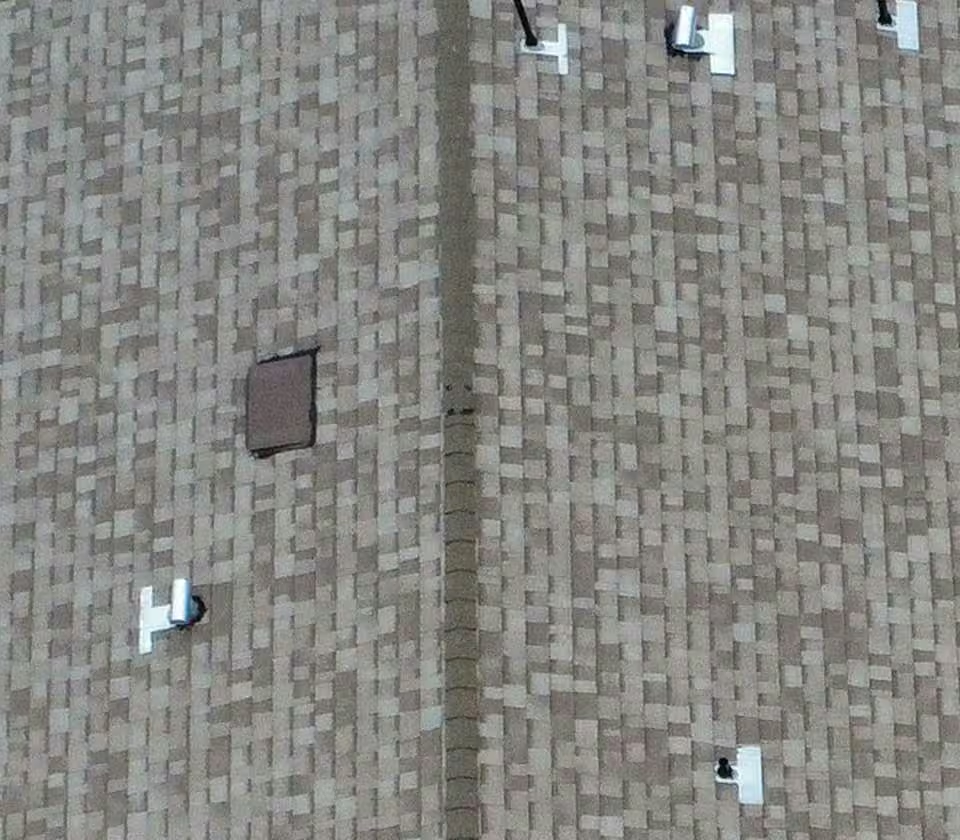
A roof can look sound from the sidewalk and still hide worn flashing and soft decking. Owners, buyers and sellers in Huntington Park call us when they want straight answers. We check the covering, the flashing and the rooms below, then explain what we find.
Most calls start the same way, with a roof that looks old, stained or hard to trust. An inspection turns that doubt into clear detail about the roof you can act on. You can reach us at (323) 508-2486 to arrange a visit to your property.
Why owners in Huntington Park ask for a roof inspection
Most owners call when a sale, a leak or an aging roof raises a real question.
A purchase or a sale brings the most calls, because both sides need the same facts. The buyer wants to know what shape the roof is in, and the seller wants more than a guess.
Other owners plan ahead and want the roof checked before the rain returns. A building manager may plan the year's roof work, while a family wants to know where the roof stands.
An insurer sometimes asks for a roof inspection. That request is about the roof's current condition, not about filing a claim.
Each of those reasons leads to the same first step, a close look at the roof. Someone has to walk the surface, check the details and report what is there.
- A home or apartment building in Huntington Park is about to change hands
- Water stains, drips or damp spots show up inside after a rainstorm
- An insurer asks for a roof inspection
- A commercial owner is planning roof upkeep for the coming year
- An older tile roof raises questions about the underlayment below
Questions that come up during a sale
We ask about the age of the roof, past repairs and any leaks before the visit.
Before we visit, we ask a few plain questions about the building and its roof. Age, past patch work and leak history shape what we check first. Good answers save time on the roof and keep the visit on real concerns.
If you have older invoices or a past report, bring those papers out for us. Work done years ago often points us straight to the weakest parts of the roof.
We also ask who the findings are for, since that shapes how we record them. A buyer often needs a written record, while a seller may want a check before listing.
For a house, a duplex or a small rental, we book a residential roof inspection. Then we walk the owner through every point we noted on the covering and flashing.
Sellers sometimes worry about what we will tell a buyer about the roof. We describe the roof just as we find it, and we never push one repair.
Inspection options for homes and commercial roofs
We inspect houses, apartment buildings and commercial roofs, and we run focused visits when a leak is active.
We do not treat every roof the same way, because buildings and coverings differ. A house, an apartment block and a warehouse each call for a different look. Roof size, slope, covering and access all change how an inspection runs.
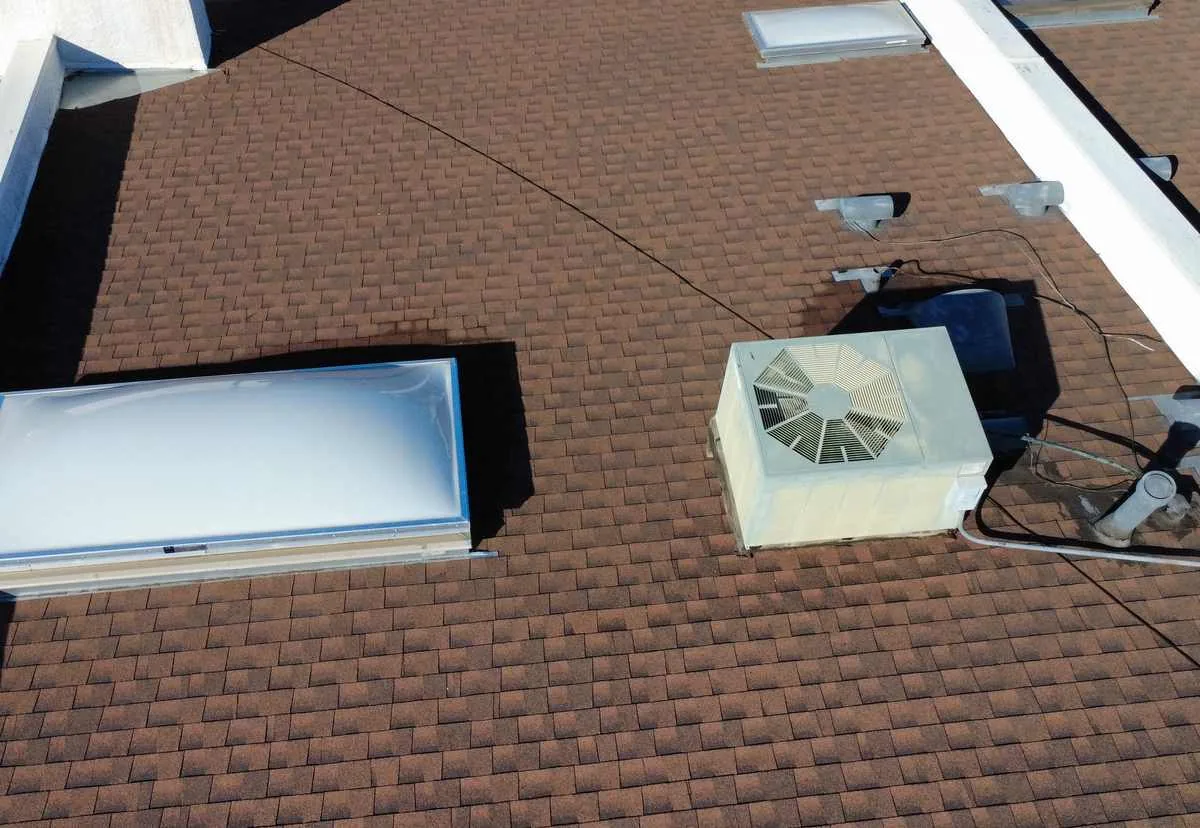
A commercial roof inspection covers flat areas, drains, seams and the equipment mounted on the surface. Rooftop units, skylights and cable runs all create edges where water can work its way in.
Apartment owners often ask about one shared roof above many units. A single opening near a vent can appear as a ceiling stain in a unit far away.
When water is already coming inside, the visit narrows to that leak. A roof leak inspection follows the stain back toward the likely source, often a flashing joint.
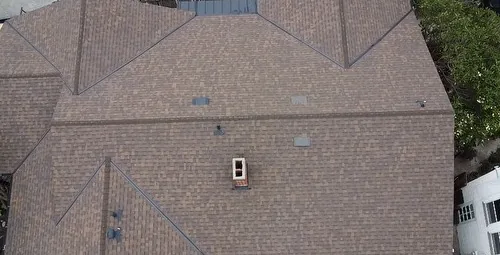
Chimneys, valleys and wall junctions all depend on flashing to keep water out. Underlayment lies beneath the shingle or tile, and the decking or sheathing sits below that. Existing tiles can be lifted so the underlayment is replaced, then suitable tiles go back on.
Maintenance checks follow the same pattern for an owner who wants no surprises. We note what is worn today and what deserves another look next rainy season.
Huntington Park city limits, permits and ZIP areas
Huntington Park is its own incorporated city in Los Angeles County, with its own building office.
Huntington Park is an incorporated city within Los Angeles County, not a district of Los Angeles. That distinction matters more than owners expect once permitted roof work begins.
Buyers and sellers here often want a written roof inspection report instead of a verbal summary. We can explain what such a report covers when you call about your property.
City limits and roofing permits
The city names reroofing as an example of work that needs a permit.
The city's Building Safety page lists reroofing among the jobs that require a permit. Scope still varies from roof to roof, so the city has the final word on yours.
We can help an owner assemble what the city asks for on a roofing permit. The city also publishes zoning and general plan information for land use questions.
Our California license is public, so you can look up CSLB #1112525 before you book a visit.
ZIP areas that reach the city
Several ZIP areas cross the city line, so only the part inside the city counts here.
Postal ZIP areas and city boundaries were drawn for different purposes, so they rarely line up. The city touches several ZIP areas, including 90255, 90001, 90058, 90270 and 90280. Each of those ZIP areas also covers ground beyond the Huntington Park city line.
A ZIP code alone does not prove that a building sits inside Huntington Park. We work from the street address, which tells us which city building office applies.
If your address sits just past the boundary, we will say so before the visit. That keeps permit questions and city paperwork pointed toward the right jurisdiction.
Findings, written reports and booking a visit
We explain what we found, offer a written report when you need one, and book visits by phone.
At the end of a visit we walk you through everything we saw up there. Worn flashing, cracked tile, ponding water and soft decking all get named in plain language. You can ask questions while we are still standing on the property.
A free estimate for repair work is not the same thing as a detailed inspection. That kind of inspection, documented in writing, is a separate service with its own scope. We explain that difference clearly before anything is scheduled on your calendar.
If the roof needs repair or replacement, that work can follow the assessment. The inspection comes first, so any plan fits the roof you actually own.
Questions rarely stop the moment an inspection visit ends at your building. Call back if something new appears after the next rain, and we will talk it through.
Huntington Park is one of many places we visit, and our service areas page lists the rest. Call (323) 508-2486 or use our contact page to book a roof inspection in Huntington Park.
- Call us with the property address and describe the problem you are seeing.
- We arrange a time to examine the roof and the rooms directly below it.
- We go over the findings with you on site, in plain roofing language.
- Ask for a written report if you need the findings recorded on paper.
Common roof inspection questions in Huntington Park
Do I need a permit to reroof in Huntington Park?
The city's Building Safety page lists reroofing among work that needs a permit. Scope differs by job, so ask the city about yours. We can help with the paperwork.
Is a roof inspection the same as a free estimate?
No. A free estimate covers proposed repair work. A full inspection written up for you is a separate service.
My insurer asked for a roof inspection. Can you help?
Yes, we inspect roofs when an insurer asks about current condition. That is a separate matter from filing or handling a claim.
What does a commercial roof inspection cover?
We look at flat areas, drains, seams and the equipment mounted on the roof. Rooftop units and skylights create joints that need a closer look.
Can the tile stay if the underlayment is worn?
Tiles can be lifted so the underlayment below is replaced. Sound tiles then go back on the roof. An inspection shows which tiles are still in good shape.