
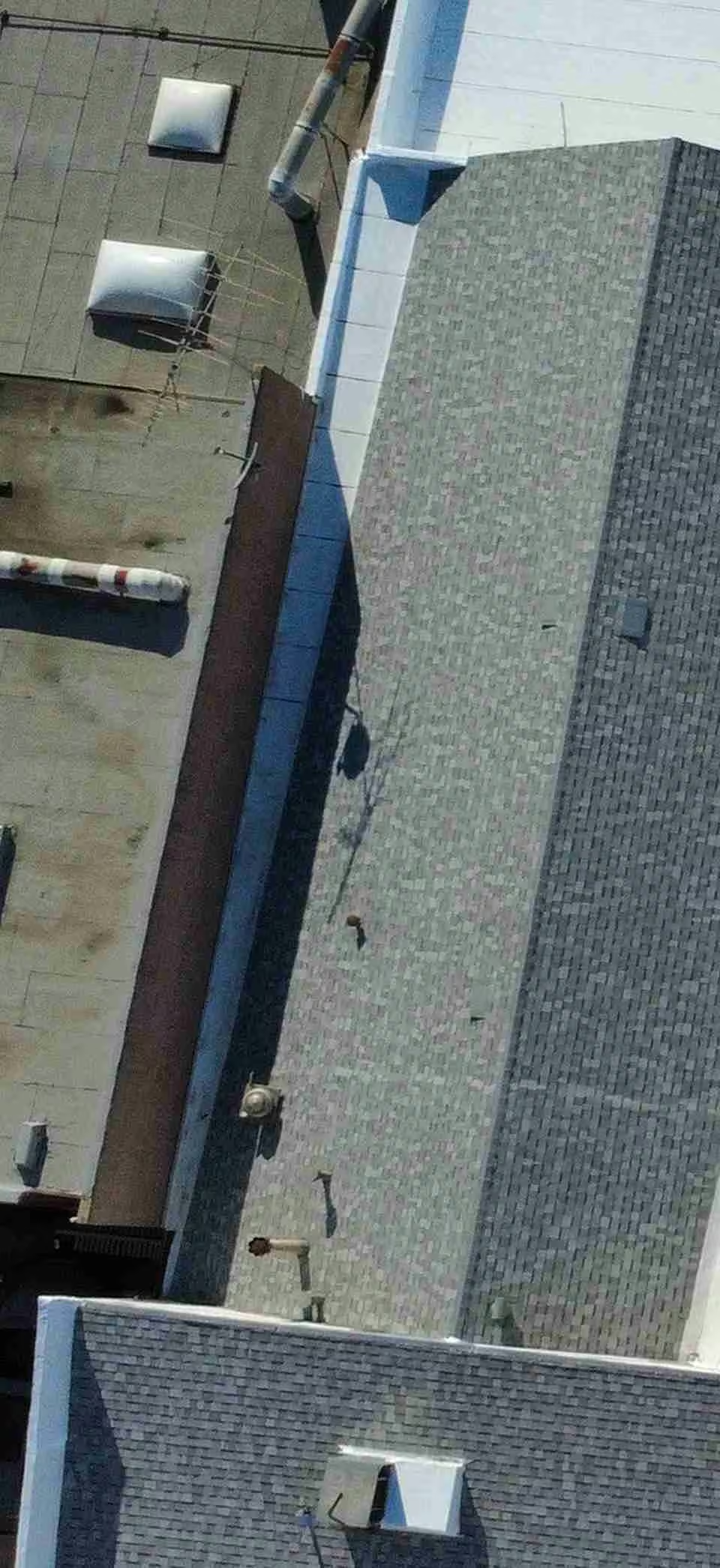
A brown ring on the ceiling or a slow drip in the hallway usually starts the conversation. We schedule a roof inspection in Maywood so you can learn what the roof is actually doing. The goal is a measured reading of the roof, not a guess made from the driveway.
You may own a house, a rental property or a small commercial building with a flat roof. We examine the covering, the flashing at the walls and the places where water tends to collect. Afterward we review the findings with you and discuss what you want documented in writing.
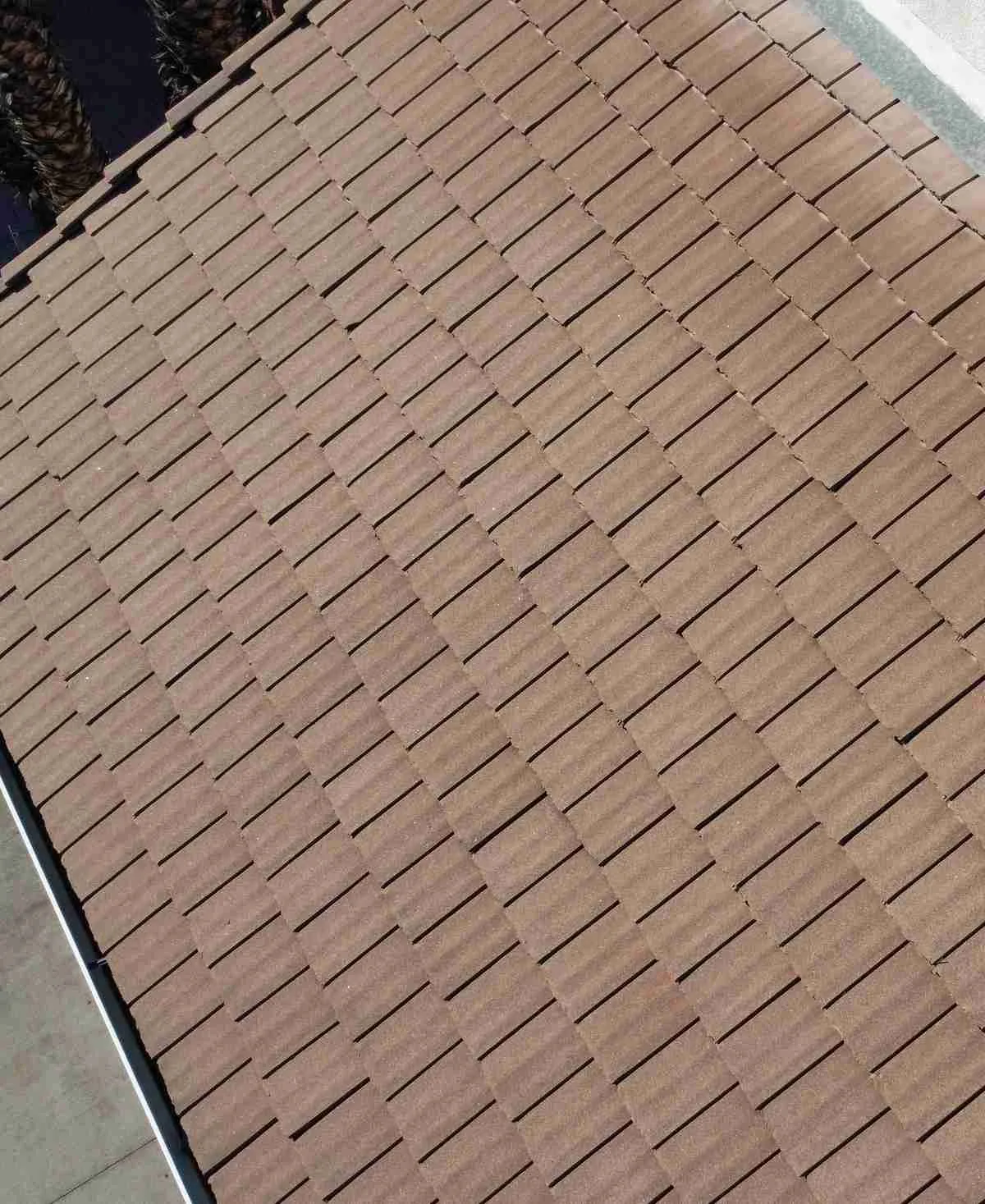
Why Maywood owners ask for a roof inspection
Most calls begin with a leak, a pending sale, an insurer request or a maintenance plan.
A suspected leak is the most common reason for a call, and it is seldom the only one. Some owners are buying a house and want the condition of the roof confirmed beforehand. Others call because an insurer asked them for a roof inspection.
Sellers contact us as well, since a clear reading of the roof helps them answer buyer questions. On a shop or office building, the request is usually a maintenance check that supports planning. A few owners simply want to know what sits beneath their tile before spending money.
Age matters too, and so does a roof that has collected many small patches over time. Wind, sunlight and heat all wear on a roof, and the evidence appears in stages. We would rather examine a roof early than deal with a soaked ceiling later.
None of this requires a finished report from you before we arrive at the property. Describe the symptoms and where they appear, and we will organize the inspection around them.
What we ask about the leak or stain
A short timeline of the leak helps us decide where to look and what to eliminate.
We begin with when you first noticed the stain, the dripping or the damp odor. Then we ask whether it appears during rain, shortly after rain, or on dry days. A leak that appears on dry days may point to a source other than the roof.
We also ask about previous roof work, since older repairs change where water can enter. Interior photos help, and so does a note about which room or wall is wet. If the stain has spread or shifted, we widen the area we intend to examine.
For a house, your answers shape a home roof inspection that follows the path of the water. We examine the flashing at walls and chimneys, the valleys, the vents and the open field. Where tile is involved, we check the tile and the underlayment resting beneath it.
Small details matter, such as a gutter that overflows or a vent with a loose collar. We also note where an earlier patch sits, because a patch can move where water appears. By the end of the visit, you should understand what we found and why it matters.
Options for houses and commercial roofs
We inspect houses and commercial roofs, and the scope changes with the building and the need.
A house call focuses on the covering, the flashing and the visible signs of wear. A shop, office or small plant may have a flat roof, drains, curbs and rooftop units. Those components need their own review, because water often stalls near them.
For larger buildings, a commercial roof inspection covers the field, the edges and the areas around equipment. Owners often pair that with notes for minor repairs before they develop into major ones. We stay within what we can safely see and reach during a normal inspection visit.
When water is the main concern, a focused roof leak inspection is usually the better fit. That work traces the path of the water instead of grading the entire roof. Buyer and seller requests, maintenance checks and report questions all belong here as well.
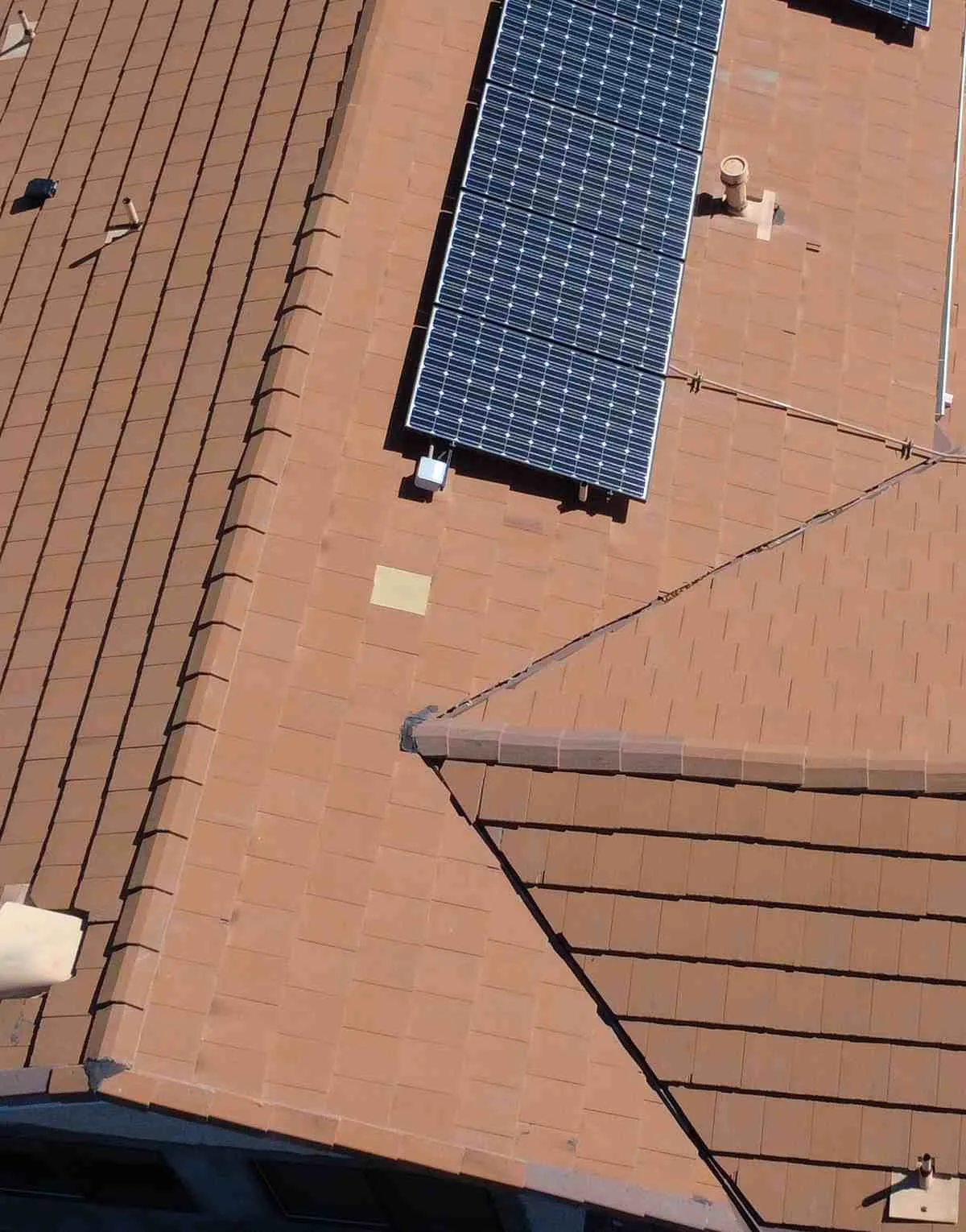
Some roofs combine materials, with tile on one wing and a flat section toward the rear. Solar panels, vents and equipment add edges where water can find a way inside. We plan the visit around what your roof actually carries on it.
Local details we check in Maywood
Maywood is its own city, so the roofing rules and the paperwork come from the city itself.
Maywood is an incorporated city in Los Angeles County, with its own building and planning staff. That matters on a roofing project, since the city sets the permit steps for roof work. We keep that local process in mind from the very first phone conversation.
The city publishes permit and plan review details on its building and planning page. Those steps can change, so every roof plan still needs a check against the current city process. When you want findings on paper, our written roof inspection reports describe what we observed.
ZIP 90270 and the city line
ZIP 90270 covers Maywood and also extends past the city line into neighboring areas.
Only the portion of ZIP 90270 inside the city limits counts as Maywood. A neighboring house can share that ZIP code and still answer to a different city. So we confirm the address and the city before we discuss permits.
The roofing work itself looks much the same from block to block, whatever the mailing address suggests. It is the paperwork that changes with the boundary line on the city map. That check takes only a moment and prevents confusion later in the project.
Roof permits and city review
The city handles building permits and plan review, and we help owners work through the forms.
We help owners with the roofing permits the city requires for the project. We cannot speak for the city about approval or about how long review will take. What we can do is provide clear findings and answer the questions the city raises.
Land use sits with the city's planning division, which also maintains the general plan. Those pages are the place to start when a roof change raises a broader question. We direct owners there rather than guess at the local rules.
Findings, written reports and booking
You choose the scope: a free quote for planned work, or a paid inspection with written findings.
Owners often mix up the free quote with the detailed inspection, but they are separate services. A quote places a price on roofing work you already intend to have completed. A detailed inspection is paid work, and the written report is part of that work.
We review the findings with you in plain language, with photographs where they help. You will hear what looks sound, what looks worn and what needs a closer look. Ask for the findings in writing if you want a record to keep with the property.
Tell us what you need on paper before the visit, since that shapes the inspection scope. A brief note about the room, the stain and the date helps us prepare for the trip. We will confirm the agreed scope with you before the inspection begins.
We work throughout Maywood and the surrounding cities, and you can review the service areas we cover. Call (323) 508-2486 to arrange a date, or send your details through our contact page. We hold a California license, CSLB #1112525.
Common questions about roof inspections in Maywood
Does an insurer-required inspection mean you handle my claim?
No, though some insurers do ask owners to arrange a roof inspection that we can perform. Handling claims is separate work, and we do not speak for your insurer.
Can my roof tiles be reused if the underlayment is replaced?
Often yes, because the tile can be lifted while the underlayment beneath it is replaced. Tiles that remain sound go back onto the roof, and damaged ones do not.
What is flashing, and why do you check it so closely?
Roof-to-wall joints, chimney transitions and valleys are all sealed by flashing. Those joints carry a lot of water, so they receive a careful review. The decking beneath the covering may show damage when a joint fails.
Can you do the repair work after the inspection?
Yes, repair or replacement can follow the inspection when the condition of the roof requires it. The inspection comes first, so the plan matches what the roof actually shows.
How do I choose between a leak check and a full inspection?
Begin with what you actually want to learn from the visit. A single wet spot usually points toward a focused leak check. A pending sale or a budget plan calls for a review of the entire roof.