
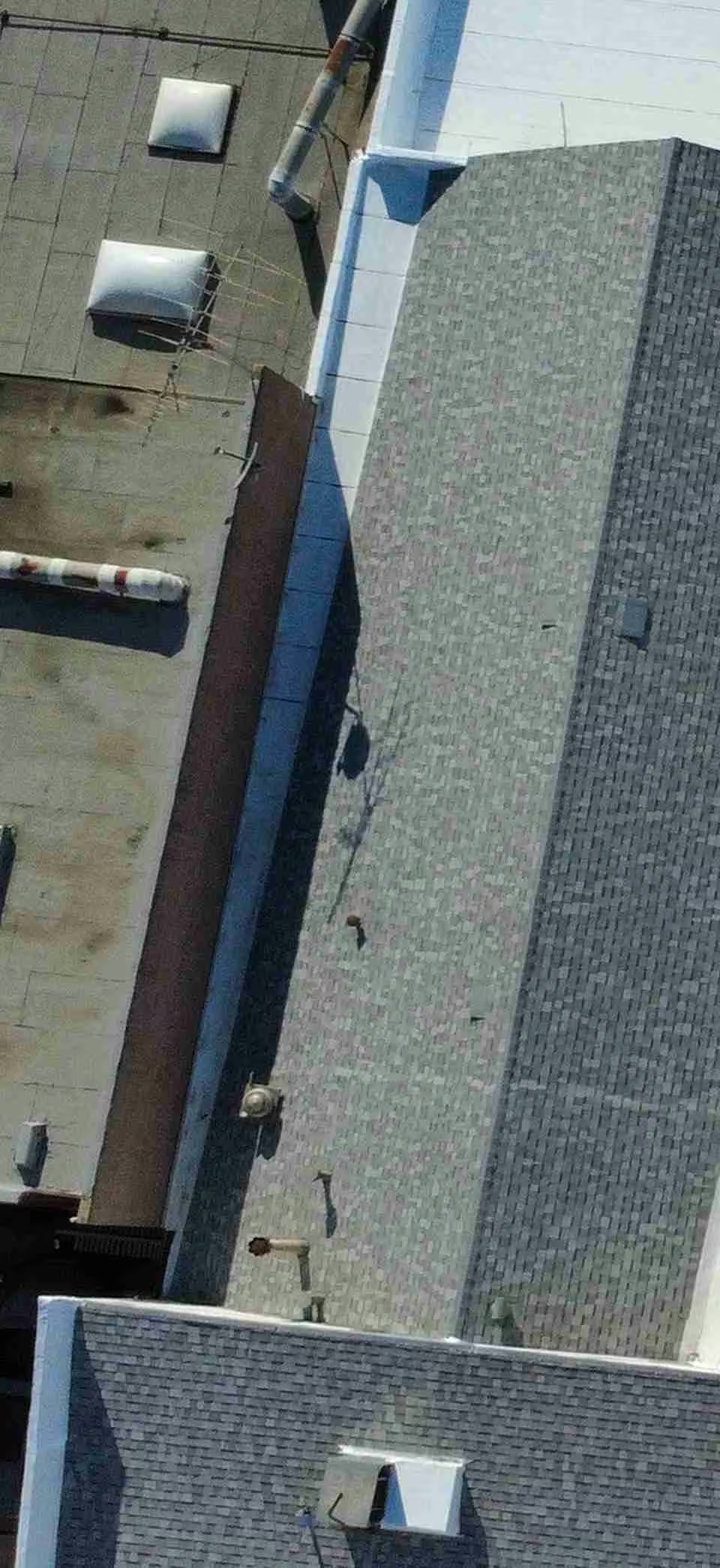
A metal roof can look sound from the ground while small problems develop quietly along the seams. We inspect metal roofs on houses and smaller commercial buildings across Los Angeles. Our goal is a clear picture of the condition of the roof you own today.
Most calls begin with a suspected leak, a property sale, or a regular maintenance plan. We walk the roof where the footing is safe, then examine each part of the assembly. Afterward we talk through the findings in plain language rather than roofing shorthand.
Metal system and inspection purpose
A metal roof inspection starts with the panel system, then covers seams, fasteners, flashing and surface wear.
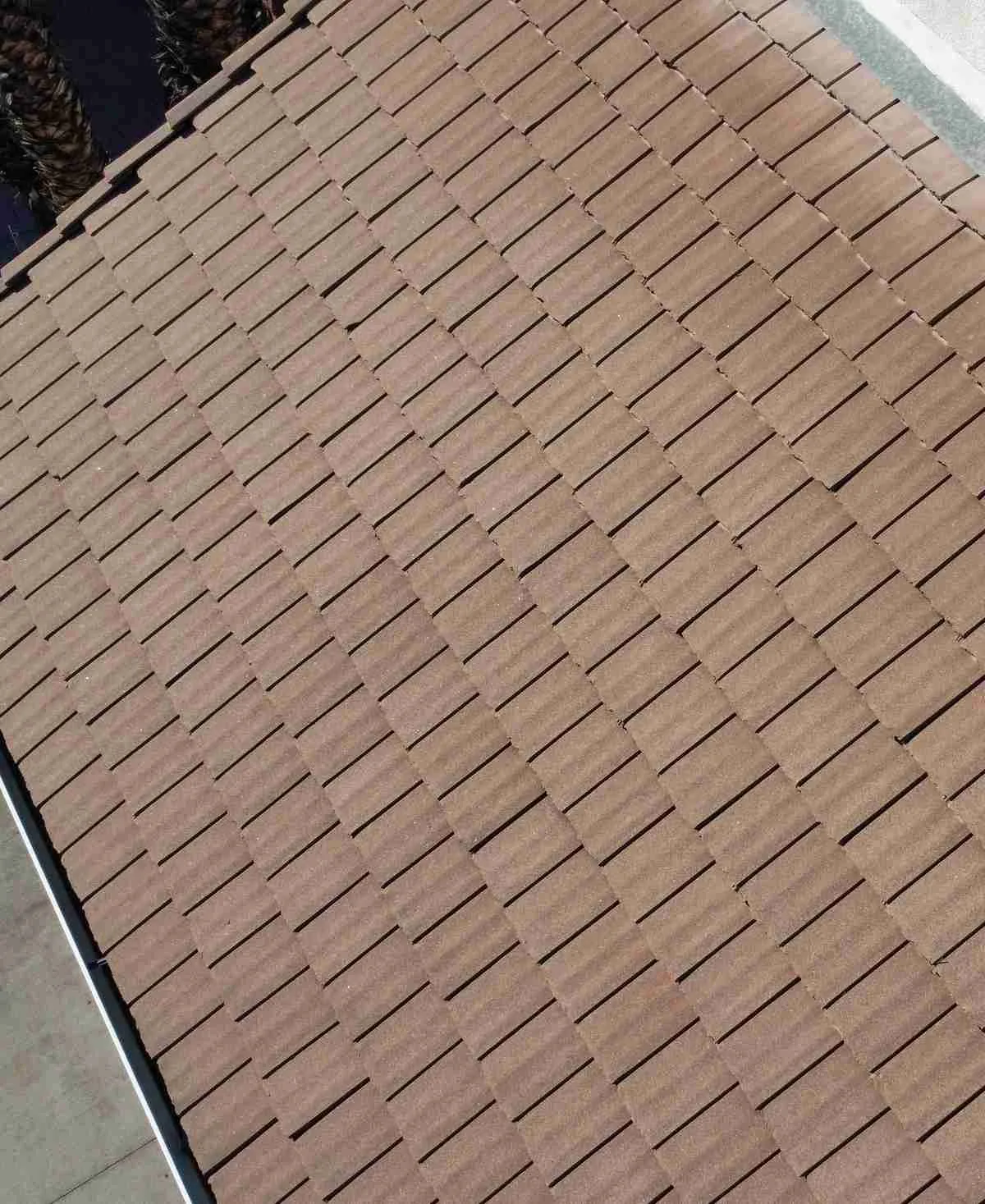
Metal roofs in Los Angeles are not all built the same way, and the differences matter. Some systems use long panels that lock together along raised standing seams up the slope. Others use flat or corrugated sheets held down by exposed screws on the panel face.
Knowing the system first tells us where trouble usually begins on that roof. Metal fastened over an open frame is not the same as metal laid on solid decking. We record the slope, the panel layout, and each point where the roof meets a wall.
We inspect metal roofs on houses in Mar Vista within 90066 and near Rancho Park in 90064. Each postal code covers parts of more than one area, so roof systems vary from block to block.
Why owners ask for a metal roof check
Most requests follow a property sale, an insurer request, an upkeep plan, or a leak found inside.
Buyers and sellers often want the metal roof examined before a sale closes. Owners planning upkeep on a commercial building ask for a check on a set schedule. Others call once a water stain appears on a ceiling under the roof deck.
Some insurers ask for a roof inspection on an existing building. We examine the roof and can put our findings in writing for the owner. That record is separate from claim handling, which we do not provide.
Panels, seams and fixings
We check seams, end laps and fasteners, because these joints are where water gets past metal panels.
Seams absorb most of the movement on a metal roof through the daily temperature swing. Metal expands in the afternoon heat and contracts again as the panels cool overnight. Over many seasons that movement can loosen a seam or pull an end lap open.
Exposed fasteners on a screw-down metal roof need a close look across the whole field. We check for backed-out screws, missing washers, and rubber sealing gaskets that have dried out. Rust streaks or ring marks around a screw head can mean a slow leak underneath.
We also examine panel ends, ridge caps, and the edges where the metal stops short. When stains appear inside the building, a roof leak inspection in Los Angeles can trace the path. Water often travels along a panel rib before dropping through at a lower point.
- Raised seams and clips on locking panel systems
- End laps where one panel overlaps another
- Screw heads, washers and worn rubber seals
- Ridge caps, hips and panel end closures
- Open or lifted metal along the roof edges
Flashing and surface condition
Flashing at walls, chimneys and valleys gets a close look, along with rust, coating wear and debris.
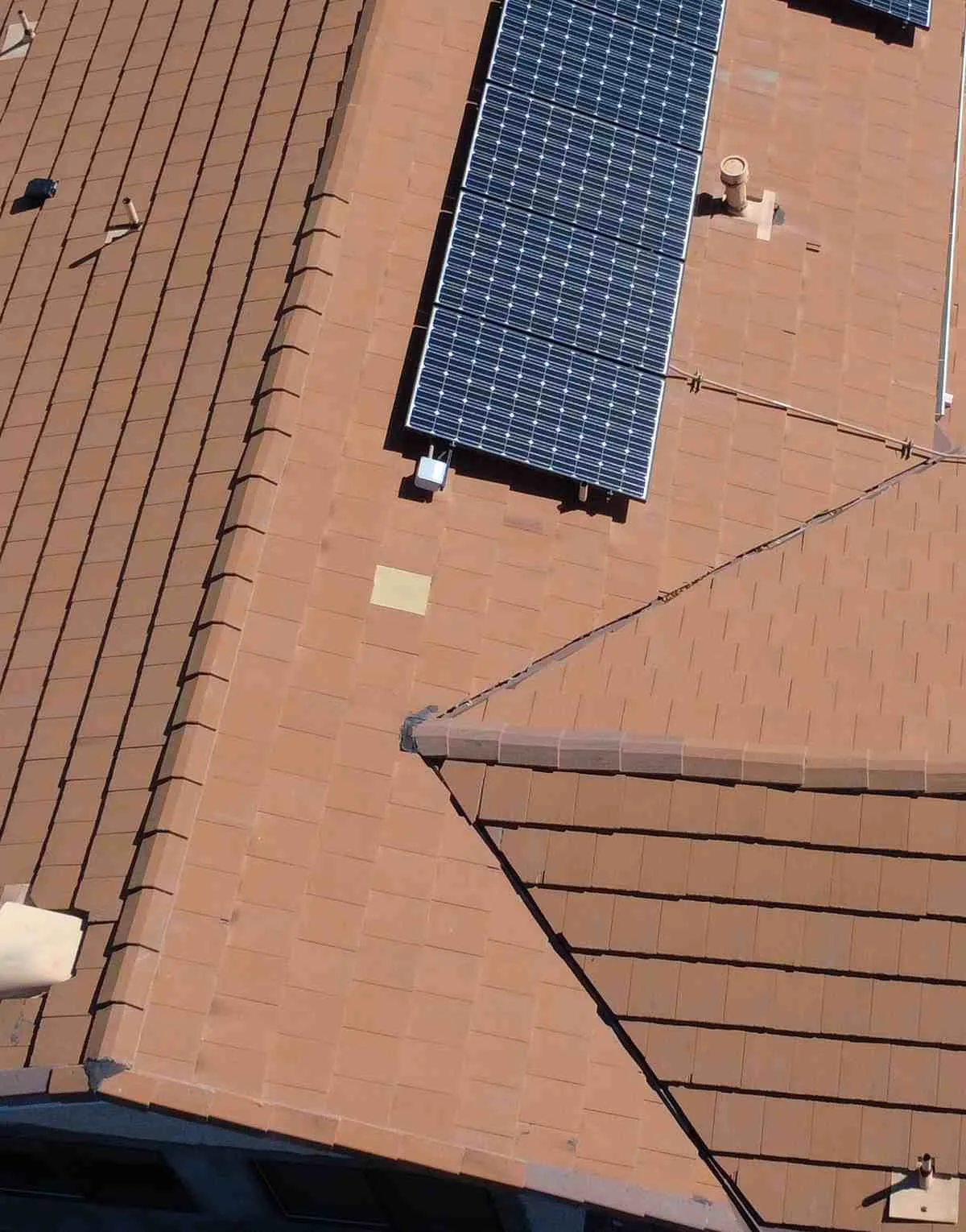
Where the roof runs into a wall, a chimney or a valley, flashing keeps that joint sealed. On metal roofs these joints combine flat sheet metal, sealant and mechanical fasteners. We confirm that each piece laps in the correct direction and sits tight against the panel.
The surface of a metal roof shows what sun, rain and wear have done. We look for corrosion at cut edges, scratches through the paint, and coating that has turned chalky. Dents, low spots that hold standing water, and trapped leaves also go on the findings list.
Roof penetrations need the same attention as the open field of panels around them. Vents, pipes, skylights and solar mounting brackets all interrupt the panel line. What we observe at these openings goes into our roof inspection reports.
Report and follow-up scope
After the walk we explain what we saw, put findings in writing on request, and outline needed work.
We finish by explaining what we saw and what it means for your metal roof. Written findings can follow, and they stay tied to what was visible on the day. A free estimate is a separate step, apart from a detailed inspection or written report.
Repairs or a full replacement can follow when the roof calls for that work. For a larger building near Century City in 90067, a commercial roof inspection fits better. Either way the inspection comes first, and any plan for work follows from it.
Metal roof work can require a city permit before panels are removed or replaced. We help owners prepare permit paperwork for the Los Angeles Department of Building and Safety. Our inspection team works in Los Angeles under CSLB #1112525.
To arrange an inspection visit, call (323) 508-2486 or send details through our contact page.
Metal roof inspection questions
Is a metal roof inspection the same as a free estimate?
A free estimate covers proposed work, while a detailed inspection or written report is separate. The two differ in scope, so we confirm which one you need before the visit.
Do I need a permit for metal roof work in Los Angeles?
Many roofing jobs require a city permit before the work begins. We help owners prepare the paperwork whenever a permit is needed for metal roof work. The city reviews each permit request on its own terms.
Can you inspect a metal roof before I buy a property?
Yes, buyers and sellers often ask for a metal roof check during a property sale. We examine the roof as it stands and describe the conditions we can actually see.
What happens if the inspection finds damage?
We explain what we found and show where the damage sits on the roof. Repair or replacement work can follow once you decide to go ahead. The decision about next steps stays with the property owner.