
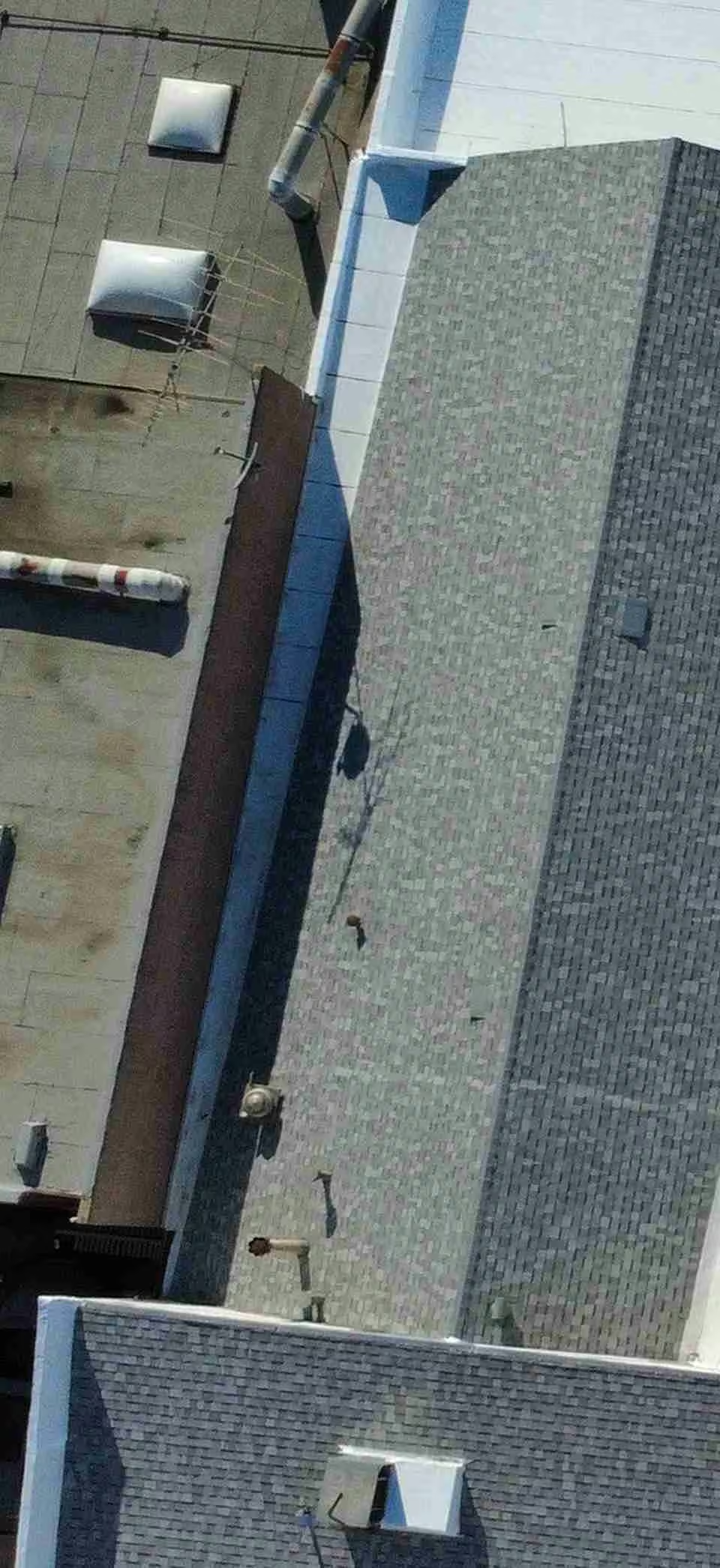
A roof inspection gives you a clear record of how your Monterey Park roof is holding up today. Our team looks at the covering, the flashing and the parts you cannot see from the ground. We then explain what we found in plain terms that you can act on.
Owners call us for many reasons, from a pending sale to a stain on a ceiling. Each goal asks for a slightly different look at the same roof. Tell us why you need the visit, and we will match the inspection to it.
Why owners ask for a roof inspection
Owners book for a purpose, such as a sale, an insurer request or a leak.
Common requests start with a purpose rather than a visible problem on the roof. Someone is buying a building, planning maintenance, or answering a request from an insurer. The roof stays the same, but the question behind each visit is different.
A property purchase is the clearest example of a visit driven by a deadline. Buyers want to know the condition before the paperwork closes, not after. Sellers often want the same record in hand before questions come up.
These requests are common, and each one changes what we prioritize on site. None of them require a problem that is already visible from the street.
- Buyers and sellers check the roof condition before a sale closes.
- Owners answer an inspection request that came from their insurance company.
- Managers plan maintenance and repair budgets for a commercial building.
- Owners notice a suspected leak showing up somewhere inside the building.
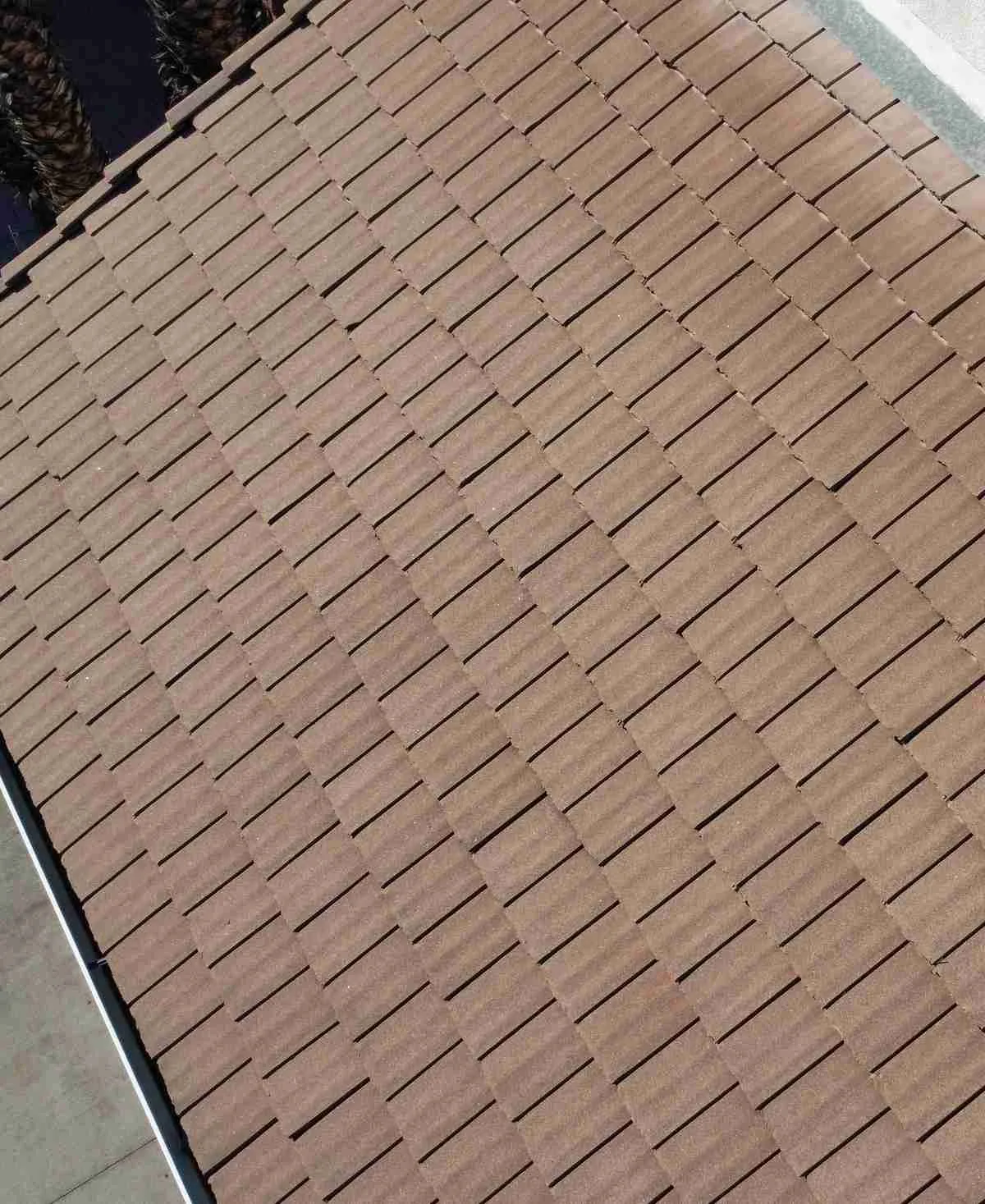
- Owners ask questions about existing tile and the underlayment below it.
What we check, and what an inspection cannot show
We review the covering, the flashing and the visible signs of trouble below the roof surface.
We start with the roof covering, then follow the path water takes across the surface. Wall junctions, chimneys and valleys all depend on flashing to stay sealed. Those joints get a close look, because sealed transitions keep water moving off the roof.
Underlayment lies beneath the tile or shingle, and the decking or sheathing sits below that. Neither layer is visible from above while the roof surface is still intact. So we note the visible signs that often point to a problem underneath.
Existing tiles can sometimes be lifted so the underlayment below them is replaced. Many of those tiles go back on the roof when they are still in good shape. We will tell you what we saw before anyone talks about that kind of work.
An inspection describes the roof on the day we stand on it, not months later. Weather, foot traffic and later work can change what we wrote down. That is why the timing of the visit matters so much to buyers and sellers.
A house asks for a different walkthrough than an office or industrial building. Our residential roof inspection page describes what that visit covers on a single home.
Inspection options for homes and commercial buildings
We match the visit to the building, whether it is a house, a commercial roof or a leak.
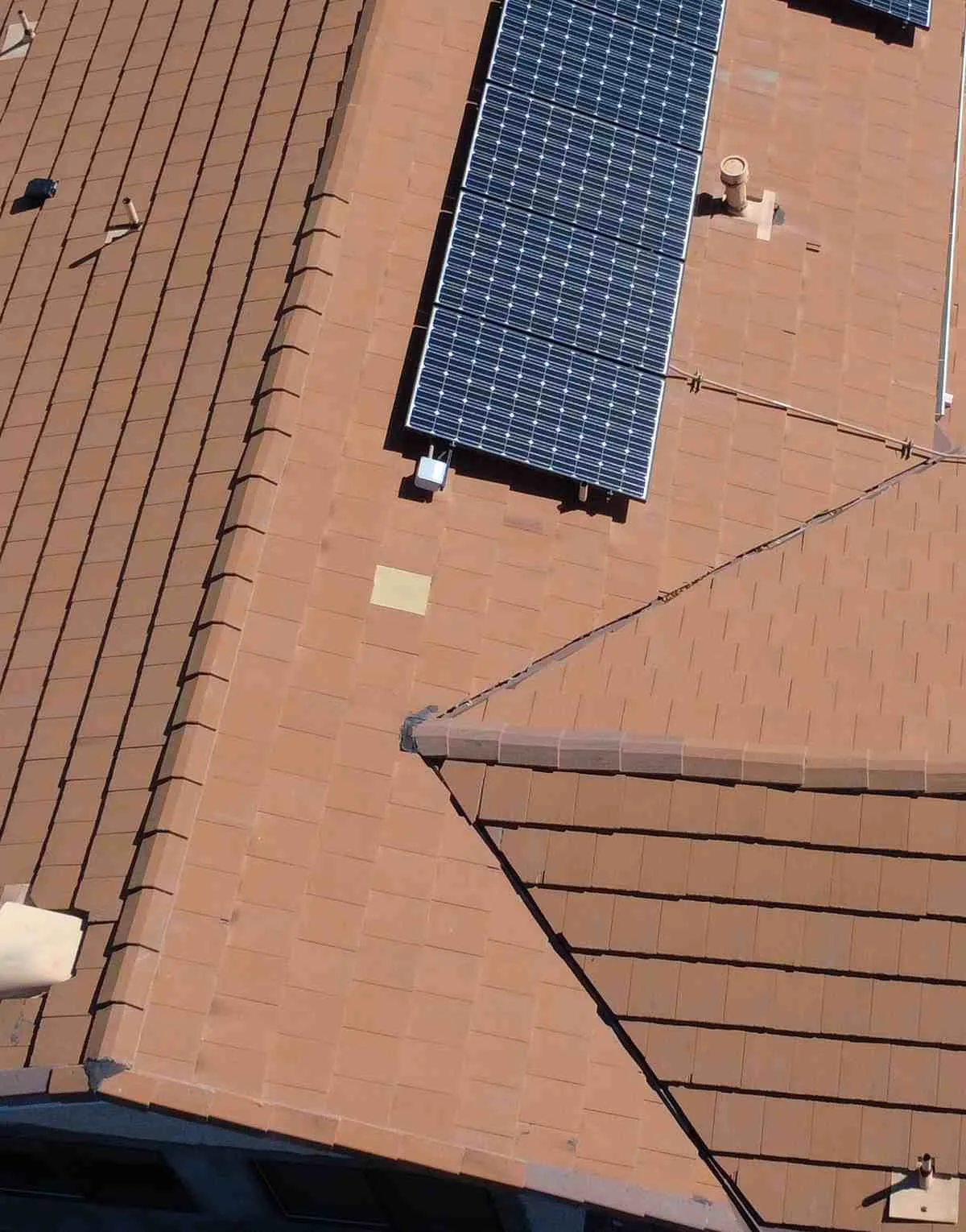
Low-slope commercial roofs and steep tile roofs raise different questions on the same street. Rooftop equipment, drains and long flat runs each need their own attention. So the type of building shapes the visit before we ever arrive.
Managers and owners often book ahead of a budget cycle or a tenant change. Our commercial roof inspection page covers planning work on flat and low-slope roofs. Repairs or a replacement can follow later, once the condition is clear.
A visible stain inside changes the goal of the visit right away. Then the work narrows to where water is getting in and what it has reached. Our roof leak inspection page explains how we approach that kind of call.
Buyers, sellers and agents often work against a deadline of their own. Tell us that date when you call, so we can plan the visit with you.
You do not have to know the roofing material before you pick up the phone. A plain description of what you notice is enough for us to plan the visit.
Roof inspections inside Monterey Park city limits
Monterey Park is an incorporated city, so roofing permits and rules come from its own city offices.
Monterey Park is an incorporated place in Los Angeles County, with its own city government. That matters for roof work, because the rules follow the city your property sits in. We plan every visit around the building and the city it stands in.
Some owners want the findings written down, not only explained on the roof that day. Our roof inspection reports page is the right start when a written record is the goal. A written record also helps when several people need to see the same findings.
Permits and the city's own authority
Roofing permits for property inside the city come from Monterey Park, not from Los Angeles offices.
Roofing permits come from the authority with jurisdiction over your property, not from us. We help owners work through that request, while the city sets its own steps. Check the current process against your own property before any work begins.
The city Building and Safety page lists current contacts and requirements for owners. You can also look up our license, CSLB #1112525, in the state's public records.
Some owners also have land-use questions that reach past the roof and into future plans. The city's planning pages cover that side, while a roof inspection stays with the roof.
ZIP areas that reach into the city
Three ZIP areas touch the city, but each one also covers ground outside the boundary.
The ZIP areas 91754, 91755 and 90022 all overlap the Monterey Park city line. Each ZIP is a postal shape, so parts of it sit outside the city. Only the portion inside the boundary is Monterey Park for permits and city rules.
A ZIP code by itself does not settle which city rules apply to a building. Send us the address, and we will confirm the city before the visit is set.
Mailing addresses carry postal city names, and a postal name is not a boundary line. That distinction matters most when a roof permit is the next step for an owner.
Findings, written records and booking a visit
We explain the findings on site, and a written report or an estimate can follow your request.
At the end of the visit we walk you through what we saw, in plain words. You hear where the roof looks sound and where it needs attention. If repair or replacement follows, that work starts from what the inspection found.
A free estimate and a detailed inspection are not the same offer. An estimate covers work we propose, while an inspection and a written report are services you hire us for. We will tell you which one fits your request when you call.
Some owners are asked for a roof certification rather than a written inspection report. Have the exact wording in front of you when you call about that request.
We work across the Los Angeles market, and our service areas page shows where we go. To book in Monterey Park, call (323) 508-2486 or reach us through our contact page.
Common roof inspection questions
Does an insurer-required inspection mean you handle my insurance claim?
An insurer may ask for a current roof inspection, and we can document what the roof shows. Claim handling is a separate process, and we do not take that on for owners. The insurer still makes its own decision about your policy.
What should I have ready before the inspection?
Tell us the address and the reason for the visit, such as a sale, a leak or a plan. Say whether you need the findings written down afterward. Mention any past roof work you know about, since that shapes where we look first.