
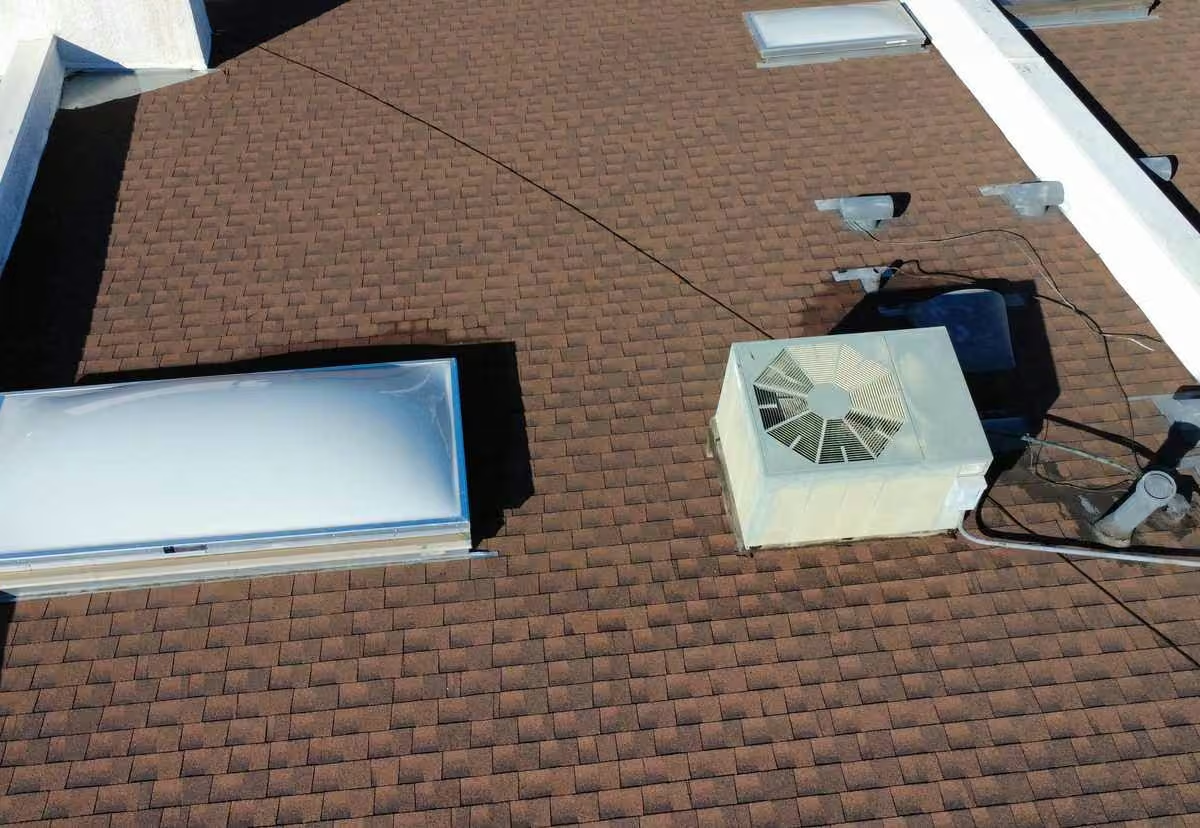
Roof trouble rarely shows up at a good time, and it rarely fixes itself either. The first sign is often a ceiling stain, a damp wall, or a slipped tile. A roof inspection gives you a clear picture of the roof before you spend money on repairs.
We inspect homes and commercial buildings throughout the Los Angeles market, and Paramount is part of that work. If a problem on your roof keeps coming back, call our team at (323) 508-2486 and describe it.
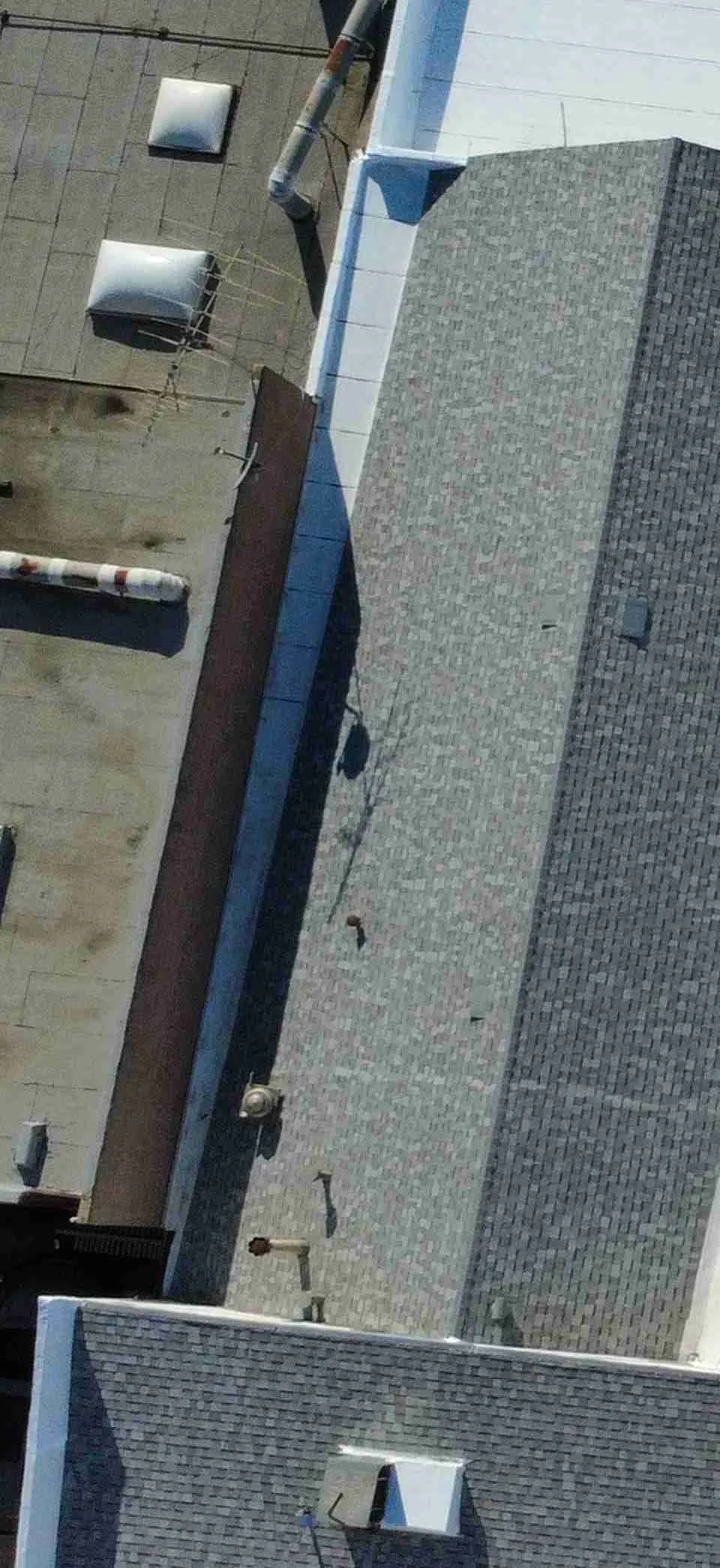
When a Paramount roof needs a closer look
A roof problem that keeps coming back after past repairs is a common reason to book an inspection.
Repeat trouble is a common reason an owner books a full roof inspection. A drip returns with the first heavy rain, or an old patch lifts along the same seam. One more patch may not answer the real question of why water keeps getting in.
An inspection looks at the whole roof, not just the spot where damage shows up. Wall, chimney and valley transitions get close attention, because water often enters where flashing seals meet. We look at the covering above and the decking, or sheathing, that carries it.
Not every call starts with a leak, and plenty of them start with a deadline instead. Buyers and sellers want the roof condition on record before the sale closes. Other owners have an insurer asking for a current roof inspection on the property.
A first inspection also gives you a baseline you can measure later work against. After a storm, or after a repair crew leaves, you can compare the roof with that record. That makes it much easier to judge whether the last repair really held.
What past repairs tell us
Knowing what was repaired, when it happened, and where it leaked again shapes the whole inspection.
We ask about repair history early, since it often tells us more than the surface does. What was fixed, how long ago, and did the same spot leak again later? Those answers tell us where to start looking once we are up on the roof.
Water rarely stays where it first enters, which is what makes leaks so confusing. It can run along the decking or the framing and then appear in a room far away. A stain above one bedroom may point to an opening near the ridge or a wall.
If you still have invoices or photos from earlier work, it helps to bring them out. They cut the guesswork and show us which spots someone has opened up before. Nothing is required, though, since we can work from what the roof itself shows us.
Stacked patches over one spot are another clue worth raising before the visit. They often mean an old fix treated the symptom, not the opening above it. For a single house, that history guides how we plan a residential roof inspection.
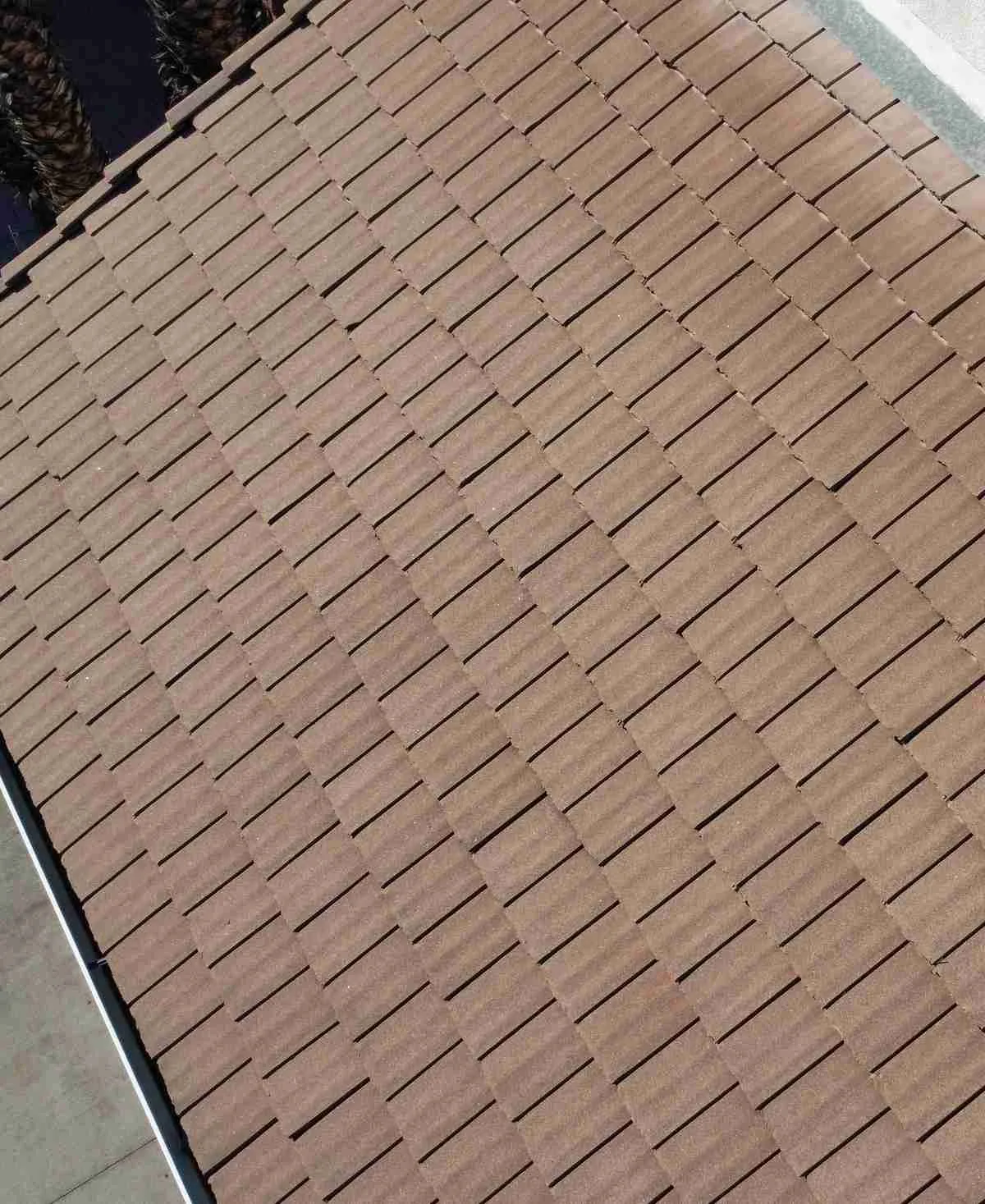
Inspection options for homes and buildings
We inspect houses, apartment buildings and commercial roofs, and we fit the visit to your concern.
Roofs are not all alike, so the right kind of visit changes with the building. A tile roof with worn underlayment raises different questions than a flat commercial roof. We match the inspection to the roof itself and to the reason you picked up the phone.
Property managers often plan ahead for upkeep instead of waiting for a leak. A commercial roof inspection covers the roof surface, the flashing, and the space around rooftop units. That record helps you sort the work for this year from the work that can wait.
Active water calls for a narrower job with one clear question behind it. A roof leak inspection follows the path of the water back toward the opening that let it in. We look at the signs inside the building and at the roof surface above it.
Most inspection requests come down to a few common cases:
- A home sale or purchase that needs the roof on record
- An insurer that asks for a current roof inspection
- Upkeep planning on a commercial building
- A suspected leak with no clear source
- Questions about existing tile and the underlayment beneath it
What we look at on the roof
We check the covering, the flashing, the decking below, and the underlayment in between.
A roof works as a system, and every layer has a separate job to do. The covering sheds water, while the flashing seals the joints at walls, chimneys and valleys. Below that sits the decking, also called sheathing, which carries the covering above.
Underlayment lies between the decking and the tile or shingle you can see from the street. Where a roof is tile, the tiles can come up so new underlayment goes down. We set the sound pieces back in place after that, where the tile is still good.
Paramount jurisdiction and service area
Paramount is its own city, so roof work there follows the current city process.
Paramount is an incorporated city in Los Angeles County, not part of the City of Los Angeles. It has its own planning and building department, which handles permits and reviews for local work. Any roof project still needs a check against the current city process and the property.
This matters more than owners expect when they compare notes with friends nearby. What applies in the next city does not always apply inside the Paramount city line. So we point owners to the city's own process instead of guessing at it.
Some inspections end with a talk on the driveway, and others end with paperwork. When you need the findings on paper, our roof inspection reports page explains what a written report covers. It sets down the roof condition we saw on the day of the visit.
Buyers, sellers and property managers often ask for that written record before they decide. A spoken summary answers the question that day. Paper travels better between everyone involved.
ZIP areas inside the Paramount city line
Five ZIP areas cross the city line, and only their Paramount parts count as city work.
Five postal ZIP areas cross the Paramount city line, and none of them stops at that line. We cover the parts of 90242, 90280, 90706 and 90723 that sit inside the city. The same goes for 91072, where only the part inside Paramount counts as city work.
A ZIP area and a city line are drawn for different reasons and rarely match up. Each of these ZIPs also covers land outside the Paramount city line. So we check the address against that city line instead of the mailing name.
Findings, documentation and booking
You get a plain account of the roof condition, plus a written report when you need one.
After the visit, we walk you through what we found and what it means for the roof. You hear the condition of the covering, the flashing, and the areas we were able to reach. We explain what still looks sound and what needs attention sooner rather than later.
Timing matters once water is involved, because the damage rarely stays in one place. A small opening can soak decking and framing long before the ceiling below ever shows it. So it helps to call when you first notice the sign, not after the next storm.
A free estimate and a detailed inspection are two different services, and we keep them separate. An estimate prices proposed work for you, while an inspection documents the condition of the roof. The written report that follows an inspection is part of that documented record.
Our state license record is public under CSLB #1112525. You can check it before booking. Most owners like to confirm that detail before they let anyone climb onto the roof.
We schedule inspections in Paramount and in the other communities listed across our service areas. Call (323) 508-2486, or send the details through our contact page and we will follow up. Tell us what you are seeing and how long it has been going on.
Questions we hear about roof inspections in Paramount
Does an insurer-required inspection mean you handle my insurance claim?
No, those are two separate things, even when the same roof is involved. We inspect the roof and document the condition we find during the visit. The claim itself stays between you and your insurance company from start to finish.
Do you help with roofing permits in Paramount?
We help owners with the roofing permits required by the authority having jurisdiction. Approval and timing rest with the city, so those are not things we can guarantee.
What happens if the inspection finds real damage?
We explain what we found and what it means for the roof as a whole. Repair or replacement can follow the assessment when the roof needs that work. The decision about the next step stays with you, not with us.