
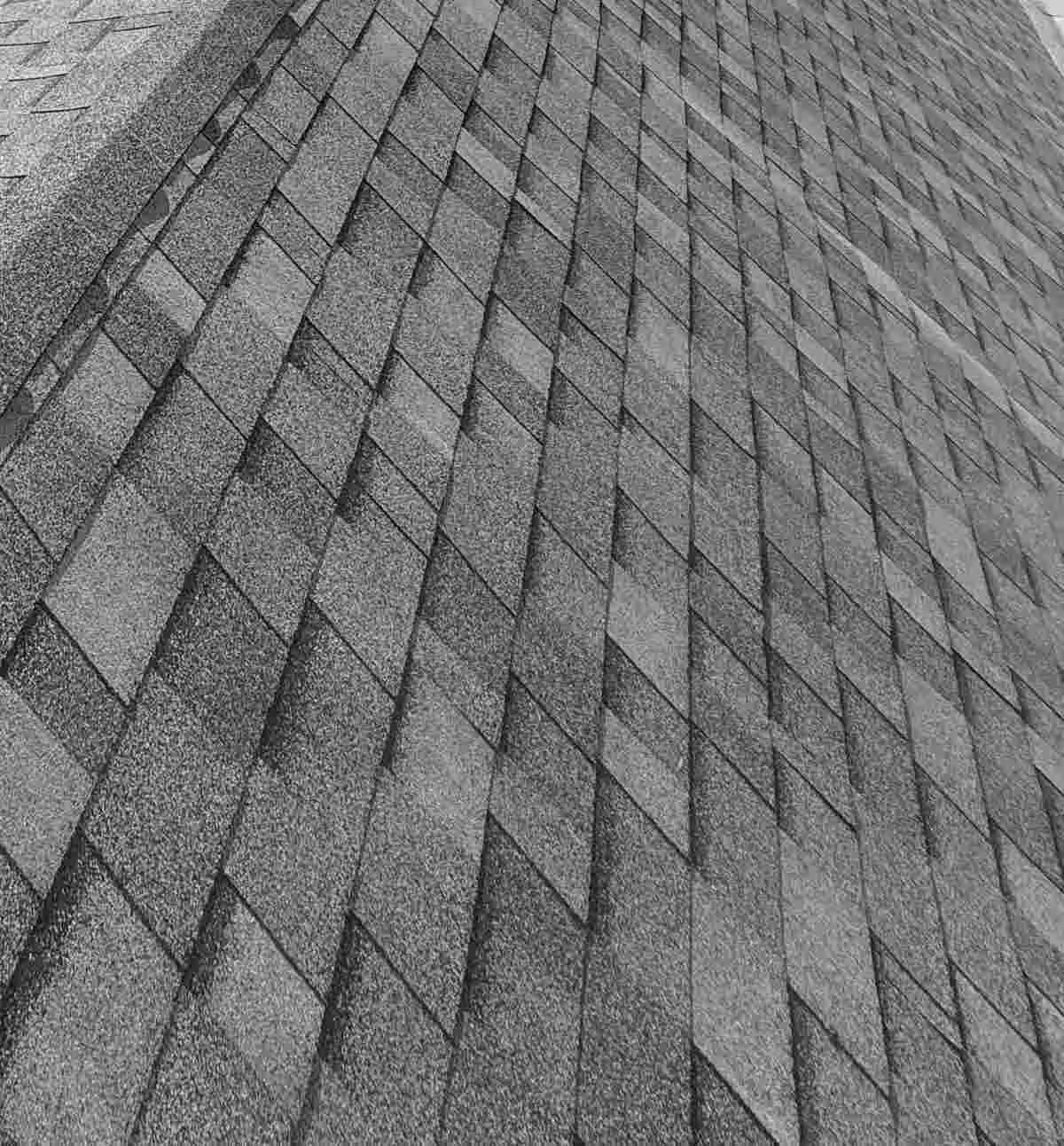
Roof age is the first thing most owners ask about, and it rarely tells the whole story. Two roofs installed in the same year can be in very different shape today. What matters more is the condition of the whole roof system above you.
Sunlight and heat work on a Los Angeles roof season after season, and rain adds to it. A covering can look fine from the street while flashing or underlayment fails below it. This guide shows how age, roof materials and upkeep fit together when you plan ahead.
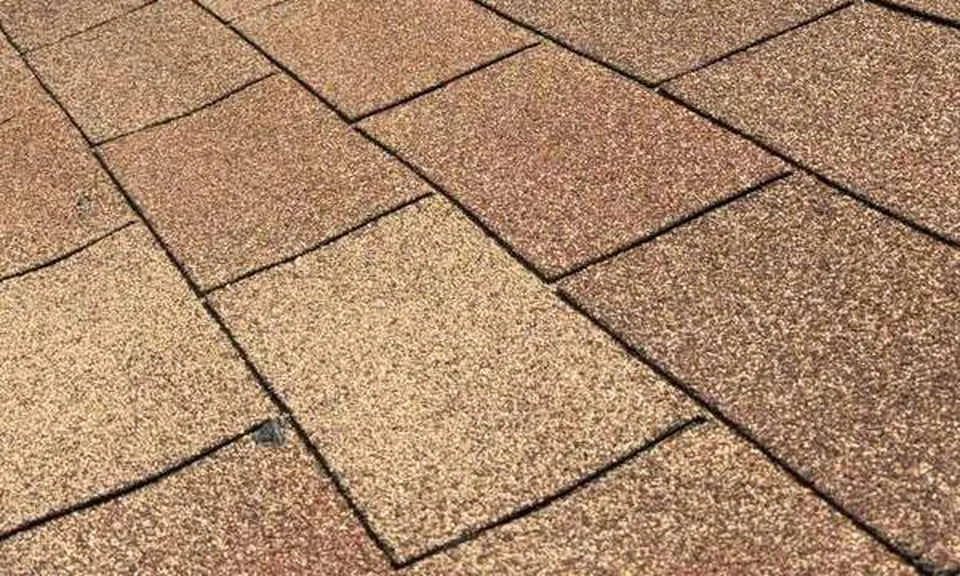
Age versus actual condition
There is no single lifespan for a Southern California roof. Published ranges help you plan, but the actual condition of your own roof decides the outcome.
Age alone does not tell you how much life a roof has left. GAF points out that asphalt shingles have no single expiration date. Weather, location, moisture, the manufacturer and hours of ultraviolet light all shape how one roof holds up.
GAF also lists broad ranges for each roofing material used on homes. Read the table below as a planning tool, not as a promise about any one roof.
Covering and underlying components
The covering, underlayment, decking and flashing each age at their own rate and fail in their own way.
A roof works as a system, not as one single product laid on top. The covering sheds most of the water, and the layers under it provide backup. One part can wear out while the rest of the roof still looks perfectly sound.
One tile industry guide notes that underlayment on a well-designed tile roof usually wears out before the tile. A strong covering can still sit above a tired layer below it.
Maintenance and exposure
Maintenance and exposure often matter more than the year the roof went on.
Steady upkeep keeps small problems from spreading across the whole roof system. GAF advises weighing age, damage, repair history and roof condition together before you decide what to do next. Small repairs made on time keep water out of the decking and the walls.
The same tile guide points to ultraviolet light, ponding water and trapped moisture as causes of faster wear. Rough handling during work on the roof can harm asphalt felt underlayment as well. Those factors describe how wear happens, not a countdown to a set year.
| Roof material | GAF guidance range |
|---|---|
| Three-tab asphalt shingles | 20 to 30 years |
| Architectural asphalt shingles | 30 to 50 years |
| Clay or concrete tile | 50 to 100 years |
| Flat roofs | 15 to 30 years |
| Metal | 40 to 70 years |
| Slate | 60 to 150 years |
| Wood shingles | About 30 years with good care |
Assembly and exposure factors
Slope, drainage and the layers under the covering drive how long a roof keeps working.
Slope shapes how water leaves the roof and how long each layer keeps performing. Steep-slope coverings shed water quickly, while low-slope roofs depend on drains and sound seams.
Guidance from a tile maker describes the underlayment as secondary protection beneath the covering. It keeps working when wind-driven rain or a broken tile lets water past the top. The right product still depends on the roof assembly, slope, code and job details.
Wear adds up quietly on the parts you cannot see from the ground. Current condition, slope, assembly and required local approvals all shape what makes sense next.
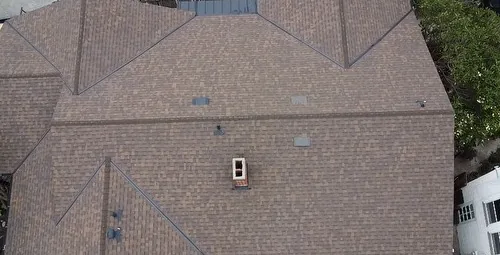
Commercial maintenance decisions
For building managers, the condition of the roof is a better guide than its age.
Managers plan around budgets, tenants and the way the building operates each day. Planning from what the roof actually shows fits that work better than a date on a chart.
The Metal Construction Association looked at one kind of low-slope metal roof. These unpainted standing-seam panels of 55% Al-Zn alloy-coated steel can pass 60 years. That holds with best practices, a similar setting and regular care, on that system only.
The same report says sealants, fasteners and other parts may need work before the panels do. It also calls for a regular inspection program so rust is caught early. Those findings belong to that one system, not to metal roofs in general.
Timing a commercial roof inspection with other building work keeps budgets and repairs in step. What the roof shows, not the calendar, should guide the next spending decision.
Residential roof decisions
What you can see on the roof, plus its repair history, tells you more than the installation year.
Most homeowners think about the roof after a stain appears or a storm passes through. Age gives you a starting point, while the roof itself gives much better answers.
Repair history matters, above all when the same area needs work again and again. Flashing at walls, chimneys and vents deserves as much attention as the covering above it. Gutters, valleys and downspouts show how well water actually leaves the roof.
Many owners start with a residential roof inspection before they set a budget. A close look at the actual roof turns guesswork into a short, useful list.
When an assessment helps
A closer look helps when warning signs appear, when budgets are due, or before a replacement.
Some parts of a roof simply cannot be judged from the ground below. A tile industry expert says underlayment condition is hard to know without seeing the roof. Evidence gathered on the roof must come before any conclusion about your building.
A free estimate is not the same as a detailed inspection or a written report. We keep those requests separate, so you always know what you are asking for.
Replacement plans in the city should include the permit side early. LADBS says roof replacements of any value fall under the applicable Los Angeles Green Building Code provisions. Those rules apply inside the City of Los Angeles, and nearby cities run their own programs.
Cool-roof products reflect sunlight and absorb less heat, and they come in several colors and styles. White color by itself is not a full answer on code compliance. The City points to rating council and city ordinance pages for checking a product.
Some signs on a building are worth a closer look instead of a wait-and-see approach. These signs usually mean the roof needs attention before more water gets inside.
- Ceilings or inside walls show fresh water stains in the days after a rainstorm.
- Shingles or tiles look cracked, curled, loose or missing across several parts of the roof.
- Granules washed from the shingles collect in the gutters and around the downspouts.
- Water stands on a low-slope roof for a long time after the rain has stopped.
- Flashing at walls, chimneys or vents looks loose, rusted or pulled away from the surface.
- The same small part of the roof needs another repair after each heavy rain.
Questions about roof age and condition
Does a roof need replacing as soon as it reaches its expected age?
Age by itself does not settle the question for any one building. GAF advises weighing age, damage, repair history and roof condition together. A cared-for older roof may keep serving, while a neglected younger one may not.