
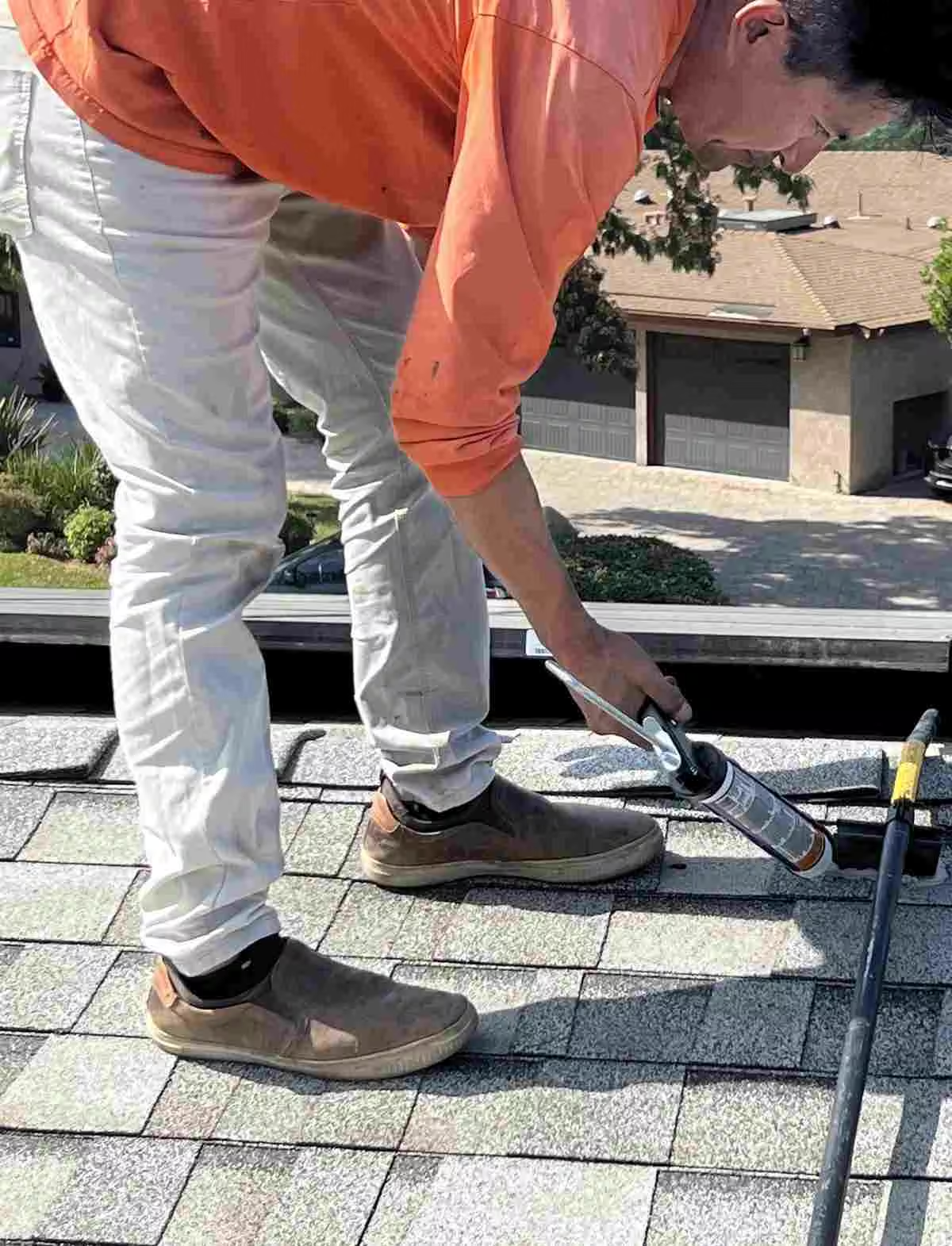
A roof inspection tells you what condition your roof is in right now. We look at houses and larger buildings across Los Angeles, and that work includes South Gate. Tell us what you need to decide, and we will plan the visit around that.
Some owners want a written record before a sale, while others suspect a hidden leak. A property manager may simply need a maintenance plan for the coming year. Each purpose changes what we examine and how we report the results.
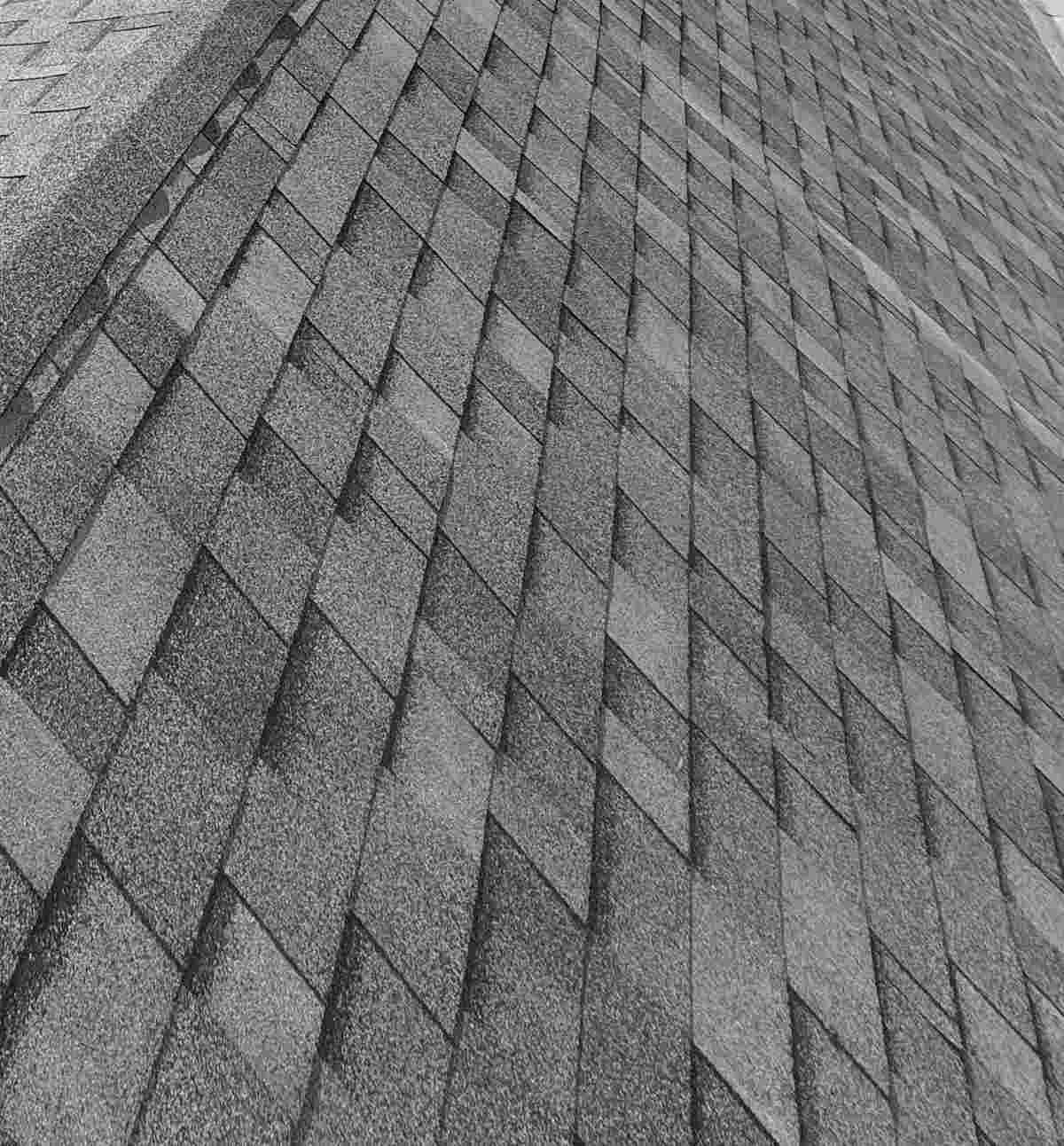
Reasons to book a roof inspection in South Gate
Most requests start with a decision, such as a sale, an insurer request or a leak.
A maintenance plan is one common reason for owners to bring in a roof inspector. Managers want to know what the roof needs this year and what can safely wait. The answer depends on the covering, the flashing and the joints around them.
A sale is another frequent trigger, because buyers and sellers want the same set of facts. Another common request comes from an insurer that requires an inspection of the roof. Each of those reasons changes what we look at and how we write it down.
Water coming through a ceiling brings its own urgency for any owner or manager. A leak rarely enters the building at the same spot where the stain shows up. Tile roofs also raise questions about the underlayment hidden below the tile surface.
Some owners simply want a clear starting record of the roof before planning anything else. That record makes later comparisons easier when a problem shows up a few years on. It also helps when several people share responsibility for the same building.
What property managers ask us first
Good questions at the start shorten the visit and make the findings easier to use.
We ask what kind of property you have and how much roof area it covers. We ask how the roof is reached, because access shapes a safe and useful visit. We also ask what you have seen already, such as stains, loose material or standing water.
Tell us if the building is occupied, since that changes how we plan the walk. We also ask whether anyone has worked on the roof recently and what they did. Past repairs often explain what we find around the flashing and the roof edges.
The next question is what you plan to do with the findings once they arrive. A manager building a budget needs different detail than an owner preparing for a buyer. For a single house, our residential roof inspection page explains how the visit is organized.
We keep notes from that conversation so the visit follows your priorities in order. If several buildings are involved, say so early so the visit is planned properly.
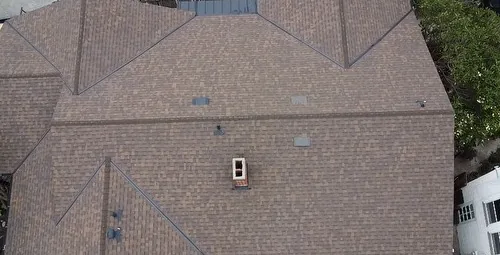
Inspection options for homes and commercial buildings
We handle residential and commercial visits, leak investigations, sale inspections and routine maintenance checks.
Our commercial roof inspection work suits larger buildings and owners planning maintenance through the year. Houses and small apartment buildings follow a similar approach on a smaller scale. The purpose of the visit, rather than the size of the roof, sets the detail.
When water is already coming inside, a focused leak inspection is often the better first step. We trace the water back from the stain toward the flashing, the valleys or other joints. At the roof-to-wall, chimney and valley transitions, it is the flashing that keeps water out.
If you are unsure which option fits, describe the problem and we will suggest one. Some visits are narrow in scope, while others cover the whole roof in detail. Give us the address and the property type so the right visit gets booked.
- Sale inspections give buyer and seller the same description of the roof condition.
- Maintenance checks suit owners who want to plan repairs before small problems spread.
- Leak investigations aim at the source instead of describing the entire roof surface.
- Tile questions usually come down to the underlayment sitting below the tile itself.
South Gate property and permit context
South Gate is an incorporated city in Los Angeles County with its own building authority.
That matters because a roof permit comes from the city where your building actually sits. It also shapes the paperwork you may want once the visit is finished. Our roof inspection reports page explains what a written set of findings can include.
Permits for roof work
We help owners request the roof permits their project requires from the city.
The Building and Safety department handles building permits, plan review and inspections for the city. Requirements change, so check your own project against the current city process before work starts. Neither the outcome of a permit application nor its timeline is something that we control.
ZIP areas inside the city limits
We cover the parts of 90280, 90255 and 90723 that fall inside South Gate.
Three postal ZIP areas overlap the South Gate city boundary: 90280, 90255 and 90723. Each of those ZIP areas also reaches past the city limits into nearby communities. Only the portion inside the boundary counts as a South Gate address for us.
If your ZIP is 90255 or 90723, give us the street address when you call. That lets us confirm the building sits in South Gate and not a neighboring city. Addresses in 90280 get the same check, because that ZIP crosses the boundary too.
Other cities sit close by, so the address settles which authority applies to your roof. We confirm that before booking a visit for any property near the city edge.
Findings, documentation and booking
After the visit we go through what we found and what it means for you.
We describe the condition of the covering and the flashing at each roof transition. Where the decking below is visible, we note how that surface appears to us. Repair or replacement can follow an inspection, but the assessment always comes first.
Findings are easier to act on when they are sorted by urgency instead of location. We point out which items look active and which ones can simply be watched.
A free estimate and a detailed inspection are two separate services with different results. An estimate covers possible work, while an inspection documents the roof as it stands. Tell us which outcome you need and we will confirm what the visit includes.
If repair or replacement follows, the findings become the starting point for that work. The inspection still stands on its own, and you decide what happens next.
The service areas page has the full list of other places we cover in the region. Our license is listed on the public state record as CSLB #1112525. Call (323) 508-2486 or use the contact page to book a roof inspection in South Gate.
Common roof inspection questions
Why do I keep getting calls about roof inspections?
We only visit a roof after the owner, buyer or manager asks us to look. A call you never requested is one you can simply turn down. You can also look up any roofing license on the state's public record.
My insurer asked for a roof inspection. Do you handle the claim?
We inspect the roof and write down what we find on the day. Claim handling is a separate process, and it is not something we manage for you. Share what your insurer asked for, and the visit will be planned around that request.
Can the tiles be reused if the underlayment has to be replaced?
Existing tiles are often lifted so the underlayment beneath them can be replaced. Tiles that come off in sound condition are usually set back in place afterward. The inspection notes which pieces look damaged and which ones still look usable.
Do I need a written report, or is a verbal summary enough?
A verbal walk-through answers your immediate questions while we are still at the property. A written report gives you something to keep and to hand to other people involved. Say which one you need first, because the visit is planned around that choice.