
Owners and property managers in Los Angeles often ask which roof material is best for Southern California. There is no single best roof, because each building starts from a different condition. The answer depends on slope, weight, sun exposure and the rules that apply to your project.
We look at the covering, underlayment, deck and flashing before anyone talks about products. Each part does a different job, and each one affects what you can install next. This article covers what to weigh once a new roof becomes a real option.
Choosing Against Your Project Constraints
Start with slope, structure and local rules, then let those limits narrow the material list.
A new covering has to suit the slope, framing and roof you already have. Slope controls which systems can shed water safely on a given roof. Weight decides whether the framing can carry a heavier roof without changes.
Local approvals shape the choice well before any product is ordered. LADBS states that roof replacements of any value fall under the applicable Los Angeles Green Building Code provisions. Those provisions differ for homes and for other kinds of buildings.
Comparison tools become useful once those limits are clear. California's CoolCalifornia program offers a roof product comparison resource for that step. GAF says age, damage, repair history and roof condition should be weighed together.
Commercial Low-Slope Options
Low-slope roofs are judged by the whole assembly, not by the covering name alone.
A low-slope roof sheds water slowly, so seams, flashing and drainage details do the hard work. A covering that works well on a steep roof may not suit a flat deck. Slope is the first filter on any commercial material list.
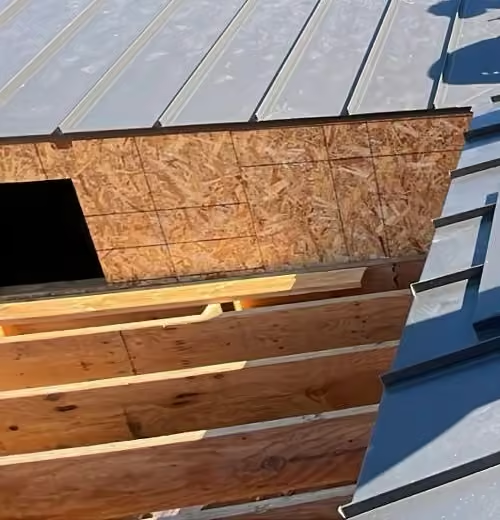
Standing-seam metal is one low-slope choice with study data behind it. The Metal Construction Association studied unpainted 55% Al-Zn alloy-coated steel standing-seam roofs. MCA reports that a similar roof built with best practices can be expected to exceed 60 years.
That figure assumes a like setting, sound sealants and fasteners, and regular inspection. MCA also reports that other parts of the system can need repair before the panels do. Panel life and whole system life are not the same thing.
Before we compare membranes or panels, we check how the current assembly is performing. A flat roof inspection shows where water sits and which details need work.
Pitched Residential Options
Pitched roofs allow more coverings, but weight, upkeep and the layers beneath still decide results.
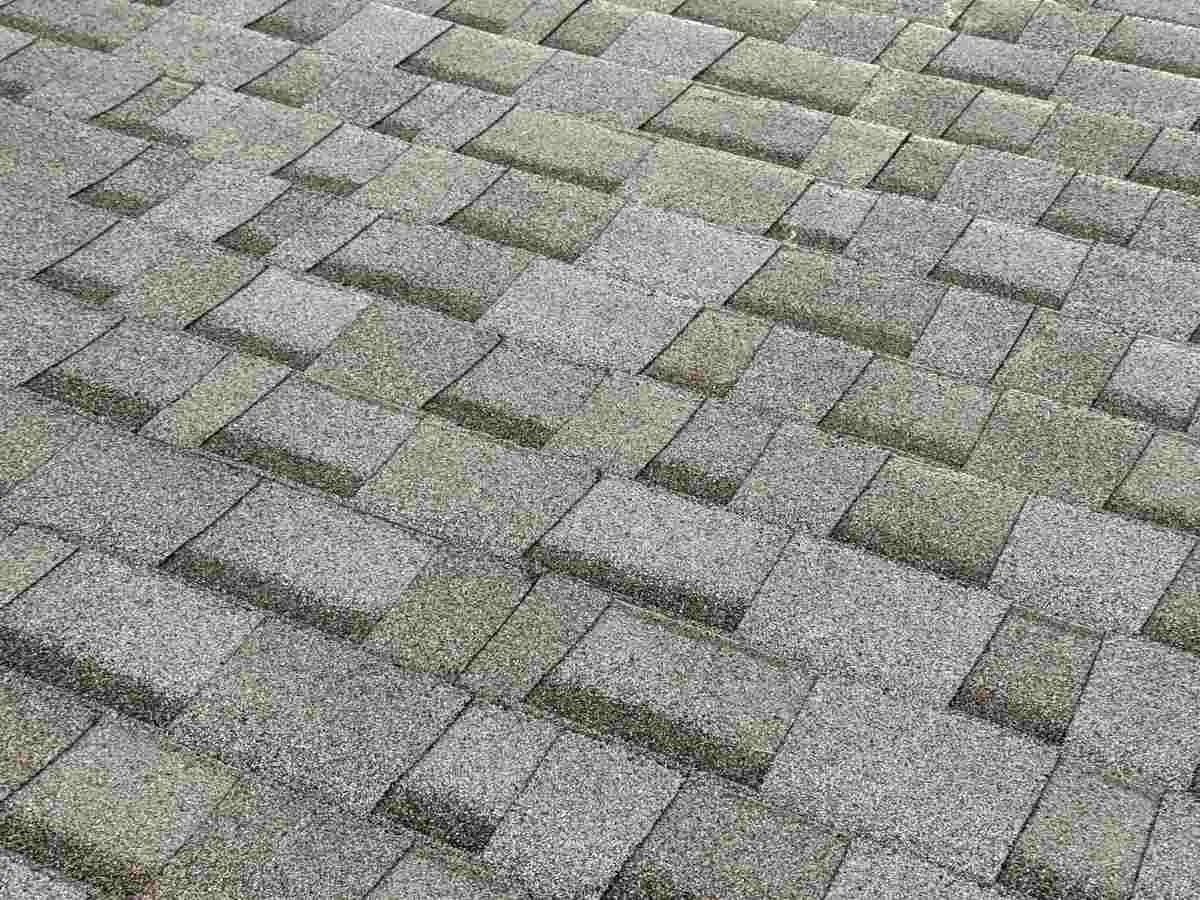
A pitched roof moves water off fast, so shingles, tile and metal all stay in play. The choice then turns on weight, upkeep and fit with the frame you have.
GAF publishes broad guidance ranges for how long home roof coverings tend to last. Those ranges describe typical products, not a survey of roofs in Los Angeles. Climate, installation and upkeep still change the outcome on any one house.
Slope, weight and condition change from house to house across the city. A residential roof inspection gives us the facts we need before a material is chosen.
Tile and the Layer Beneath It
Tile can last a long time, but its underlayment and flashing age on their own schedule.
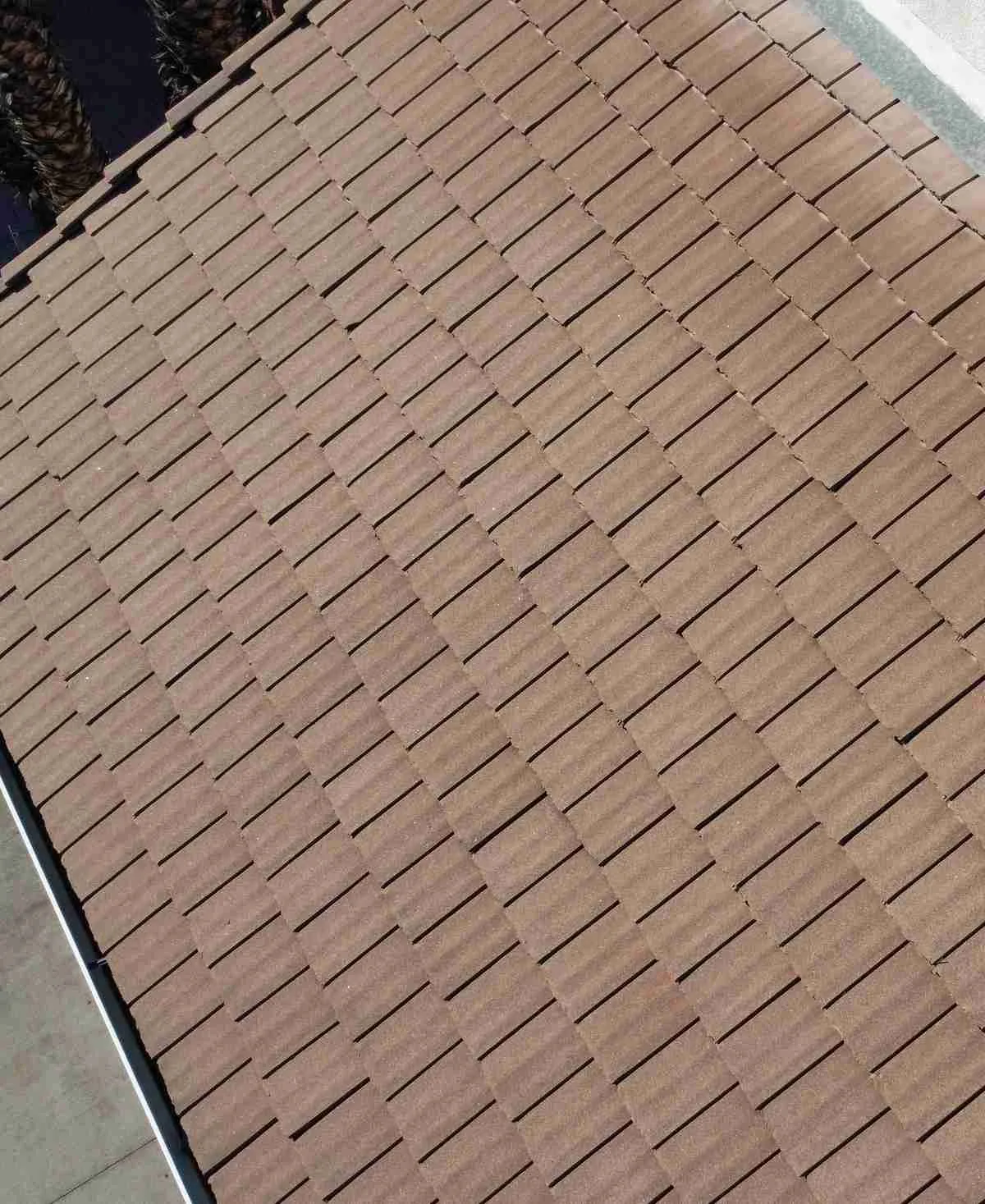
The Tile Roofing Industry Alliance says clay and concrete tile can last 50 to 100 years or more. TRIA also says most tile manufacturers offer warranties of 50 years or more.
A warranty belongs to a named product and its own terms, not to service life. Tile also does not carry the roof by itself. Westlake describes tile underlayment as a weather guard and secondary protection beneath the tile.
That layer matters when wind-driven rain pushes water past a broken tile. Underlayment, flashing and covering do not all age at the same rate.
| Covering | GAF guidance range (years) |
|---|---|
| Three-tab asphalt shingles | 20 to 30 |
| Architectural asphalt shingles | 30 to 50 |
| Clay or concrete tile | 50 to 100 |
| Flat roof assemblies | 15 to 30 |
| Metal | 40 to 70 |
| Slate | 60 to 150 |
| Wood shingles | About 30 with good care |
Heat, Weight and Maintenance
Sun, weight and upkeep are three practical filters that narrow a material list quickly.
Los Angeles roofs take strong sun through much of the year. LADBS explains that cool-roof products reflect sunlight and take in less heat. Color alone does not settle the question, so the exact product still has to be checked.
The Cool Roof Rating Council keeps a rated roof products directory for that check. Match the exact product, since a whole material category may not qualify. A listing there is not an inspection, a workmanship promise or a permit approval.
Weight is the next filter, and it is a structural question. Heavier coverings such as tile and slate put more load on framing and decking. Capacity is not something an owner should judge from the ground.
Upkeep often separates two choices that otherwise look much alike on paper. MCA recommends a regular inspection program for the metal system it studied, so problems surface early. On a larger building, a commercial roof inspection supports that kind of regular check.
Local Reroof Planning
Confirm the rules and the roof's condition first, then pick the covering that fits both.
Reroof planning in Los Angeles starts with the rules that apply to your permit. LADBS links City ordinance and FAQ pages, plus the rating council, as ways to verify.
Nearby cities set their own rules, so we keep this guidance to Los Angeles buildings. Confirm the requirements for the city where the building actually sits.
A free estimate is not the same as a detailed inspection or a written report. Those are separate requests, and we explain what each one covers when you ask.
A low-slope reroof needs drainage and edge details settled early in the job. Starting with a flat roof assessment shows how the deck and drains are performing now. The material list narrows on its own once those facts are clear.