
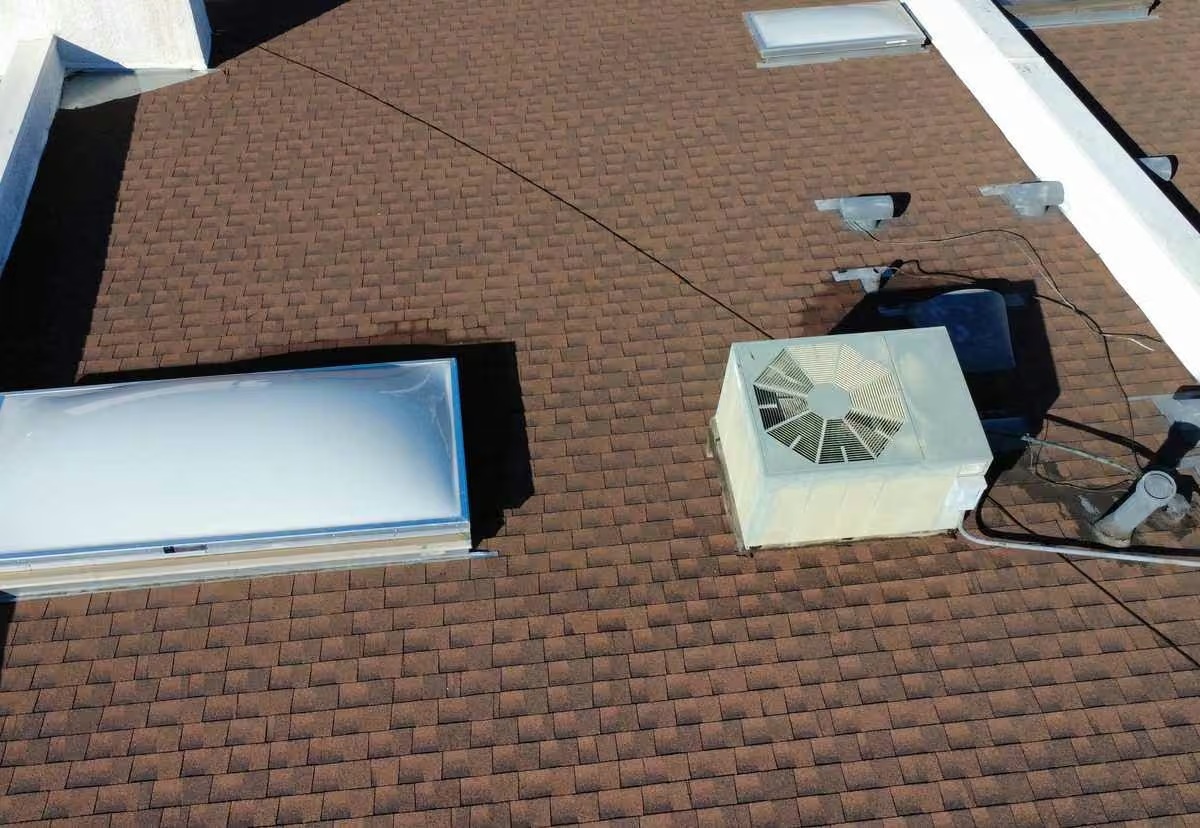
Wind, heavy rain and flying debris can change a roof in a single night. A storm damage roof inspection in Los Angeles shows you what the weather left behind. We look at the covering, the flashing and the drainage paths for visible trouble.
Our team inspects homes and commercial buildings, and we explain each finding in plain language. Written notes and photos help you understand the condition of your own roof. You can also ask what a roof visit involves before you book anything.
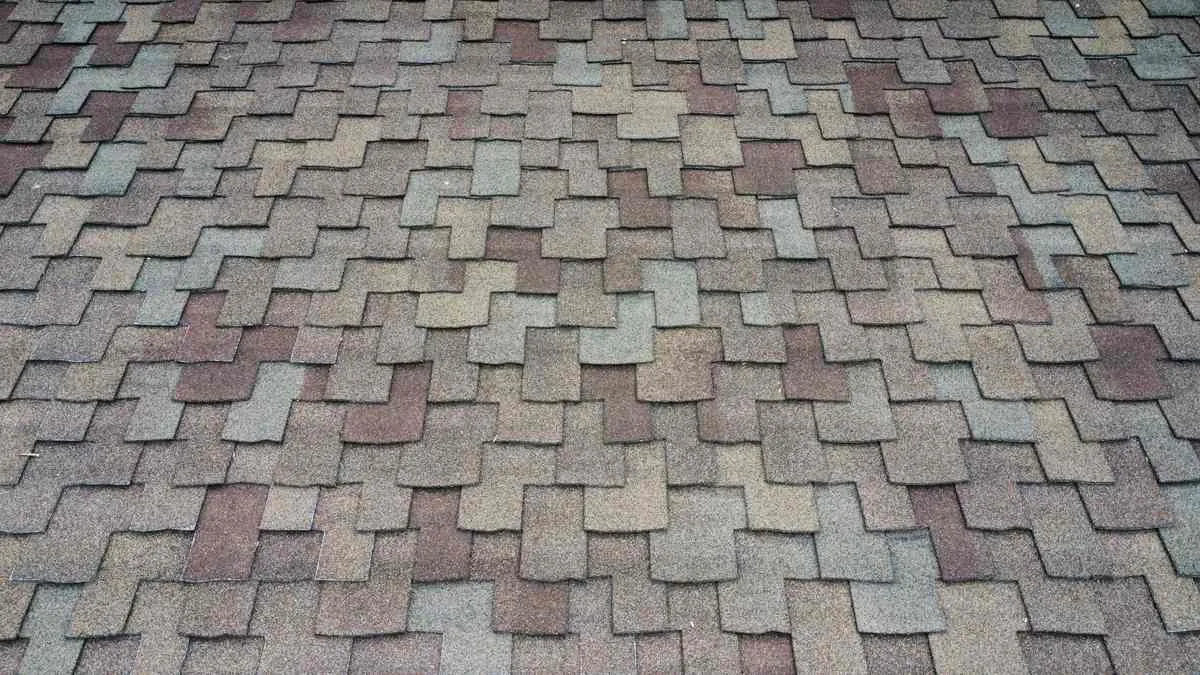
Why Inspect a Roof After a Storm
A storm gives you a reason to check the roof, not proof of damage.
Some roofs come through wind and rain without any real harm at all. Others lose granules, lift along the edges or start leaking at a seam. A close look tells you which situation you are actually dealing with.
Age, earlier repairs and everyday wear all shape how a roof handles heavy weather. We inspect the whole surface so you are not guessing about one worrying spot. That full picture helps you separate urgent problems from items that can wait.
What Wind and Rain Leave Behind
Storm symptoms are visible clues, and we record them without guessing at the cause.
Wind pressure usually shows first at edges, ridges and corners where lift is strongest. Flying branches can crack tile or break a section of the covering. We note the pattern we see rather than naming a storm as the cause.
Low-slope roofs hold water longer than steep ones, so drainage matters after heavy rain. We check drains, seams and any spot where water sits too long. Blocked outlets can turn an ordinary storm into an indoor problem.
Rain often exposes tired seams, blocked drains and weak flashing joints. A stain on the ceiling seldom appears where the water got in. When water is already inside, a roof leak inspection can trace the likely path.
During a storm damage inspection we pay attention to a few common signs:
- Missing, creased or lifted shingles near edges and ridges
- Cracked or slipped tile and loose or bent flashing
- Debris sitting in valleys, gutters and roof drains
- Fresh water stains on ceilings, walls or the deck underside
Safe Access and Clear Documentation
We handle roof access and record conditions with written notes and photographs.
A wet or storm-hit roof is a poor place for anyone to walk. Our inspectors manage the access, so you can stay safely on the ground. We avoid areas that look unstable and note why we could not reach them.
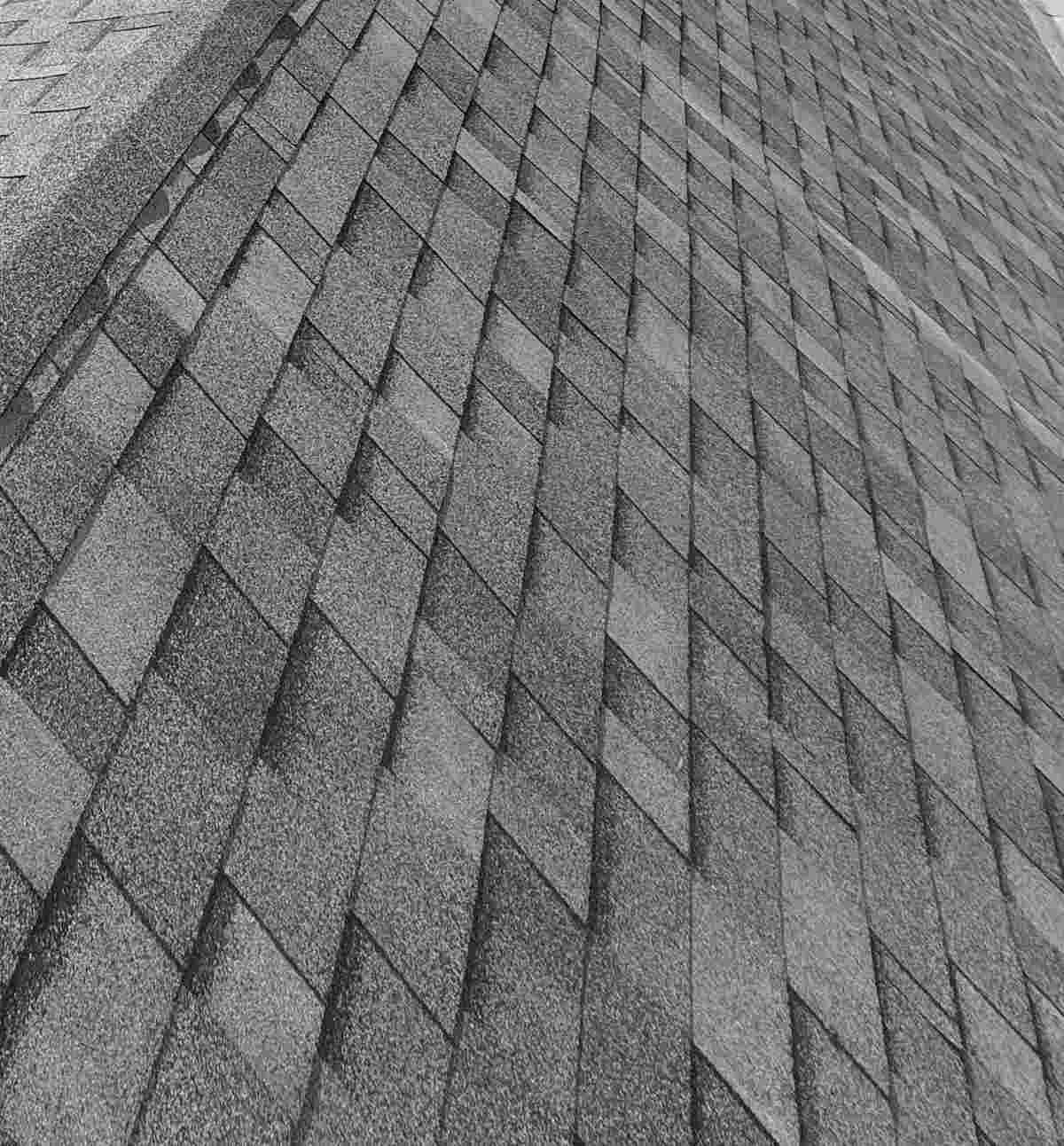
We photograph the areas we can view safely and describe what each image shows. Clear notes let you see the same conditions we found on the roof. If you need something in writing, our roof inspection reports page explains the choices.
Photographs give you a record you can share with a contractor or property manager. Roof conditions change with each storm, so an early record stays useful later.
Findings and the Work That Follows
We explain what we found, then talk about repairs only when the condition calls for it.
After the visit we go through the findings with you in plain language. Roof condition and insurance coverage are two separate questions. We do not handle claims or decide what any policy will pay.
Small problems often need one focused repair, while wider damage needs a broader plan. Our roof damage inspection page covers assessments that reach beyond a single storm. Repair or replacement can follow once everyone understands the real condition.
When your project needs a permit, we help owners work with the city's building department. We cannot promise how long a review takes or how it will turn out.
Where We Inspect Around Los Angeles
We cover neighborhoods across the city, including Mar Vista, Rancho Park and Century City.
We inspect roofs across the city, including Mar Vista in 90066 and Rancho Park in 90064. Century City addresses in 90067 fall inside our regular service area as well. Postal areas and neighborhood lines rarely match exactly, so we serve the portions inside Los Angeles.
Every property is different, and a neighbor's roof tells you little about your own. We work under CSLB #1112525 and answer questions before anything is scheduled. Call (323) 508-2486 or use our contact page to set up a roof visit.
Storm Damage Roof Inspection Questions
How soon should I schedule a roof inspection after a storm?
Book once the weather has cleared and the site is safe to reach. Waiting lets a small leak soak insulation, framing and finished ceilings. An early check also helps you plan before more rain arrives.
Is a storm damage roof inspection the same as a free estimate?
No, an inspection and an estimate are not the same. A free estimate is a quote for proposed work. Detailed inspections and written reports are separate services, each with a defined scope.
What can I miss by looking at my roof only from the ground?
Ground level hides ridges, valleys, flashing details and most of the roof surface. Problems often start where two surfaces meet or where water changes direction. An inspection reaches the places you simply cannot see from below.
Can existing tile be reused if the underlayment needs replacing?
Often yes, since tiles can be lifted for underlayment replacement and then reset where suitable. The underlayment sits beneath the tile and is not visible from the ground. We check its condition where access allows.