
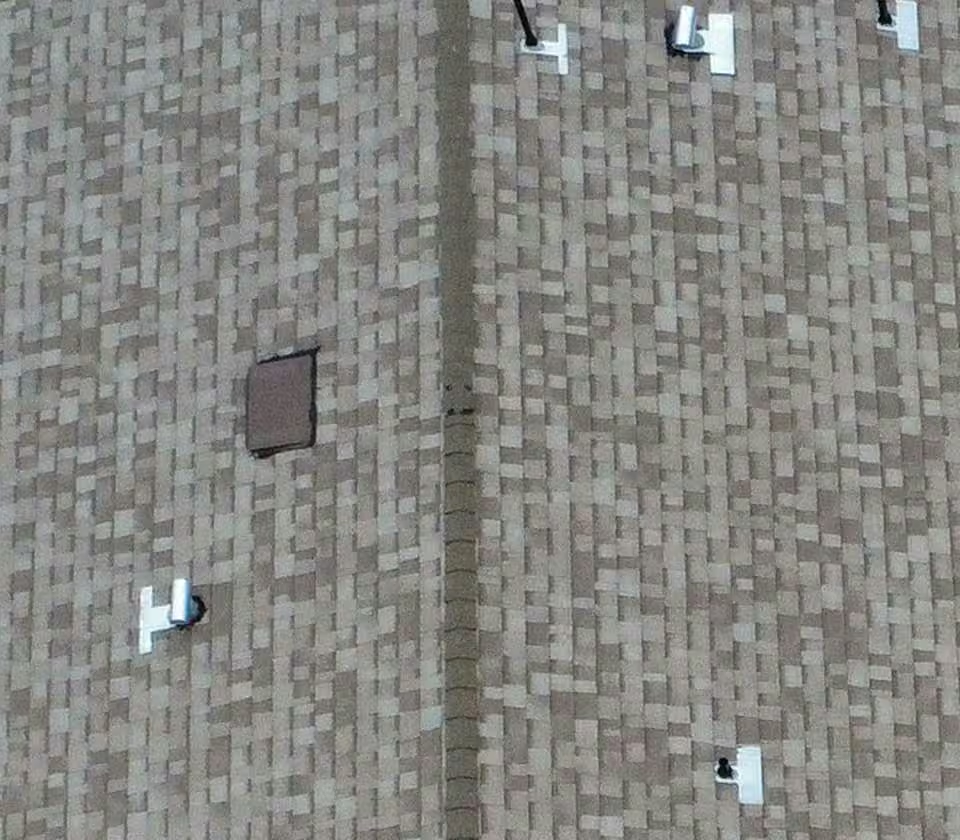
We start every roof damage inspection in Los Angeles with visible conditions, not a guess about the cause. Most owners call us when shingles come loose or a water stain shows up indoors. We inspect each area of the roof and explain what those findings mean.
Wind, age, and an earlier poor repair can all look alike from the ground. Our job is to separate what the roof clearly shows from what remains unresolved. Call (323) 508-2486 to arrange a roof damage inspection.
Where a damage inspection starts
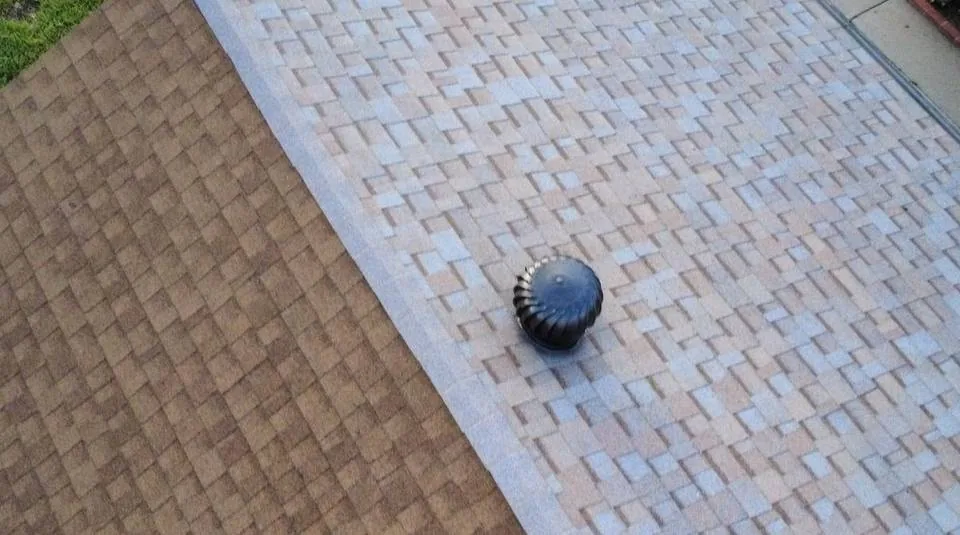
We begin with the visible damage, then check nearby roof areas for related signs.
Most calls begin with a single visible symptom, like a ceiling stain or a displaced tile. We start at that location and work outward across every slope of the roof. The purpose is to establish the actual condition of the roof, not to confirm a hunch.
Some owners call before a sale, and others call because an insurer requested an inspection. A few simply want a condition check after several years without any roof maintenance. We approach each of these requests the same way once we are on the roof.
A free estimate is not the same service as a detailed inspection or a written report. We explain which of the two answers your question before any visit is scheduled.
We answer damage calls across the city, from Palms in the 90034 area to Mar Vista in 90066. Rancho Park and the nearby 90064 area sit on the same Westside stretch. A ZIP area can cross a city line, so we serve the portions inside Los Angeles.
What counts as condition evidence
Condition evidence is what we can observe and record, not what we assume about the cause.
We document what is visible: cracked tiles, worn shingles, open seams, or standing water. Every note is tied to a specific location on the roof, slope, or drainage line. That record becomes the basis for every judgment we make about the roof.
Some problems hide beneath the covering, and wet decking may show nothing from above. We say plainly when a finding cannot be confirmed by a visual inspection alone. Guessing at a cause helps nobody and can lead to the wrong repair.
Cause matters more when the damage points to one event, such as a windstorm. If that matches your situation, a storm damage roof inspection covers those narrower questions.
Damage by roof part
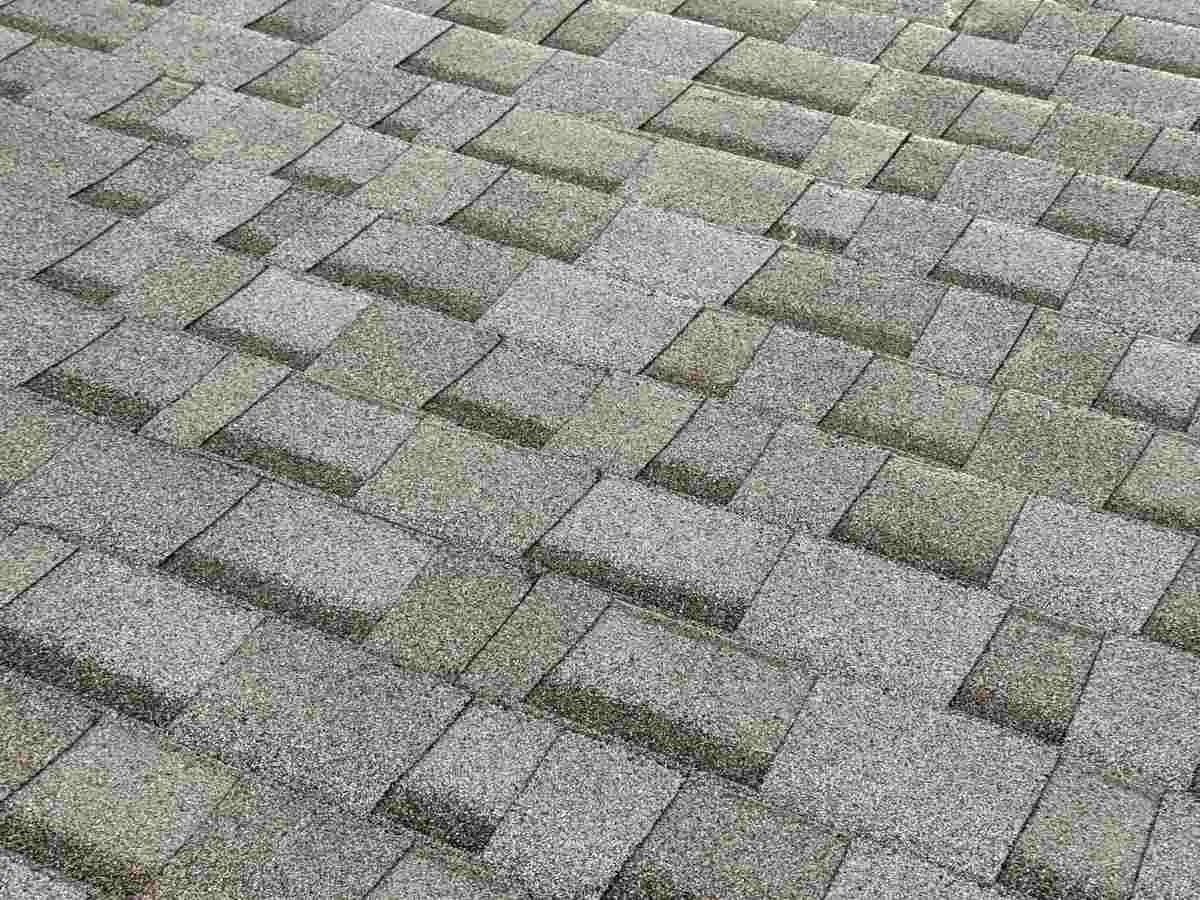
We group findings by covering, flashing, and drainage so the picture is easy to follow.
Roof damage rarely stays in one place, so we sort the findings by component. That structure keeps the picture clear when you compare your options later.
Covering and underlayment
The covering and the layers beneath it show how far the damage actually reaches.
The covering meets the weather first, so we check it for wear, breaks, and missing pieces. Underlayment lies beneath tile or shingle and stays hidden from the surface. Decking sits under both layers and supports the covering across the whole roof.
Flashing and transitions
Flashing joints are the places where water most often finds a way inside.
Wall, chimney, and valley transitions depend on flashing to keep water out. These joints are common trouble spots, and small gaps let water travel a long distance. When the signs appear inside the home, a roof leak inspection is the better starting point.
Drainage and roof edges
Blocked or damaged drainage keeps water on the roof far longer than it should stay.
Water needs a clear path off the roof and away from the exterior walls. We inspect gutters, valleys, and edges for blockage, slope problems, and loose components. Dents or bruised granules raise different questions, and a hail damage roof inspection covers that ground.
Your report and the next decision
We can put the findings in writing, then discuss what the results mean for you.
After the visit, we review each finding with you and explain what it means. If you need documentation, our roof inspection reports page describes that service in more detail.
A report states what we observed on the roof during that visit. It does not determine how another party will read or weigh those findings. We keep the wording plain so you can use it in your own discussions.
Repair or replacement can follow when the findings clearly call for that work. If the project needs a permit, we help you work with the Los Angeles Department of Building and Safety.
CSLB #1112525. To schedule an inspection or ask a question first, reach us through our contact page.
Roof damage inspection questions
Do you inspect commercial roofs as well as homes?
Yes, we handle both residential and commercial requests. Managers often book a check as part of a maintenance plan.
Can the underlayment be checked without losing the tile?
Existing tiles can be lifted so the underlayment beneath them is replaced. Tiles that are still suitable are set back in place.
My insurer asked for an inspection. Do you handle the claim?
No. An insurer-required inspection is not claim handling, so the claim itself stays between you and your insurer.
Will the follow-up work need a city permit?
Many roofing jobs do, and we help owners with the permits a project needs. The city decides on approval and timing, not us.