
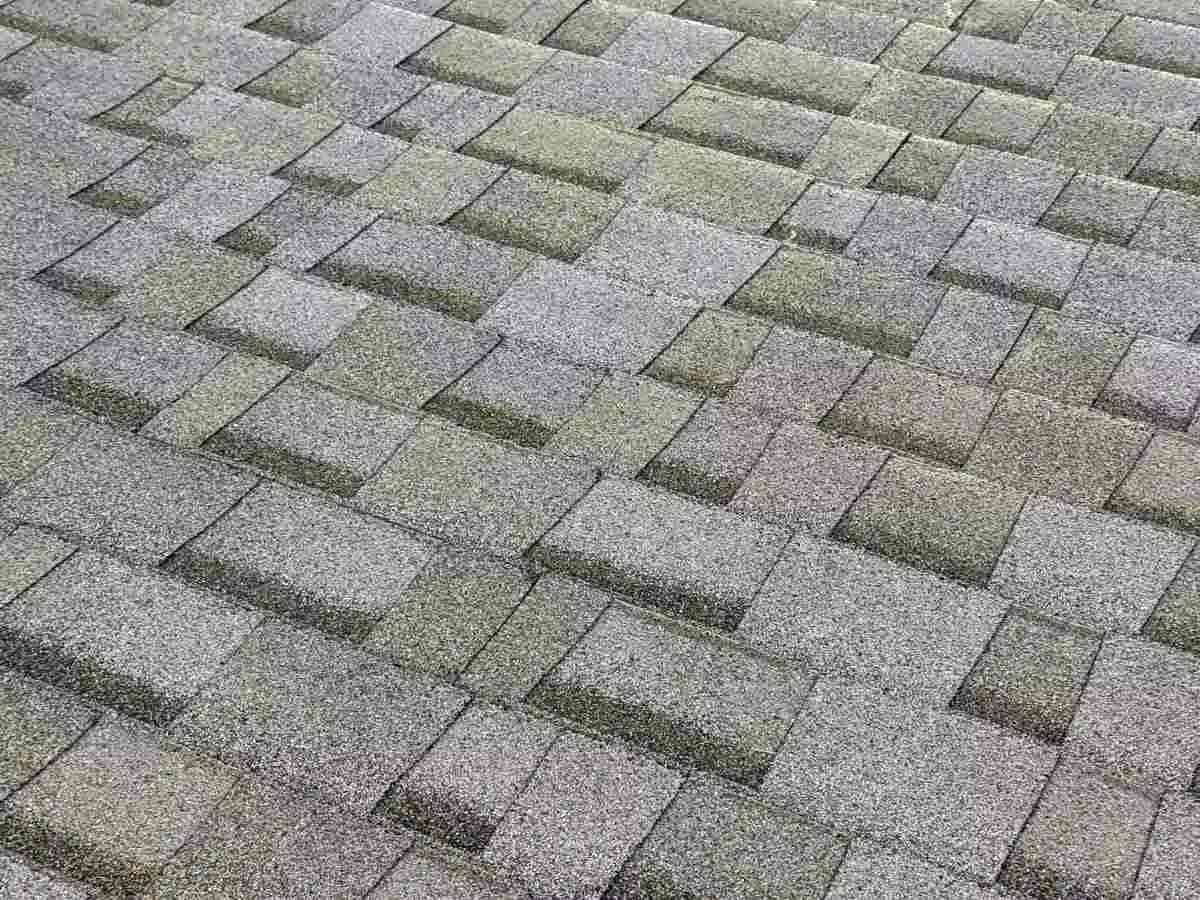
When hail is reported after a storm, owners want to know whether the roof was damaged. A roof can look sound from the street while hiding loose granules, cracked tile or open seams. An honest answer comes only from a close look at the covering, flashing and metal edges.
We inspect roofs across Los Angeles and write down the conditions we can see and reach. After reported hail, we check the shingle or tile surface, the flashing and the exposed metal edges. What those areas show us guides the repair choices you may need to make next.
What owners notice after reported hail
Reported hail sends people up to the roof with questions, and surface signs alone rarely settle them.
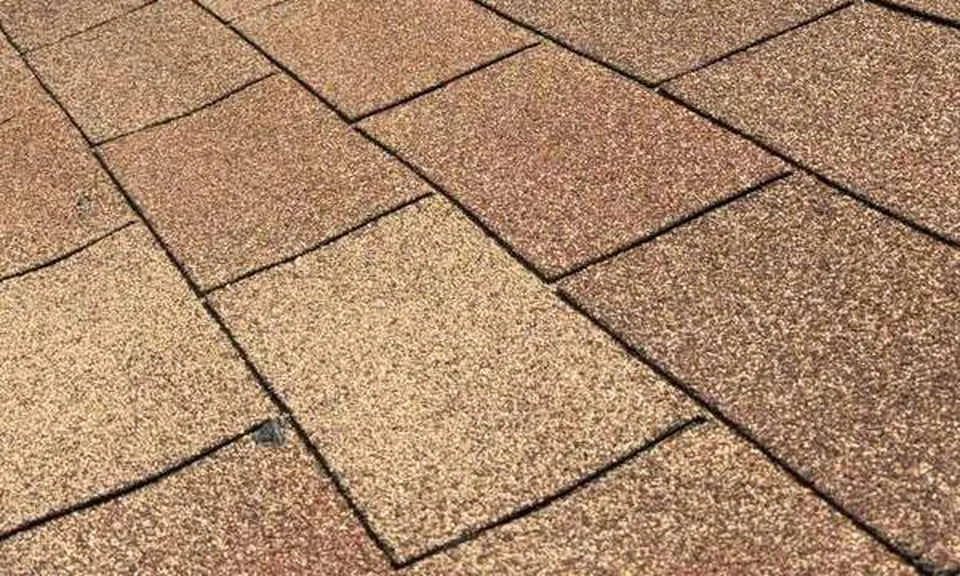
You may have noticed small dents on a metal vent, or loose granules in the gutter. Those signs deserve a look, though by themselves they do not prove that hail caused them.
Sunlight, normal aging and foot traffic can leave surface marks that look much like hail damage. So we begin with the evidence the roof shows us today, not with the storm report.
We serve the Los Angeles market, including Rancho Park in 90064 and Century City in 90067. Brentwood sits in 90049.
Each postal code covers several pockets of the city, and only the portions inside Los Angeles apply. Roof systems also differ from house to house, even along the same block or street. So we look at your roof before we describe its condition or suggest any repair.
Hail damage evidence and other likely causes
Hail marks and ordinary wear can look alike, so we weigh the roof against other likely causes.
Hail can bruise a shingle, knock granules loose or dent the softer metal on vents and edges. Wind, falling branches, heat and simple age can leave marks that look much the same. That overlap is the reason a close look beats any guess made from the ground.
If the real cause is wear, an untreated leak or an older defect, the repair changes. A broader roof damage inspection then tells you more about the condition of the whole roof. We would rather name the actual cause than blame the weather for normal wear.
We work across the roof in a set order and record what each area shows us.
- Shingle or tile surface, including loose granules and cracked pieces
- Flashing at roof-to-wall joints, chimneys and valleys
- Vents, edges and other metal that dents easily
- Decking under the covering, where we can reach it
- Underlayment below tile or shingle, when a closer look is needed
What a roof assessment cannot settle
We describe the roof conditions we can observe, and we avoid judgments that are not ours to make.
Every roof check has limits, and we would rather state them plainly than gloss over them. We can describe dents, cracks, worn spots and open seams that we can see and reach. We cannot tell you the exact day a given mark first appeared on the roof.
Parts of a roof stay hidden under tile, gravel or an older layer of covering. Weather, steep slope and safety can also cut a roof visit shorter than planned. When that happens, we say so rather than filling the gap with a guess.
Our work stops at the roof condition itself, and we do not decide what follows. If you want the findings in writing, our roof inspection reports page explains how that works.
Written findings and next steps
We explain the findings in plain terms and lay out your choices, including repair when the roof needs it.
After the visit, we review what we observed and what it means for your roof. Some roofs need nothing beyond routine maintenance and another look after the next heavy storm. Others need a single repair, or a longer plan for one slope or the full roof.
We keep the written findings tied to what we observed on your roof that day. That means clear notes on the spots that need work and on the areas that looked sound.
Where the roof needs work, repair or replacement can follow the assessment. That step also calls for the required roofing permits, and we help owners with them. Approval rests with the city, not with us, and we cannot promise an outcome.
Hail is only one storm concern, and wind or heavy rain can leave their own marks. Our storm damage roof inspection page covers that wider check across the whole roof. Pick the page that matches what you saw after the weather passed through.
To arrange a look at your roof, call (323) 508-2486 or use our contact page. We work under CSLB #1112525, and we will explain what the visit covers.
Common questions about hail damage roof inspections
Is a free estimate the same as a roof inspection?
A free estimate is a price quote for work you may decide to have done. A detailed inspection and a written report are separate services with a different purpose.
Why would an insurer ask for a roof inspection?
Some insurers ask owners for a current description of the roof condition. That request concerns the roof itself, and it does not mean we handle any claim.
Can you look under my tiles without a new roof?
Often yes, because existing tiles can be lifted while the underlayment beneath them is replaced. Tiles still in sound condition then go back into place on the roof.
Do you inspect commercial roofs as well as homes?
Yes, we inspect commercial buildings as well as homes throughout the Los Angeles market. Owners often ask about maintenance planning, buyer or seller checks, leaks and existing tile.