

Tile roofs cover many houses across Los Angeles, and most of them look solid from the street. Damage usually hides under the tile, near wall flashing, and inside the valleys. A tile roof inspection separates what you can see from what stays hidden below.
We check the tile, the flashing, and any signs of water damage inside the house. Our goal is a clear picture of the roof condition, plus useful notes on visible problems. This page covers what we examine on a tile roof, and where the practical limits sit.
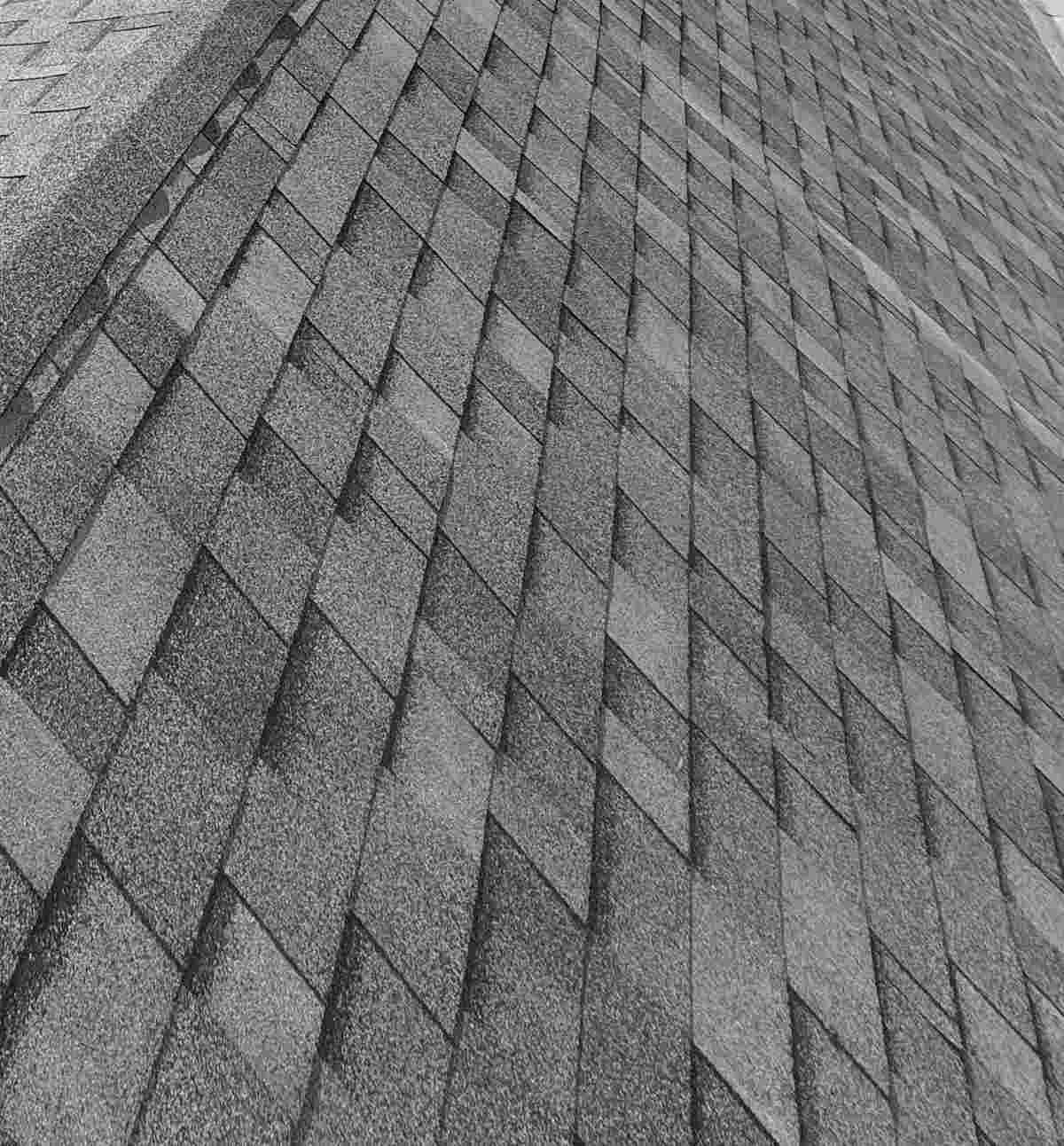
Tiles and the roof assembly
Tile is the top layer of a roof system that also includes underlayment, decking, and flashing.
The tile is the visible layer, but the assembly beneath it matters just as much. Underlayment lies just below the tile, and the wood decking carries the load under it. Valleys, chimney sides, and roof-to-wall junctions all depend on flashing to stay watertight.
The underlayment acts as the water barrier that does the quiet work under the tile. Rain runs off the tile first, and anything that slips through lands on the underlayment. When that barrier fails, water can reach the decking and then the rooms below.
A tile roof can shed water well while the underlayment below it wears out. So we examine the tile and the hidden layers under it as a single system. On some projects the tile is lifted, the underlayment is replaced, and suitable tile goes back on.
Knowing which layer failed shapes the repair options we discuss with the owner.
Visible tile damage and details
We look for cracked, broken, or slipped tile, plus worn flashing and debris inside the valleys.
From safe positions on and around the roof, we examine the tile field and its details. Small cracks and shifted pieces often appear near edges, mortar joints, and drainage paths.
The open field of tile is only part of the picture, because the details often matter more. Water collects where roof planes meet, so those transitions get extra attention. Cracked mortar, loose ridge pieces, and rusted metal all belong in that group.
A shifted or broken tile does not always mean water is entering the house. The underlayment below may still be holding, and that is the question we try to settle. When a ceiling stain has already appeared, a roof leak inspection is the better first step.
- Cracked, broken, or slipped tile
- Ridge and hip lines
- Valleys that hold leaves and debris
- Flashing at walls, chimneys, and roof-to-wall joints
- Stains or damp spots seen inside the home
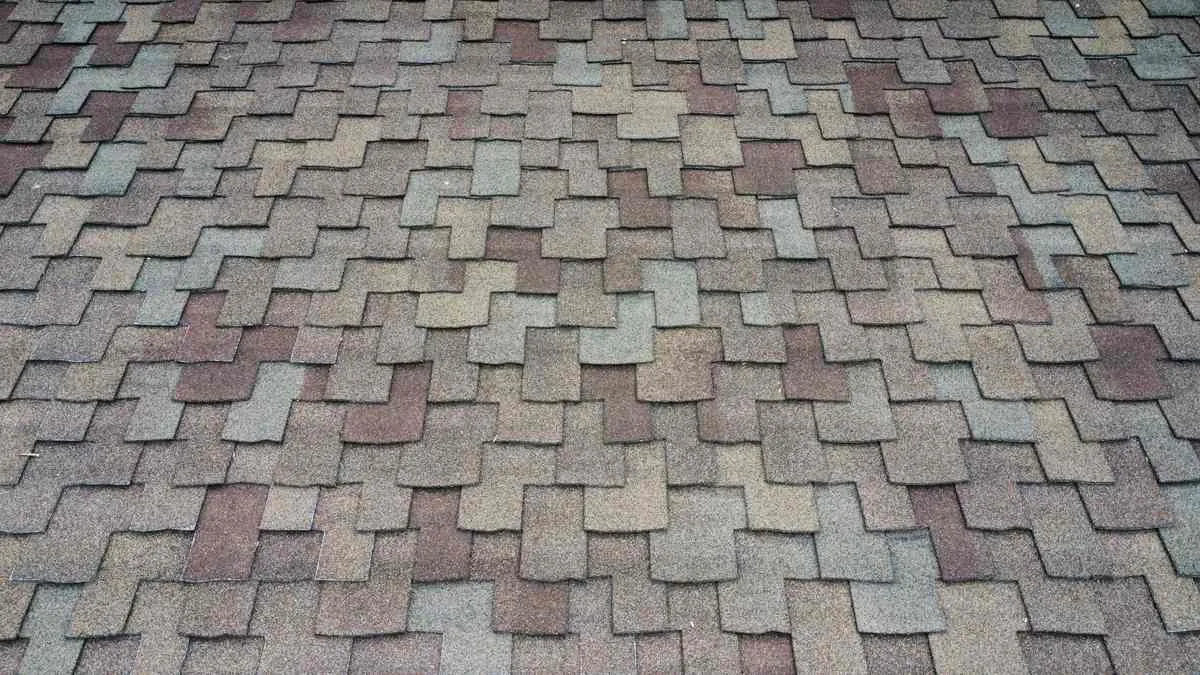
Access and concealed layers
Access varies by roof, and most of the underlayment and decking stays out of sight.
Some tile roofs can be walked safely, while others crack under ordinary foot traffic. Slope, tile profile, and safe ladder positioning all shape how much surface we can reach. Where walking is unsafe, we inspect from the edges, from ladders, and from ground level.
Tile can be brittle, so a careless step may produce the very damage an inspection should find. Access is a judgment call on every roof, based on the conditions that day. We would rather report an access limit than trade one problem for another.
Lifting tile across a roof is not a routine part of an inspection visit. So most of the underlayment and decking remain hidden while we work. Where an attic is reachable, moisture stains on the decking can add to the picture.
We record which areas we reached and which areas stayed beyond safe access. If you want the results written down, ask about our roof inspection reports.
Findings and next steps
We review the findings with you and recommend a next step that suits the roof condition.
We walk you through the findings in plain language before we leave the property. Some results call for a closer look at one area, rather than work across the whole roof. A worn section near a chimney does not prove that the entire roof needs replacement.
Priorities help when a roof shows more than one problem at the same time. We separate items that need prompt attention from ones that can be watched. That order keeps spending tied to the actual condition of the roof.
Repair or replacement can follow when the roof condition calls for it. Tile and underlayment age at different rates, and our page on tile roof lifespan in California explains more.
If you want the whole house reviewed, a residential roof inspection is the broader option. When roofing work needs a permit, we help owners file with the Los Angeles Department of Building and Safety.
A free estimate is a price quote for proposed roofing work. It is not the same as a detailed inspection or a written report.
Booking a tile roof inspection
Call or message us to arrange a tile roof inspection anywhere in Los Angeles.
Owners contact us before a purchase, while planning upkeep, or when a stain shows inside. Buyers, sellers, and building managers all ask us to check tile roofs. Our work covers homes and commercial buildings across the Los Angeles market.
We inspect tile roofs across the city, including Rancho Park near 90064 and Century City in 90067. We also cover Brentwood within 90049, in the portions that sit inside the city limits. These postal areas include more than one neighborhood, and roof systems differ from block to block.
Call (323) 508-2486 or use our contact page to schedule an inspection. Our Los Angeles roofing services carry CSLB #1112525.