
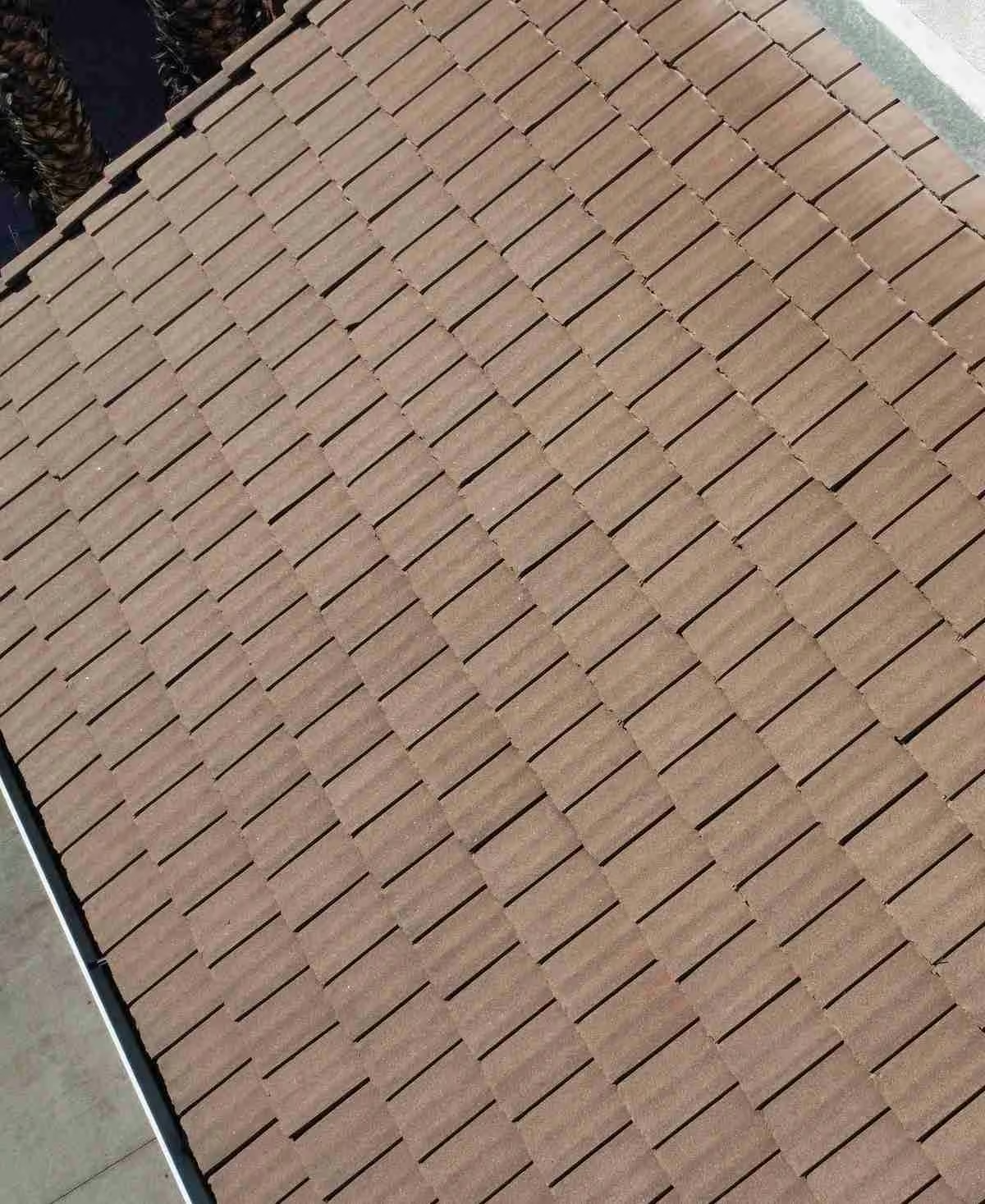
Tile roofs in Los Angeles often look steady for decades, even when the layers below need work. Owners and managers ask us how long a tile roof lasts. The honest answer has parts, because the tile, the underlayment and the flashings age on their own schedules.
This article explains what each layer does and why age alone rarely settles the question. It also covers what an inspection can show from the surface, and what it cannot.
What part of the roof is aging?
Tile, underlayment, decking and flashing age separately, so the real question is which part is wearing out.
A roof is an assembly, not a single product. The covering, the underlayment, the decking and the flashings each do a different job. Condition, slope and the rest of the assembly shape which repairs make sense.
Tiles
Clay and concrete tiles are the weather-facing layer, and industry guidance gives them a long expected life.
The Tile Roofing Industry Alliance says clay and concrete tile roofs can last 50 to 100 years or more. That is broad guidance about tile, not a finding about the roof on your building.
How the tiles were installed, plus weather, care and breakage, all shape how a roof holds up. The same group says most tile manufacturers offer warranties of 50 years or more. A warranty comes with its own product terms, so it is not a promise of service life.
Single tiles can crack or break over time, and a broken tile changes how water leaves the roof.
Underlayment
Underlayment is the water barrier under the tile, and it often wears out before the tile does.
Westlake Royal Roofing Solutions calls tile underlayment a weather guard and a second layer under the tile. That backup matters most when wind-driven rain or a broken tile gets water past the tile. So the tile alone does not keep all the water out.
Installation guidance from the same tile alliance says the underlayment often wears out first on a well-designed tile roof. That guide also points to sunlight, water flow or ponding, trapped moisture and handling. Each of those can age asphalt underlayment faster, and no year range fits every product.
That guide covers tile work in cold and snowy regions. It is not Los Angeles code advice, and it is not a local life table.
Flashing and roof details
Flashings handle the tough joints on a roof, and they can fail while the tile still looks fine.
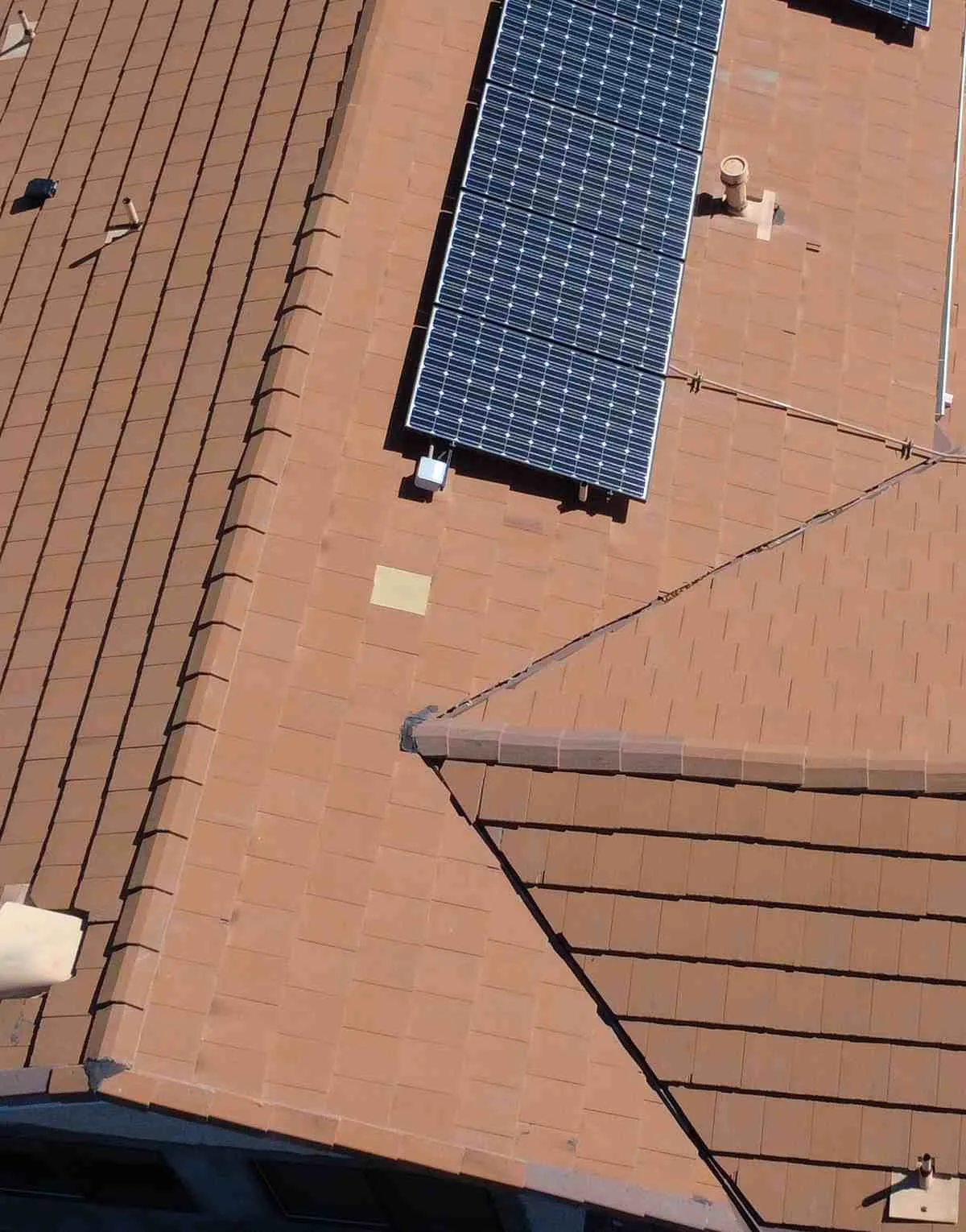
Walls, chimneys and pipes create joints on a roof, and flashing covers them. Vents, conduit and mounted equipment sit in the tile field. Each of those details adds an edge where water can find a path.
Tile, underlayment and flashing do not share one life span, so sound tile can sit over worn parts.
Qualified lifespan evidence
Published ranges give useful context, but they describe materials in general rather than the roof on your building.
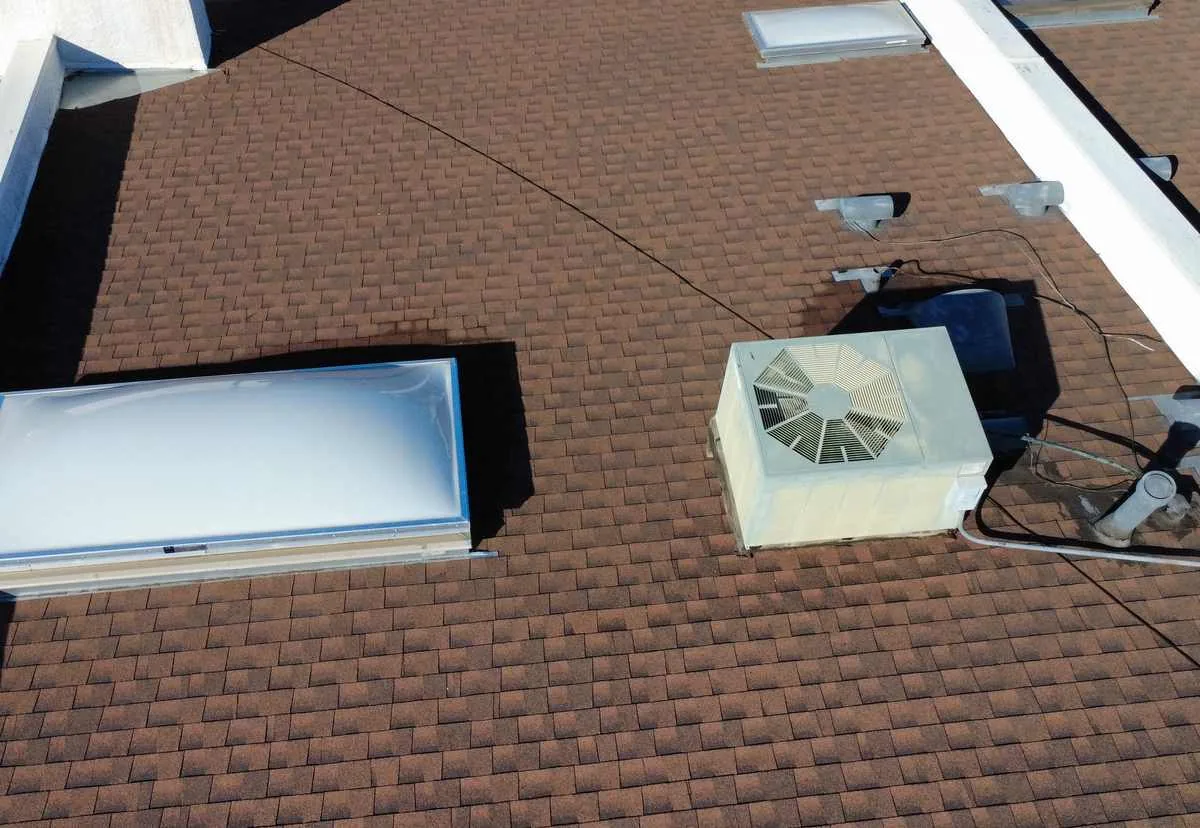
GAF publishes broad residential guidance ranges for common roof materials, shown in the table below. GAF says roof life varies with the material, the weather, how it was installed and the care it gets. Those numbers are GAF guidance, not a study of roofs in Los Angeles.
Age by itself does not tell you how many years a roof has left. GAF also says asphalt shingles have no single expiration date, since weather, moisture and sunlight all count. For any roof, age, damage, past repairs and current state all belong in one picture.
That is why a residential roof inspection looks at condition and visible detail, not at the age alone.
| Roof material | GAF guidance range |
|---|---|
| Three-tab asphalt shingles | 20 to 30 years |
| Architectural asphalt shingles | 30 to 50 years |
| Clay or concrete tile | 50 to 100 years |
| Flat roof assemblies | 15 to 30 years |
| Metal | 40 to 70 years |
| Slate | 60 to 150 years |
| Wood shingles | About 30 years with good care |
Southern California and LA application
The City of Los Angeles gives some tile work its own permit path, and nearby cities differ.
The City posts an express permit bulletin that lists some roofing items. Taking off the old tiles, adding new underlayment and resetting them is on that list. For that listed scope, the bulletin says cool-roof rules do not apply.
Other items on the list cover new roof coverings over old or new solid sheathing. Those items also set terms for covering weight and fire rating. Not every reroof job fits that list, and we cannot promise approval or timing.
For homes, the listed items call for CRRC-labeled cool-roof products when you replace more than half the roof. The same items send buildings that are not homes to separate Energy Code rules. Those rules belong to the City of Los Angeles, and other cities set their own rules.
For those buildings, a commercial roof inspection can record what we see.
A private inspection does not issue a City permit. A residential roof inspection can still record what we see before that work begins.
Booking a tile assessment
We can look at a tile roof and report what we find, without promising a number of remaining years.
A free estimate is not the same as a detailed inspection or a written report. Ask for the service you need, and we will describe what that visit includes.
We report what we see on the tile, on the visible details and in the areas we can reach. We do not guarantee remaining life, and we do not decide code questions for your project.
If tile is your main concern, start with our tile roof inspection service.