
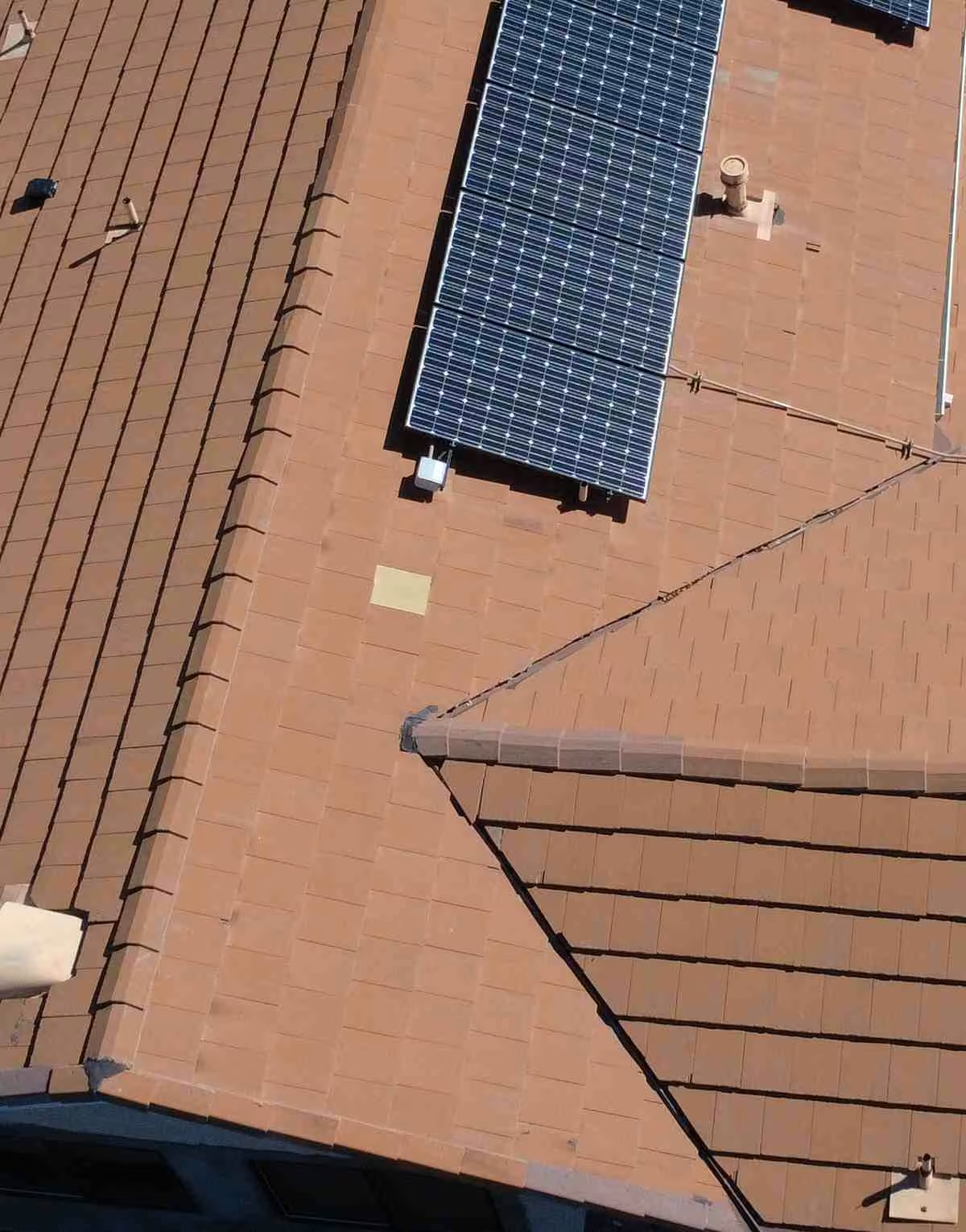
Industrial roofs cover a lot of ground, and a small leak can spread before anyone notices. Our team inspects industrial roofs across Los Angeles and explains the condition in plain terms. Call (323) 508-2486 to talk about your building and what you need.
Every warehouse, plant and shop runs on its own schedule, so roof access has to be planned. We look at the covering, the flashing, the drains and the joints between roof sections. You get a clear picture of the roof before you decide on any work.

What an industrial roof inspection covers
We check the current condition of the roof and point out what needs attention.
The first job is to learn what shape the roof is in right now. We walk the roof where footing is safe and study the surface, the seams and the flashing. Flashing seals the joints where the roof meets walls and other changes in the surface.
Owners book a visit for many reasons, and each one shapes what we look at. A property purchase, a suspected leak or a maintenance plan are common starting points. An insurer may also ask for an inspection, which is not the same as claim handling.
Our California license is CSLB #1112525, and you are welcome to check it before we arrive.
Roof access and site coordination
We plan access around gates, secured areas and equipment that stays in use.
Industrial sites have gates, secured zones and machines that keep running during the day. We ask how to reach the roof and whether someone needs to escort us. Ladder points, interior stairs and roof hatches all change how the visit is set up.
Some sections may be off limits while a line is running, and we plan around that. If an area cannot be reached safely that day, we say so instead of guessing. Safe footing and clear walking paths matter on any large roof.
Many industrial buildings have low-slope surfaces, and our flat roof inspection page covers that work in more detail.
We take industrial calls around the city, including Brentwood near the 90049 area. West Los Angeles sits near 90025, and Palms is tied to the 90034 area. We work with the parts of these areas that fall inside Los Angeles city limits.
Postal areas and neighborhood lines do not match up exactly, so we confirm the address first. Roof systems also differ from one building to the next on the same street.
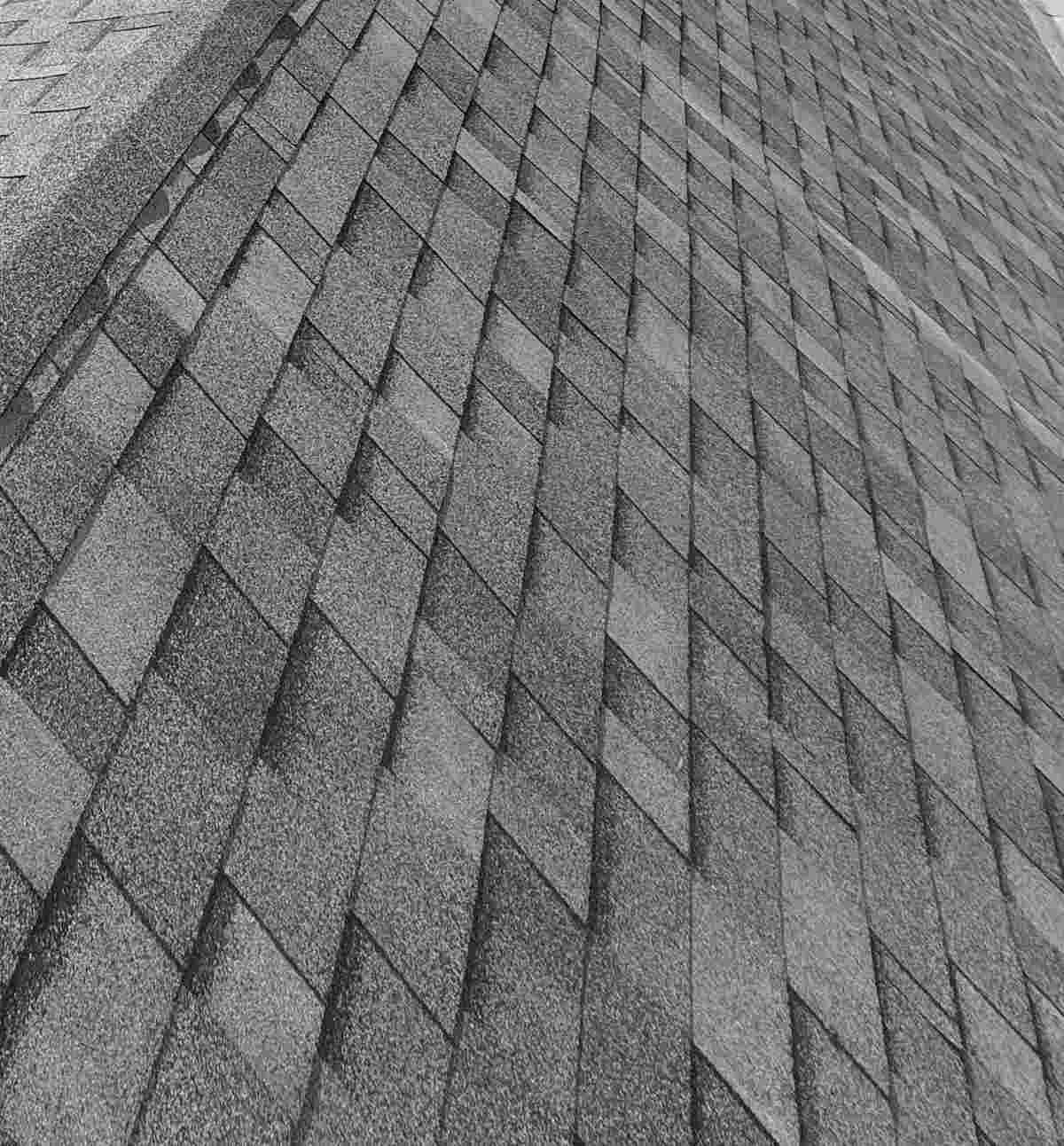
Checking a large roof area
On a wide roof we watch drainage, seams, transitions and the areas around equipment.
Water can sit on a wide roof long after the rain stops. We look at drains, scuppers and low spots where water tends to pond. Open seams, lifted edges and damaged surfacing get noted as we go.
Curbs, vents and equipment bases are checked where the covering turns up to meet them. Where one roof section steps up to another, the flashing gets a closer look. Soft areas underfoot can point to trouble in the decking below the covering.
Drainage paths change when equipment is added, so we note where water is forced to travel. Debris around a drain is an easy thing to clear before the next storm.
Covering type matters, since single-ply membranes such as TPO age differently than older built-up roofs. Metal panel roofs raise their own seam and fastener questions, so our metal roof inspection page goes further.
- Drains, scuppers and low spots that hold water
- Seams, laps and edge metal across the open field
- Flashing at walls, curbs and changes in roof height
- Bases and supports for rooftop units and conduit
- Soft spots that suggest damage under the covering
Putting findings in writing for facility planning
We sort what we found so your team can plan repairs in a sensible order.
Facility teams plan work in budget cycles, so a plain list of issues helps. We group findings by what needs attention soon and what can wait. Our notes stay with what we could see and reach on the roof.
Photos and written notes give you something to compare against later. They also help when several people share the decision. If you need the findings written up, our roof inspection reports page explains what is available.
Every roof is different, so we describe the building in front of us. Findings from one site do not carry over to another.
Common questions
What does an industrial roof inspection include?
We look at the covering, the flashing, the drains and the joints between roof sections. We cover the areas we can reach safely on the day of the visit. Then we explain the condition and what needs attention.
Is a free estimate the same as a detailed inspection?
They are not the same thing. A free estimate is a quote for work you are thinking about. A detailed inspection and a written report are separate from that offer.
Can an insurer ask for a roof inspection?
Yes, some owners call us because an insurer asked for an inspection. That request is not the same as handling an insurance claim.